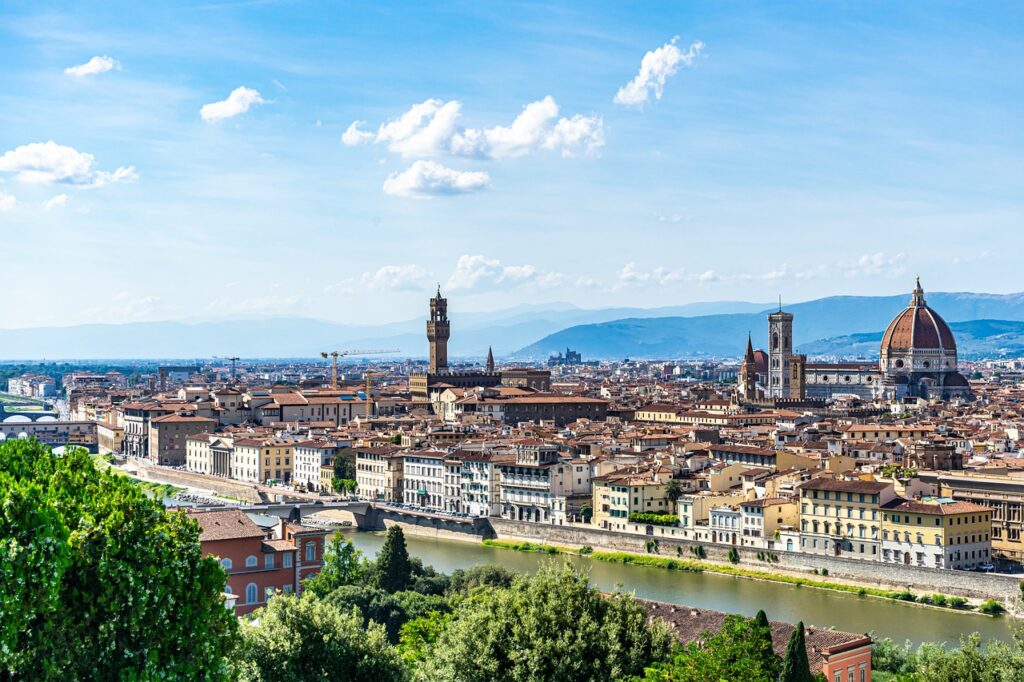





Introduction: When to Visit Vienna — Balancing Culture and Outdoor Life
Vienna, the imperial capital on the Danube, blends grand architecture with wide green spaces and a buzzing cultural scene. Picking the best time to visit depends on what you want: museums and palaces, park strolls, outdoor concerts, food markets or seasonal festivals. This seasonal comparison guide will help you plan a balanced stay, weighing the pros and cons of each season for cultural activities (museums, opera, palaces, galleries) and outdoor leisure (walks, cycling, swimming on the Donauinsel, open-air markets).
Vienna offers very different experiences depending on the month. In spring, imperial gardens come back to life, cafés reopen their terraces and museums pick up pace after winter. Summer turns the city into a playground of festivals and open-air events, with outdoor cinemas and concerts in spots like Rathausplatz or the Donauinsel. Autumn is arguably the most photogenic season: warm colors in Schönbrunn Park (Schlosspark, Schönbrunner Schloßstraße 47, 1130 Wien) and the Belvedere (Prinz-Eugen-Straße 27, 1030 Wien) make idyllic backdrops for walkers, and crowds thin out. Winter brings the charm of Christmas markets, classical concerts in churches or at the Vienna State Opera (Wiener Staatsoper, Opernring 2, 1010 Wien), and crisp walks under often clear, cold skies.
This detailed guide compares the seasons across practical criteria: typical weather and comfort for outdoor activities, tourist crowds and queues at major sites, cultural programming (performances, exhibitions, festivals), average prices (accommodation, major tickets), and local tips to make the most of your days. For each season I’ll name specific places with addresses, typical hours and prices in euros to make your planning concrete. You’ll also find practical advice — when to book, what gear to bring, how to avoid peak times, and which day trips outside the city suit each season best.
Finally, this guide includes immersive recommendations: which walks to favor (for example, from the historic Ring to the Prater), where to taste an authentic Sachertorte (Hotel Sacher Wien, Philharmoniker Str. 4, 1010 Wien), or which urban beaches on the Donauinsel to visit in summer. Whether you’re a history buff and concertgoer, a photographer chasing the ideal light, a cyclist or a traveler seeking calm, this seasonal comparison will help you choose the best time to get the most out of Vienna — a city that’s unmistakably European and unmistakably green.
Spring in Vienna (March to May) — Cultural Bloom and Gentle Walks
In spring Vienna wakes up after the cold months: parks bloom, café terraces become inviting again, and cultural programming picks up. It’s an excellent time to combine palace visits with outdoor walks without the summer crowds. Weather: average temps 8–18 °C, occasional rain. Comfort: light jackets, waterproof shoes and a scarf for cool mornings.
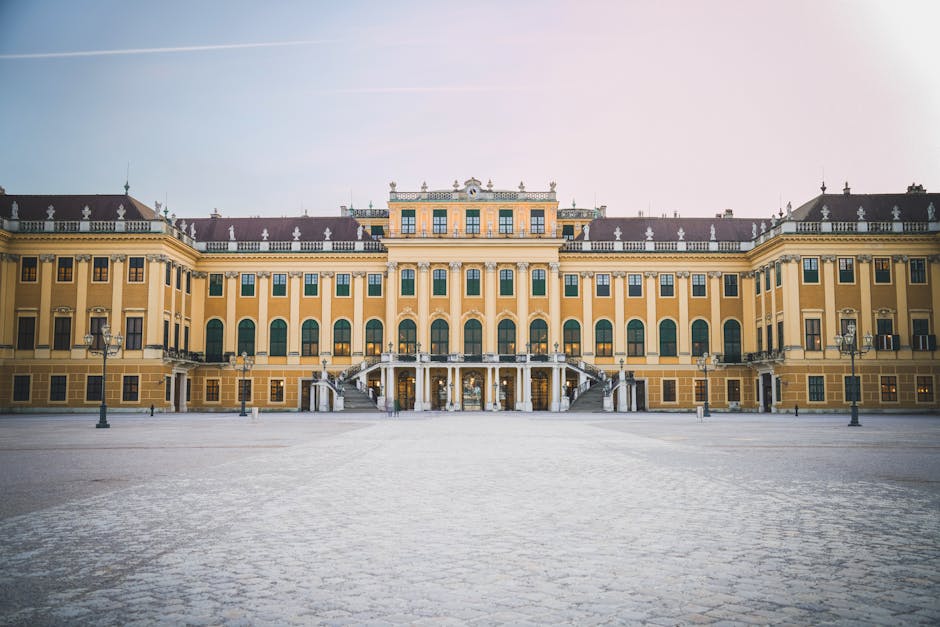
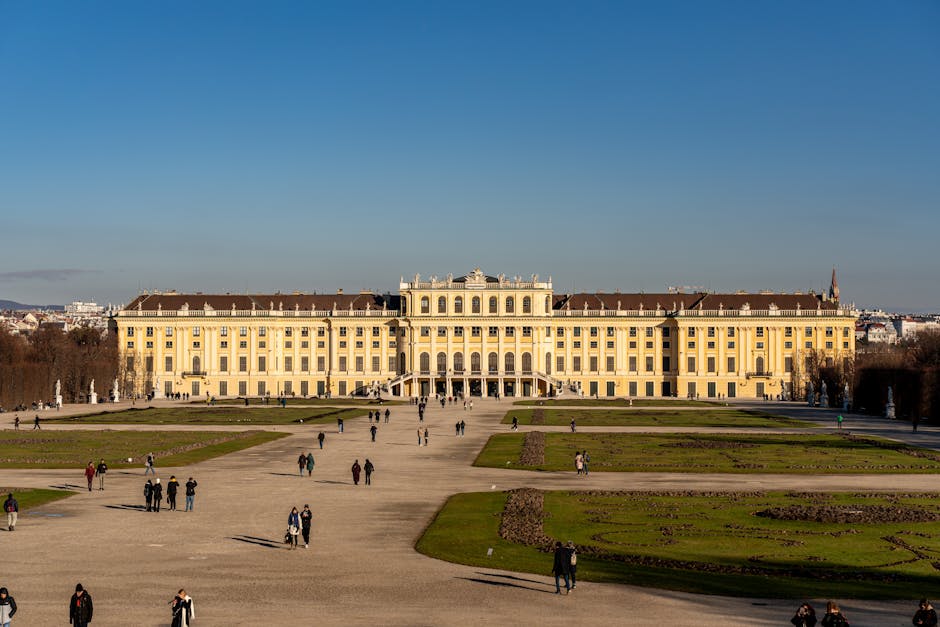
Main cultural activities: visit Schloss Schönbrunn (Schönbrunner Schloßstraße 47, 1130 Wien). Hours: generally open daily from 08:30 to 17:30 (high season); check exact times for your dates. Price: Grand Tour (full tour) about €24 for an adult (indicative). Immersive description: wander the baroque gardens, climb up to the Gloriette for panoramic views and breathe in the scent of tulips and magnolias in the imperial park.
Museums and exhibitions: the Belvedere (Prinz-Eugen-Straße 27, 1030 Wien) reopens with new shows. Hours: typically 10:00–18:00, some sections closed on Mondays. Price: Upper Belvedere ticket around €16. The MuseumsQuartier (Museumsplatz 1, 1070 Wien) hosts the Leopold Museum (ticket about €15–€16) and the MUMOK (Museum of Modern Art, tickets roughly €12–€14), perfect if the weather is changeable.
Walks and outdoor activities: the Prater (Riesenradplatz 2, 1020 Wien) is pleasant for long strolls. The Wiener Riesenrad (Giant Ferris Wheel) offers a city view; price about €13.50, hours 10:00–22:00 depending on season. The Naschmarkt (Naschmarkt, 1060 Wien) is perfect for a quick lunch: open Monday to Saturday (hours vary, most stalls open around 09:00 and close between 18:00 and 20:00). Tip: visit early to avoid crowds, and sample Austrian specialties and fresh produce stands.
Local tips: spring is great for cycling along the Donaukanal — bike lanes are clear and riverside cafés reopen gradually. Book palace guided tours at least 2–3 weeks in advance if you want morning slots. For concerts, watch the spring programming at the Musikverein (Musikvereinsplatz 1, 1010 Wien) and the Wiener Konzerthaus (Lothringerstraße 20, 1030 Wien) — spring often features chamber music and symphonic series. Bring waterproof shoes, and if you’re a photographer, plan sessions around sunset to capture warm light on the Ringstrasse and in the imperial gardens.
Summer in Vienna (June to August) — Festivals, Swimming and Terrace Life
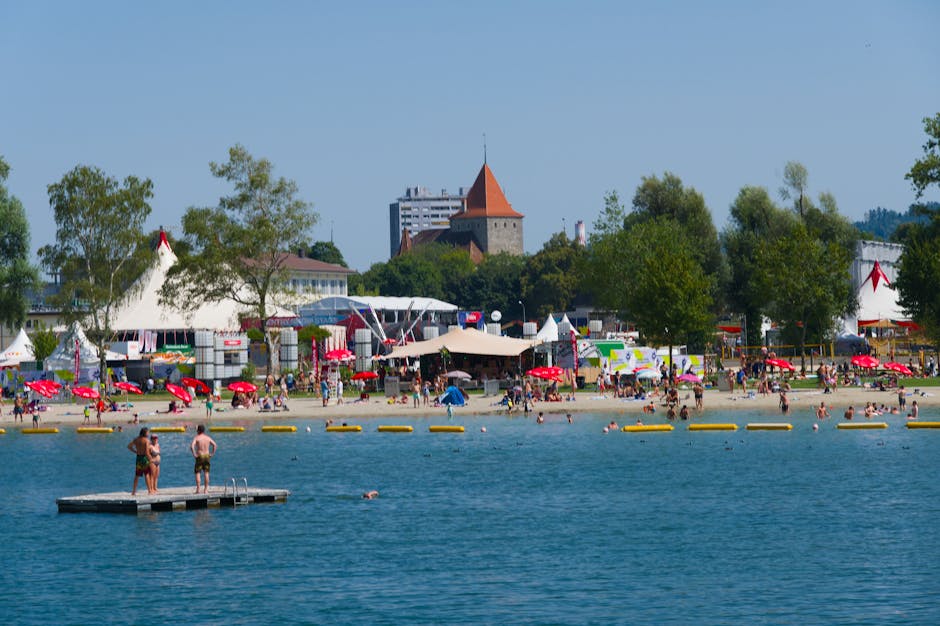
Summer in Vienna is the liveliest season: open-air festivals, summer cinemas, free concerts and buzzing terraces. Weather: average temps 20–30 °C, sometimes hotter in July and August. Comfort: light clothing, sunscreen, water bottle. It’s the best time to enjoy the Donauinsel (Inselstraße, 1220 Wien), a long strip dedicated to water sports and festivals (Donauinselfest in early July is one of Europe’s largest free festivals).
Outdoor activities: swimming and water sports on the Donauinsel are very popular; areas are freely accessible during the day. Urban beaches and bike paths are lively. For a quieter moment, head to Stadtpark (Parkring, 1010 Wien) to admire the Johann Strauss statue and relax on the shaded lawns.
Culture and evening life: summer features concerts on Rathausplatz (Friedrich-Schmidt-Platz 1, 1010 Wien), like the Film Festival or open-air opera nights. Ticket prices vary: for the Opera (Wiener Staatsoper, Opernring 2), standing tickets can be as cheap as €3–€4, but you need to arrive early and sometimes book online when possible. Standard seated tickets range from about €25 to over €200 depending on category.
Museums and visits: even in summer, aim for early-morning visits to the Kunsthistorisches Museum (Maria-Theresien-Platz, 1010 Wien): hours usually 10:00–18:00, tickets about €18–€20. The Belvedere and Schloss Schönbrunn stay busy; book skip-the-line tickets online to avoid queuing in the heat.
Local tips: favor morning visits (09:00–11:30) and late-afternoon activities (after 17:00) when the light is soft and temperatures cooler. Stay hydrated and look for air-conditioned cafés to take a break. For an authentic Viennese summer, reserve a terrace table at a heuriger (wine tavern) in Grinzing (Grinzinger Straße, 1190 Wien) or at Heuriger Wieninger (various locations) to sip Grüner Veltliner with local dishes. Check late-night public transport schedules: Wiener Linien runs extensively in summer, but major events can require alternative routes.
Autumn and Winter (September to February) — Golden Photos and Festive Markets
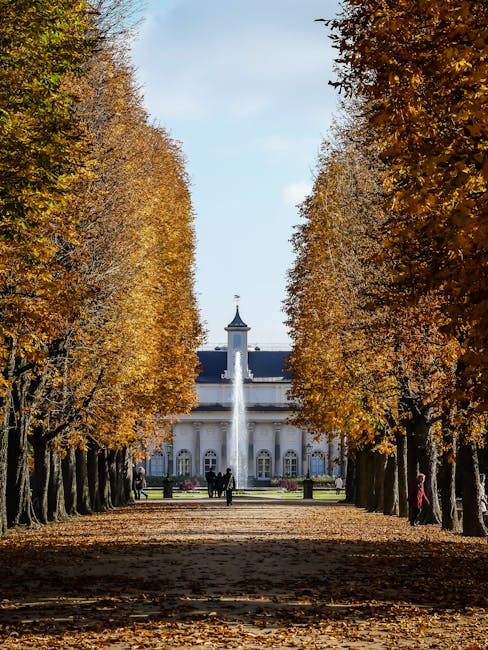
Autumn (September–November) and winter (December–February) give Vienna two very distinct moods. Autumn brings warm colors, perfect for photographers and for park walks like Schönbrunn Schlosspark and the Belvedere Garden. Autumn weather: 5–18 °C, sometimes misty in the mornings. Winter brings cold, occasional snow, but also popular Christmas markets and a rich music calendar.
Autumn: it’s an ideal time to visit the Belvedere (Prinz-Eugen-Straße 27, 1030 Wien) and Stadtpark, admire fall foliage and enjoy temporary exhibitions at museums. Hours: museums typically 10:00–18:00; indicative ticket prices: Belvedere €16, Leopold Museum €15. Pleasant daytime temperatures make neighborhood walks (Spittelberg, the narrow cobbled-street quarter) enjoyable.
Winter: the highlight is the series of Christmas markets (Christkindlmarkt). The most famous is in front of the City Hall, Vienna Christmas Market at Rathausplatz (Friedrich-Schmidt-Platz 1, 1010 Wien), usually open from mid-November to the end of December, hours 10:00–21:30. Free entry, with paid stalls for food and crafts (hot dishes around €4–€12, mulled wine about €3–€5). There are many classical concerts: the Wiener Musikverein (Musikvereinsplatz 1) and the Wiener Staatsoper offer intensive programs. Ticket prices vary from €10 for some events to over €200 for major performances.
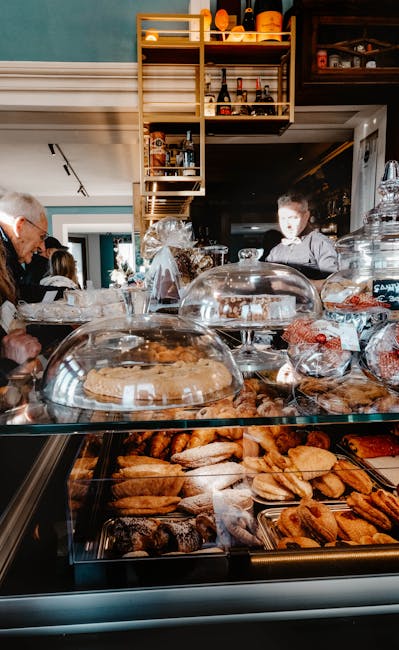
Indoor visits: winter is perfect for museums and historic cafés. Café Central (Herrengasse 14, 1010 Wien) is an iconic spot for a break; hours usually 08:00–23:00, price for coffee and a pastry around €8–€12. The Kunsthistorisches Museum and the Naturhistorisches Museum (Maria-Theresien-Platz, 1010 Wien) can easily fill a day indoors with world-class collections.
Local tips: in autumn, book popular restaurants and evening tours in advance; golden evening light is brief, so plan photo sessions around 16:00–18:30. In winter, dress in layers: warm coat, hat, gloves and shoes with good grip. Take advantage of nearby thermal baths (Therme Wien, Kurbadstraße 14, 1100 Wien; hours and prices vary, entry from around €18–€25) to warm up. If you travel in December, book accommodation and tickets months ahead: demand rises sharply because of Christmas markets and seasonal concerts.
Practical Tips and Recommendations Based on Your Priorities
The best season really depends on your priorities. Here’s a practical summary and concrete recommendations:
- For intense culture (museums, opera, exhibitions): spring and autumn. Book tickets for the Wiener Staatsoper (Opernring 2, 1010 Wien) and Musikverein (Musikvereinsplatz 1) several weeks in advance. Indicative prices for renowned concerts: €30–€120.
- For outdoor life, swimming and festivals: summer. Donauinselfest is free in early July; Donauinsel (Inselstraße, 1220 Wien) is open to the public. Rent a bike via Citybike Wien or from private rental services (daily rates ≈ €10–€20).
- For photography and quiet walks: autumn, for the colors. October mornings often offer golden light and fewer crowds.
- For festive markets and a magical atmosphere: December for the Christmas markets. Book a hotel near the city center (Innere Stadt) to be close to the markets; room prices during the Christmas high season can rise by 20–50%.
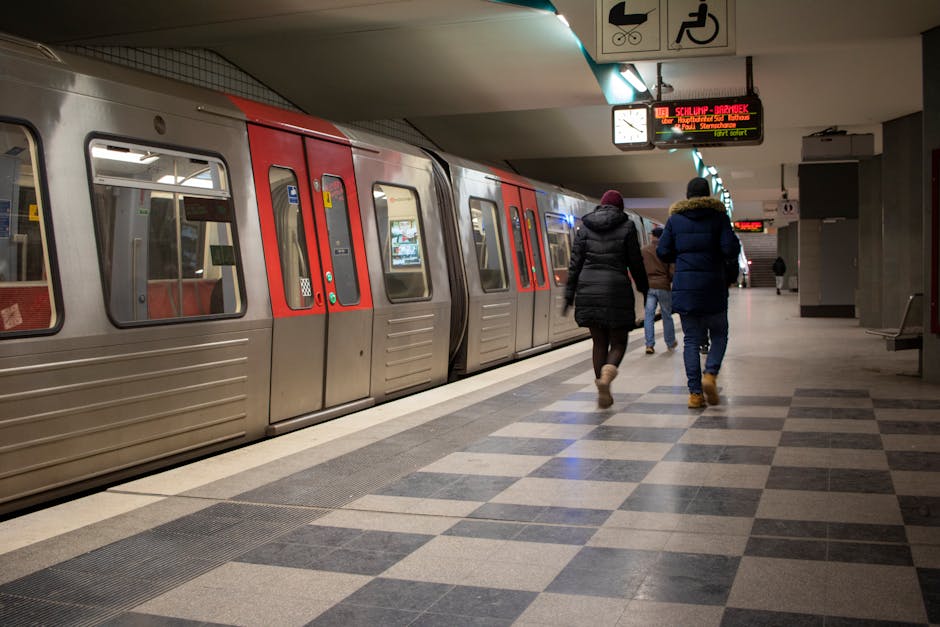
Transport and useful fares: the Wiener Linien network (U-Bahn, tram and bus) is efficient. Lines U1, U2, U3, U4 serve the main sites; a standard single ticket costs about €2.60, 24h ticket ≈ €8, 48h ≈ €14. Citybike and rental services add flexibility in warm seasons.
Booking and budgets: for top museums (Schönbrunn, Belvedere, Kunsthistorisches) and concerts, book online to avoid queues. Indicative daily budget (visits, meals, transport): budget ≈ €60–€90, comfortable ≈ €120–€200, luxury > €250.
Final tips: always check up-to-date opening hours and closing days (some museums close one day a week). Pack a small weather kit (folding umbrella, mid-layer) to handle variations, especially in spring and autumn. And learn a few polite German words (“Guten Tag”, “Danke”): Viennese people appreciate courtesy, which will make interactions smoother in traditional places like heurigers or small craft shops.
Conclusion
Vienna is a year-round destination, but each season reveals different facets. Spring charms with blooming gardens and revived terraces, ideal for combining palace visits (Schloss Schönbrunn, Schönbrunner Schloßstraße 47) with peaceful walks. Summer is vibrant: free festivals, swimming on the Donauinsel (Inselstraße, 1220 Wien) and long terrace evenings. Autumn brings light that’s especially flattering for photographers and those who enjoy wandering through golden settings, while winter unveils the fairy-tale side of Christmas markets, classical concerts and cozy cafés like Café Central (Herrengasse 14, 1010 Wien).
To choose the best time, set your priorities: do you want to avoid crowds and enjoy museums, be at the center of terrace life and festivals, or experience winter markets and concerts? Book ahead for busy periods (summer and Christmas), check current schedules and prices online before you go (the prices shown here are indicative), and pack clothing suited to changing conditions. Above all, leave room for the unexpected: losing an hour wandering Spittelberg’s alleys, sipping coffee in a historic café, or pausing by the Danube can often become the best part of a trip to Vienna.
Whatever season you pick, Vienna will welcome you with its outstanding cultural heritage, well-kept green spaces and a discreet but genuine hospitality. Plan smart, book the must-see visits and give yourself time to wander — the city will reveal itself step by step, in tune with the seasons and your appetite for discovery.