





Introduction — Vienna Up Close: Markets, Parks and Workshops Away from the Crowds
Vienna is often synonymous with grand historical boulevards, imperial palaces and classical concerts, but it also has an intimate, neighborhood-focused side that’s perfect for travelers who want to escape the tourist tide. This guide takes you off the beaten path into local markets, quiet parks and artisans’ studios where you can see, smell and touch everyday Viennese life. It’s aimed at curious visitors who prefer to understand the city through tastes, scents, textures and rhythms rather than through its landmark monuments.
Famous markets like the Naschmarkt get international attention, but every Vienna neighborhood has its own microcosm: fishmongers, cheesemongers, greengrocers, bakers and small world-food shops. The parks range from carefully arranged baroque grounds to natural areas ideal for a morning stroll, with thematic gardens that rarely make it into guidebooks. And the workshops — porcelain, ceramics, bookbinding, cooking — offer hands-on experiences: make, paint, taste and walk away with a handmade souvenir.
This guide is practical and informative: exact addresses, opening hours, price ranges and local tips to make the most of your visit (best times of day, crowd-avoidance tricks, products not to miss). The descriptions are immersive so you can almost feel the atmosphere: the crackle of a fresh bread crust, the aroma of coffee from a tiny shop, the hush of a tree-lined path at dawn. Whether you live here and want new discoveries or you’re a visitor seeking a more intimate Vienna, this guide gives you a practical, sensory itinerary to rediscover the Austrian capital away from the crowds.
Neighborhood Markets: Encounters, Flavors and Responsible Shopping
Vienna’s markets are social hubs and places for everyday shopping. Away from the central crowds, three markets perfectly showcase local diversity: Naschmarkt, Brunnenmarkt and Karmelitermarkt. Each has its own character, signature products and hours, so you can plan depending on whether you want breakfast, a picnic or ingredients to cook with.
Naschmarkt
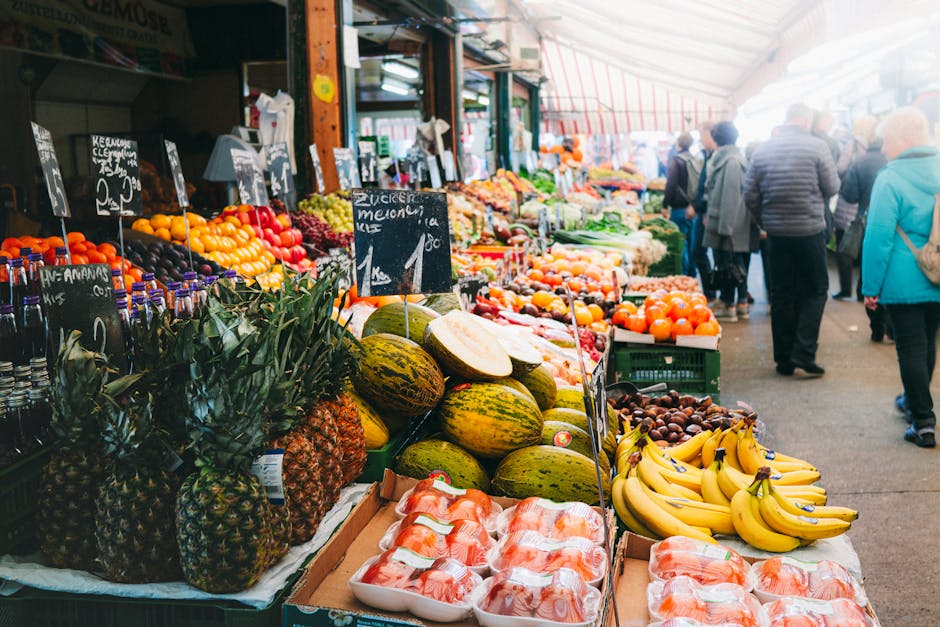
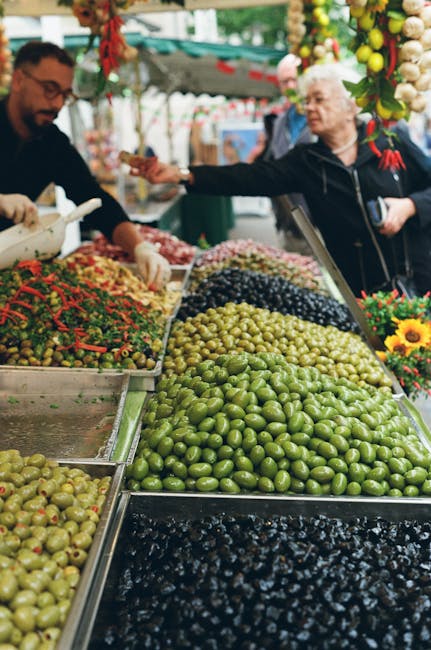
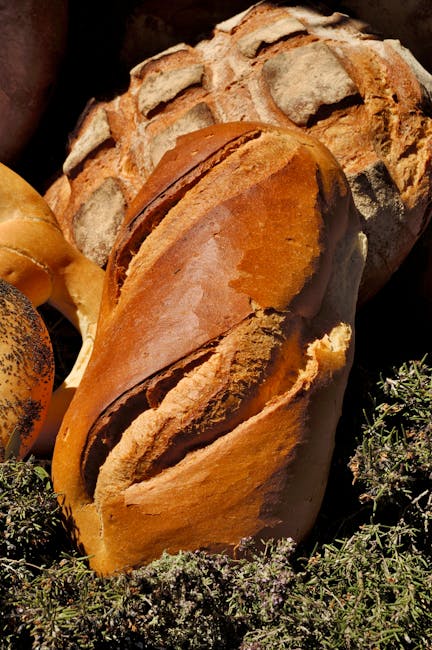
Address: Naschmarkt, between Karlsplatz and Kettenbrückengasse, 1060 Wien. Hours: Monday–Saturday 6:00–19:30 (most stalls closed on Sunday). Cost: free entry; sample price indicators: artisanal bread €3–6, a portion of mezzé €4–8, smoked salmon €25–40/kg depending on origin. Description: a long lane lined with colorful stalls, restaurants and specialty shops (spices, olives, cheeses). Cosmopolitan vibe—perfect for tasting specialties from around the world. Local tip: arrive before 10:00 to beat the lunch rush and to get the best cuts of cheese and fish.
Brunnenmarkt and Yppenplatz
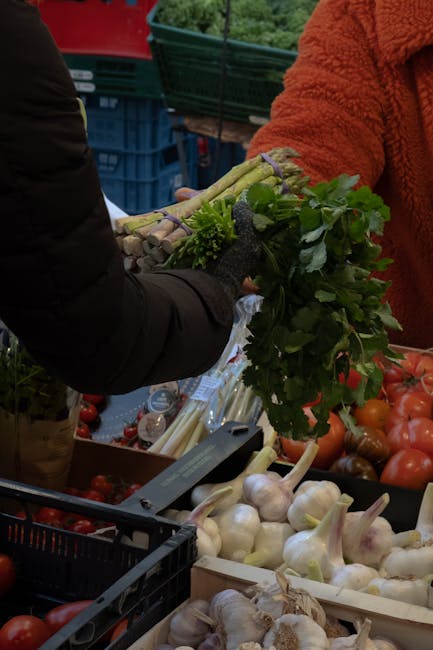
Address: Brunnengasse / Yppenplatz, 1160 Wien (Ottakring). Hours: Monday–Saturday 7:00–18:00; Yppenplatz is busiest in the morning and late afternoon. Cost: vegetables from around €1–2/kg depending on season, coffee on site €2–3. Description: a popular neighborhood market frequented by locals. Stalls selling exotic fruits, traditional Austrian bakeries and small Turkish and Balkan shops. The vibe is more local than touristy—ideal for watching everyday life, buying affordable produce and tasting authentic street food. Tip: wander the little streets around Yppenplatz for cafés and bars with a genuine neighborhood feel.
Karmelitermarkt
Address: Karmelitermarkt, Karmeliterplatz, 1020 Wien. Hours: Tuesday–Saturday 7:00–18:00; some stalls open very early. Cost: fresh eggs €3–5 per 10; artisanal cheeses €15–30/kg. Description: located in Leopoldstadt’s shopping district, this smaller market mixes organic producers and neighborhood cafés. On Sundays there’s a special market with local products and handicrafts (prices vary). Tip: take advantage of the small terraces for a relaxed brunch away from the tourist center.
Parks and Secret Gardens: Fresh Air and Quiet Walks
Vienna is a green city; beyond the wide lawns of the Prater, there are quiet, lesser-known parks that are perfect for reading, picnicking or watching locals take a break. Three stand out: Stadtpark, Türkenschanzpark and Augarten—each with its own scenery and atmosphere.
Stadtpark
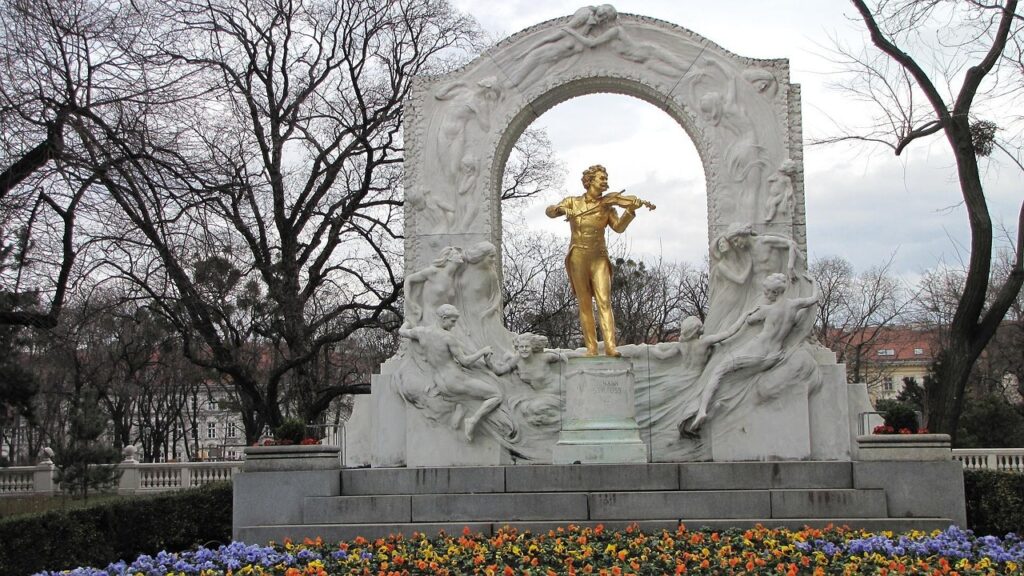
Address: Stadtpark, Parkring 1, 1010 Wien. Hours: generally open 24 hours (some areas lit at night). Cost: free entry. Description: famous for the gilded Johann Strauss statue, Stadtpark is a wooded oasis in the heart of the Ring. Winding paths, small bridges and flower beds; frequented by office workers, it’s perfect for a morning coffee on a bench. Tip: early morning light on the ponds and the city’s urban wildlife makes for great photos.
Türkenschanzpark
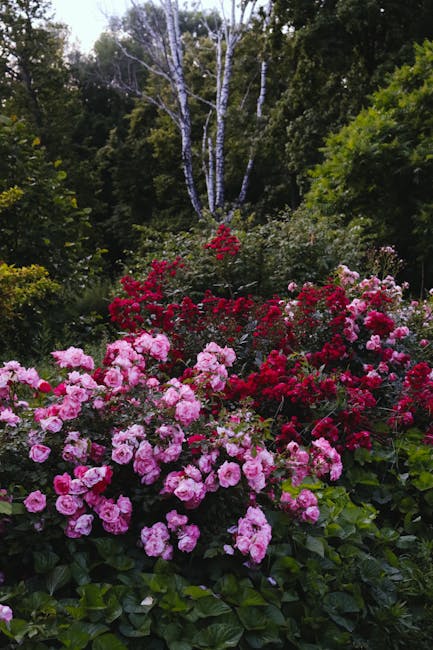
Address: Türkenschanzpark, Türkenschanzstraße, 1180 Wien. Hours: open to the public all day; occasional closures at dusk possible. Cost: free entry. Description: a spacious neighborhood park with man-made hills, small lakes and a well-kept rose garden. Popular with families and local joggers; calm and less frequented by tourists. Tips: find shaded spots for a summer picnic and in autumn enjoy the fiery colors of oaks and maples.
Augarten
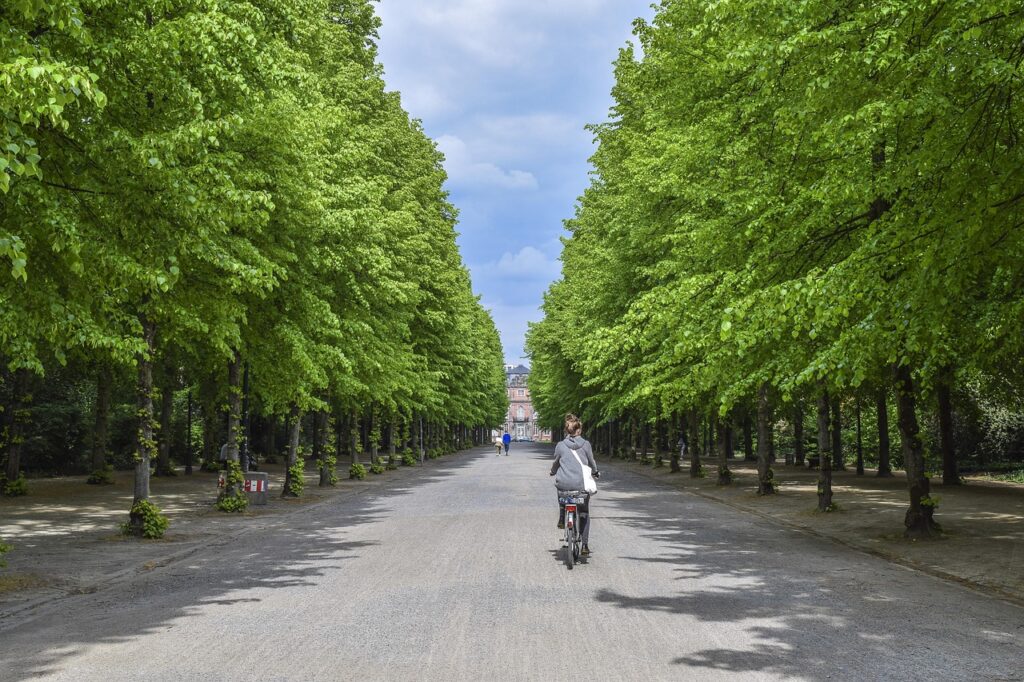
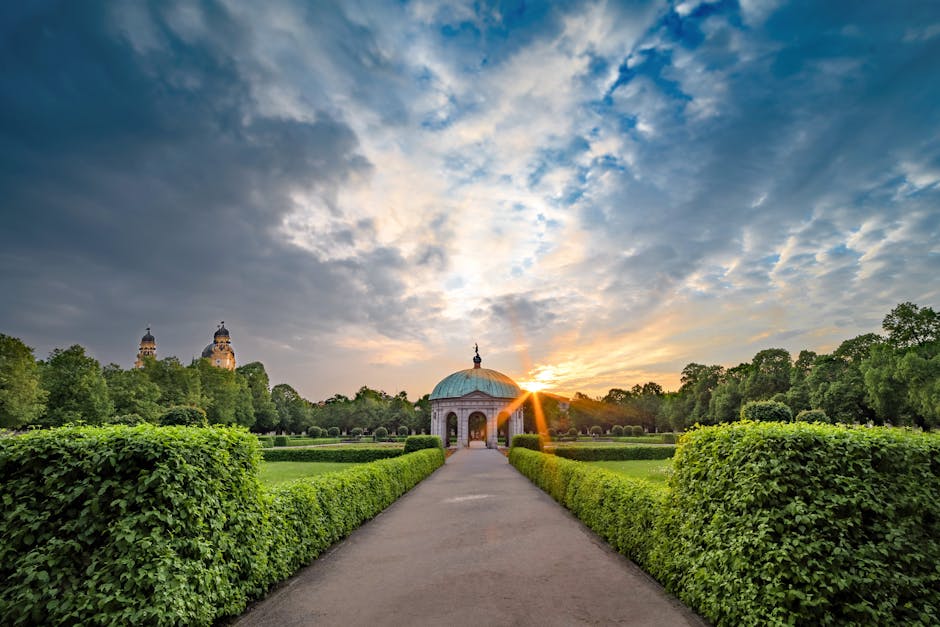
Address: Augarten, 1020 Wien. Hours: green spaces open 24/7; some parts (porcelain studio, museum) follow separate opening times. Cost: free park access. Description: a baroque park with symmetrical avenues, open lawns and areas reserved for classical music (occasional outdoor concerts). It’s an elegant, relaxed place for an afternoon read or a photo session. Tip: pair a visit to Augarten with a tour of the porcelain workshop located in the park (see workshops section).
Workshops and Craft Experiences: Hands, Materials and Handmade Souvenirs
Joining a workshop is a way to enter the private world of a craft. In Vienna, several places offer hands-on experiences—porcelain painting, salt-dough modeling, pastry or bookbinding workshops. These activities are great for groups, families or solo travelers looking for a sustainable, creative experience.
Augarten Porzellan — Workshop and Visit
Address: Augarten 1, 1020 Wien. Hours: shop and museum typically 10:00–17:00; guided tours and workshops by reservation (days vary). Cost: guided tour around €12–15; porcelain-painting workshop approximately €45–65 per person (materials included). Description: the historic Augarten manufactory offers studio tours and sessions where you paint porcelain pieces under the guidance of a master. The experience is immersive: the smell of glaze, the hum of kilns, the precise movements of the artisans. Tips: book at least a week in advance during peak season; choose a morning session if you prefer a quieter atmosphere.
Ceramics and Bookbinding Studios — Local Options
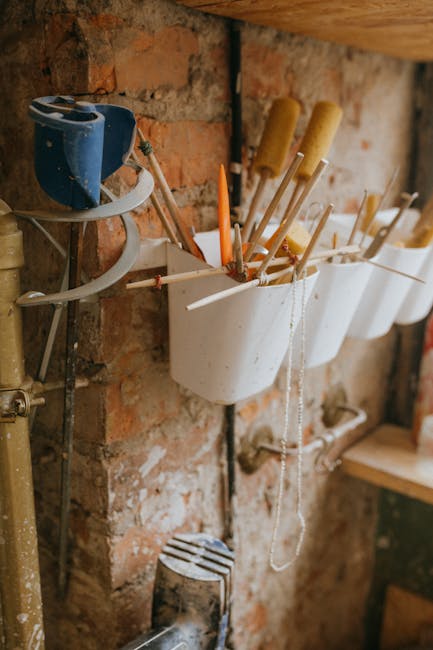
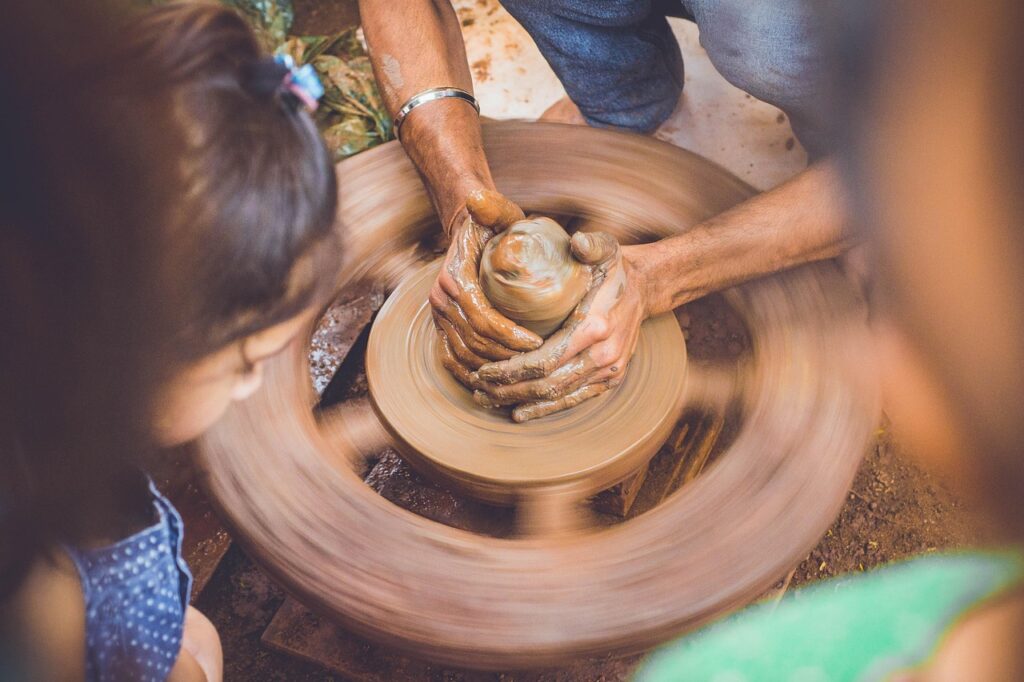
Description: a number of small studios and solo artists run ceramic and bookbinding classes in neighborhood workshops. Prices: introductory ceramics classes €30–50 for a 2–3 hour session (clay and firing sometimes extra), bookbinding workshops €25–45 depending on length. Location: often found in districts 7 through 20—check with local tourist offices or cultural cafés. Tip: prefer small-group workshops for personalized attention; bring a notebook to jot down techniques.
Cooking Workshops — Austrian and International Cuisine
Description: to discover local gastronomy in a different way, join a cooking class: schnitzel, apple strudel or Viennese pastries. Cost: cooking workshops €45–90 depending on duration and menu, often including tastings. Possible venues: small cooking schools in the 4th and 6th districts, or independent chefs’ studios. Tips: choose workshops that combine theory and hands-on practice, and ask whether they use local products (cheeses, meats, wines) to deepen the regional experience.
Cafés and Practical Tips: Where to Drink, Eat and Blend Into Local Life
Blending into Viennese life also means spending time in cafés and small shops where regulars read the paper or chat for hours. A few historic cafés and practical tips to help you make the most of your stay.
Café Sperl
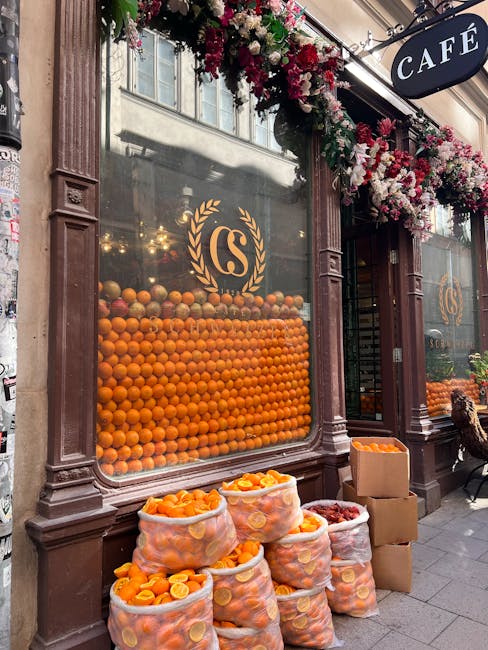
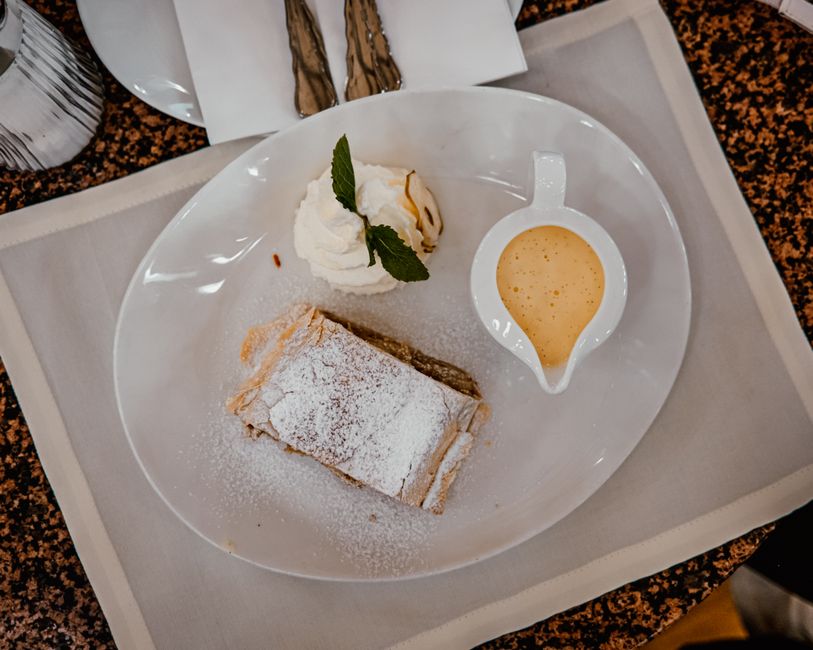
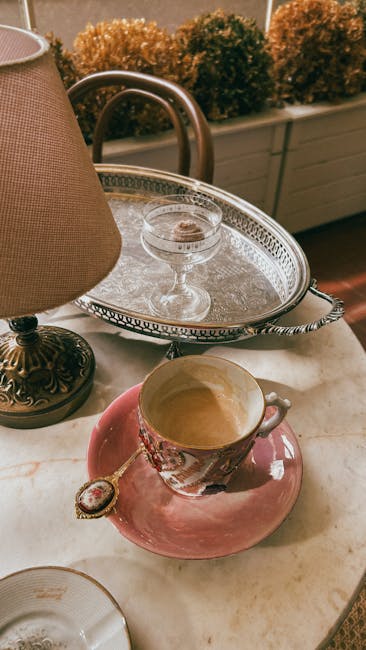
Address: Gumpendorfer Straße 11, 1060 Wien. Hours: typically 8:00–22:00; closed on some public holidays. Cost: coffee €2.50–4, breakfast €8–16. Description: a traditional Viennese café with period decor—turned wooden chairs, marble tables—and a crowd of students, musicians and retirees. Authentic atmosphere and less touristy than cafés in the center. Tip: ask for a window table to watch the street and treat yourself to a sachertorte or an apfelstrudel.
Café Hawelka
Address: Dorotheergasse 6, 1010 Wien. Hours: roughly 8:30–23:00 (seasonal variations). Cost: coffee €3–4, snacks €5–12. Description: a legendary literary café in Vienna, loved for its mellow atmosphere. Despite its fame, it retains an intimate feel—perfect for a pause after a wander in the historic center. Tip: visit outside peak tourist hours (morning or late afternoon).
Practical tips: Transport — pick up a 24/48/72-hour ticket (Wiener Linien) for trams, U-Bahn and buses (approx. €8.80/24h, €14.10/48h, €17.10/72h — check current rates at purchase). Best windows for market visits: 7:00–10:00 to avoid crowds; parks: early morning or late afternoon. Payment: many market stalls accept cash only for small purchases; plan on carrying €20–50 in cash for food and souvenirs. Respect: when you’re in a workshop, always ask before taking photos.
Conclusion — Why Choose an Up-Close Vienna
Choosing an up-close approach in Vienna means opting for a slower, more authentic experience: seeing the city at eye level with its residents, chatting with vendors, sitting on a park bench to watch local life or shaping a keepsake in a workshop. These moments, less spectacular than visiting a palace, are often richer emotionally and give you a deeper sense of the city’s rhythms. By exploring neighborhood markets, you discover not only fresh produce and global flavors but also communities woven together around stalls, conversations and shared hours. In the parks, you’ll sense how much Viennese people value green spaces—places for relaxation, sport and intergenerational encounters.
Workshops turn passive observation into active participation: you leave with an object that bears your mark and the story of an artisan. These experiences support the local economy and fair trade, and they’re often offered at reasonable prices—a genuine way to invest in a memory. Finally, an up-close approach encourages sustainable travel: you return more attentive, more curious and often more respectful of the place and its people.
To make the most of these suggestions, plan around opening hours (markets in the morning, workshops by reservation), carry a bit of cash for daily purchases and allow yourself the luxury of taking your time. When you get close to Vienna, it reveals a gentle way of life made of small gestures and shared spaces: the clink of cups, the smell of warm bread, an artisan’s precise movement—details that keep the city in your memory long after the trip ends.