





Introduction: Vienna All Year — Climate, Culture and Practical Overview
Vienna, Austria’s capital, is a city that reveals new faces with every season. Between imperial boulevards, baroque palaces, historic coffeehouses and leafy parks, each month brings its own mood, festivals and practical tips for travelers. This guide, « Vienna in 12 Months: Weather, Festivals & Seasonal Tips, » aims to be a usable roadmap no matter when you plan to visit: month-by-month weather expectations, must-see events, exact addresses, opening hours, indicative prices and local recommendations to help you get the most out of the Austrian capital.
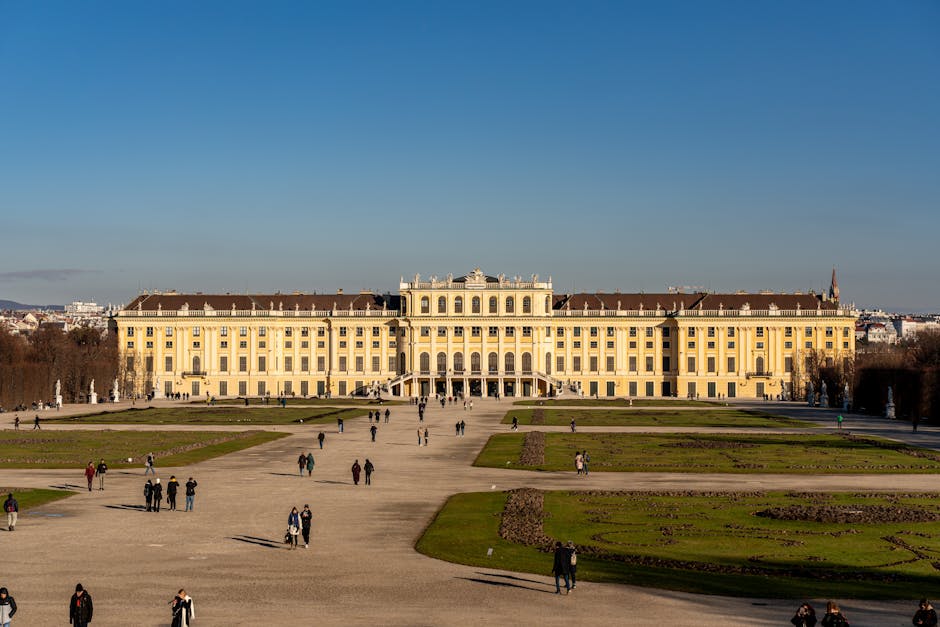
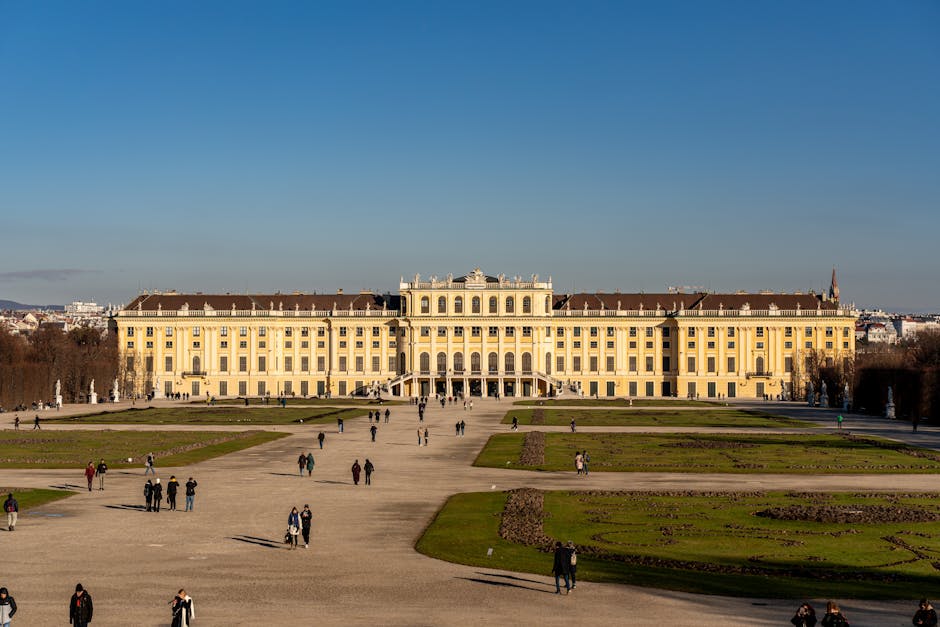
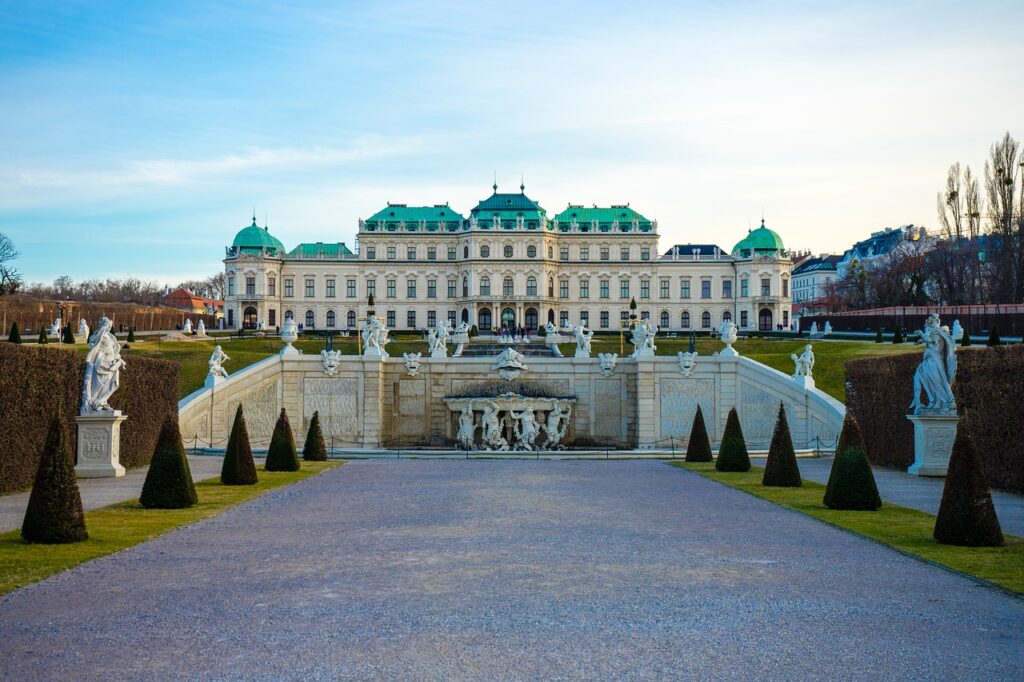
Set on the Danube basin, Vienna enjoys a temperate continental climate with cool winters and moderately warm summers. But beyond those generalities there are micro-seasons: spring brings fast bloom in the Schönbrunn Gardens (Schönbrunner Schloßstraße 47, 1130 Wien), summer is punctuated by outdoor festivals on Rathausplatz (Rathausplatz 1, 1010 Wien) or the Danube Island (Donauinsel), and autumn dresses the avenues around the Belvedere (Prinz-Eugen-Straße 27, 1030 Wien) in gold and red.
Throughout this guide you’ll find practical details: opening times (when fixed), entry prices in euros for some sites, and local tips — for example, the best times to avoid crowds at Schönbrunn Palace (arrive from 08:30) or how to catch a show at the Wiener Staatsoper (Opernring 2, 1010 Wien). Prices for cultural activities and transport vary by season: expect higher ticket prices for opera and concerts during ball season and New Year’s Eve, while the Christmas markets offer a lively, budget-friendly experience in December.
This isn’t just a weather chart: it’s a field manual. You’ll find seasonal packing tips — what to wear, how to book, which indoor activities to prioritize in bad weather, and how to make the most of free festivals. The sections below outline month-by-month expected weather, highlight key festivals (Wiener Festwochen, Donauinselfest, the Christkindlmarkt at Rathausplatz, Vienna City Marathon, Vienna Opera Ball), and give practical recommendations like Belvedere opening hours (10:00–18:00, Upper Belvedere ticket €16.00), typical admission for Schloss Schönbrunn (Grand Tour adult €25.90), and access times for St. Stephen’s Cathedral (Stephansplatz 3, 1010 Wien, open 06:00–22:00, southern tower climb about €6.50).
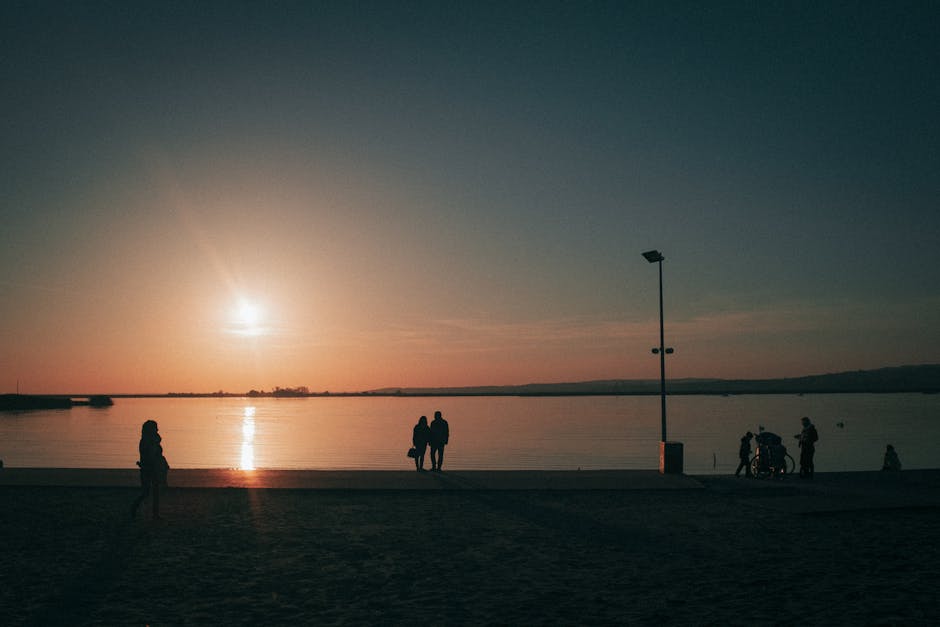
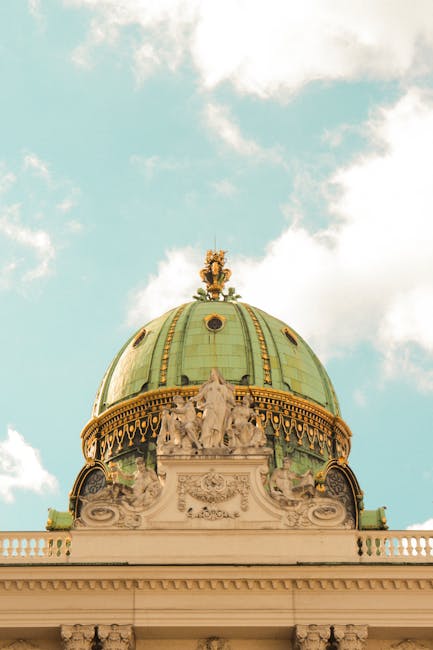
To enrich your visual planning, suggested image markers are sprinkled through the text: urban scenes, palace facades, Christmas market stalls and Danube panoramas. These cues are meant to inspire your photography setup and how you stage visits. Pack your coat, comfy walking shoes and a big appetite for culture: Vienna is a city to be lived in every season.
January to March: Winter, Concerts and Cozy Cafés
January is usually the coldest month in Vienna. Expect average temperatures between -1 °C and 4 °C, often with morning fog and occasional light snow. For travelers, it’s a perfect time to immerse yourself in music and the city’s concert traditions: the Vienna New Year’s Concert is world-famous, performed by the Vienna Philharmonic (Musikverein, Bösendorferstraße 12, 1010 Wien). Official tickets are expensive and sell out early, but many cafés and public venues broadcast the concert; in general, Musikverein concert tickets range from around €40 to €250 depending on seating.
Practical tip: in winter, favor historic cafés for a long afternoon. Café Central (Petersplatz 1, 1010 Wien) is open 08:00–23:00 and serves classic pastries; a coffee and a slice of Sachertorte will cost roughly €10–€15. Queues are shorter outside the main tourist season (January–February). The Wiener Staatsoper (Opernring 2, 1010 Wien) offers standing-room tickets (Stehplätze) from about €9; arrive early — the box office usually opens at 10:00 and last-minute tickets can sometimes be bought the morning of the performance.
February continues ball season (notably the Opera Ball when scheduled), and hotels can hike prices during these events — book months ahead. Days slowly lengthen: by late February parks like Stadtpark (Parkring, 1010 Wien) become pleasant for walks. For indoor culture, the Belvedere (Prinz-Eugen-Straße 27, 1030 Wien) is a great refuge: open 10:00–18:00, Upper Belvedere ticket €16.00.
March sees spring arriving toward the end of the month; weather is changeable (roughly 3 °C to 12 °C). It’s a good time to enjoy covered highlights like the Kunsthistorisches Museum (Maria-Theresien-Platz, 1010 Wien) — open 10:00–18:00, standard adult ticket around €18.00 — and to watch first blooms at Schönbrunn. In March, book concerts and guided tours in advance as demand rises with returning international visitors.
April to June: Spring, Marathons and Outdoor Festivals
April marks the city’s real wake-up: temperatures from about 7–18 °C, longer days and spectacular blooms in the imperial gardens. April is also when the Vienna City Marathon takes place (routes vary in April) — a major event that turns the streets into a big sporting party. Register in advance; the course winds past landmarks like the Ringstraße and the Prater (Praterstern, 1020 Wien).
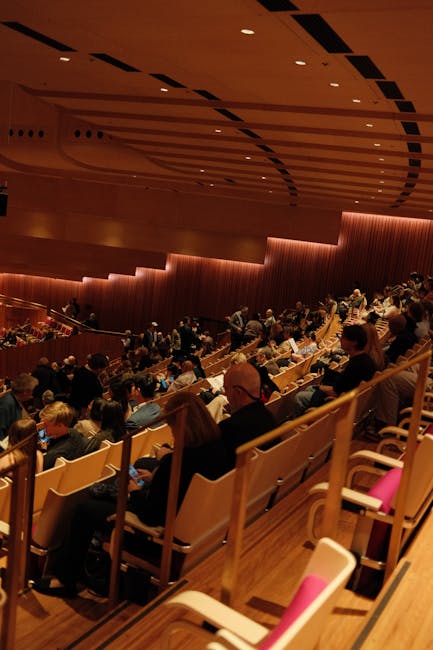
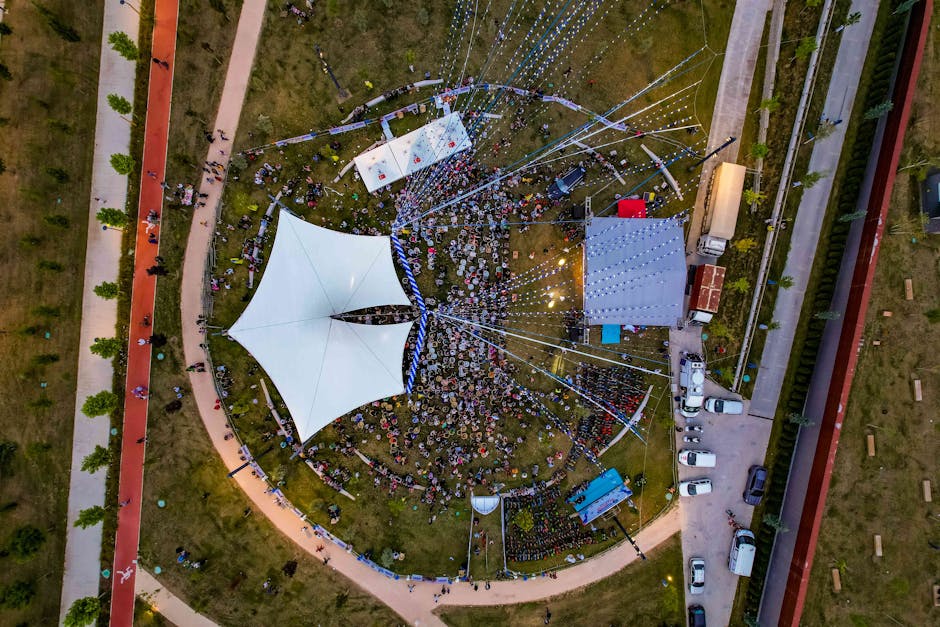
May and June are prime festival months: the Wiener Festwochen (a theatre, music and visual arts festival) usually runs in May–June with performances at the Burgtheater (Universitätsring 2, 1010 Wien) and other venues. The Donauinselfest (Danube Island Festival), free of charge, happens in June on Donauinsel and draws hundreds of thousands with music stages, food stalls and water activities.
May tends to be mild (10–20 °C), perfect for wandering the Belvedere and sampling outdoor bites at the Naschmarkt (Naschmarkt, 1060 Wien) — the food market is open daily, with the best stalls on Friday and Saturday mornings; a meal there ranges roughly €7–€20 depending on choices. Local tip: arrive early at the Naschmarkt to beat the crowds and try Austrian and international specialties.
June evenings are ideal for open-air concerts on Rathausplatz, where the Vienna Film Festival often hosts free screenings and concerts during the summer. If rain rolls in during spring, indoor alternatives like the Kunsthistorisches Museum (Maria-Theresien-Platz, 1010 Wien) and the MuseumsQuartier (Museumsplatz 1, 1070 Wien) offer varied exhibitions; the MuseumsQuartier’s opening hours typically run 10:00–19:00 depending on the institutions.
July to September: Cultural Summer, Terrace Cafés and Nighttime Festivals
Vienna’s summer is pleasantly warm: in July and August expect highs around 25–30 °C with comfortable nights. It’s peak tourist season — be ready for lines at Schloss Schönbrunn (Schönbrunner Schloßstraße 47, 1130 Wien). The Grand Tour (full imperial apartments visit) is a must; adult price is about €25.90 and typical opening times are 08:30–17:30 depending on the season. Book online in advance to skip the queues.
July brings highlights like the Vienna Jazz Festival (venues vary, including Rathausplatz) which attracts international artists; the Film Festival on Rathausplatz (June–August) offers free outdoor screenings and concerts at night. Cafés and heuriger (local wine taverns), especially in Grinzing (Cobenzlgasse, 1190 Wien), provide pleasant summer evenings — an heuriger evening with local wine and a cold platter typically costs around €15–€25 per person.
August and September mix heat with food festivals. The Prater keeps its rides running and offers a nostalgic view from the historic giant Ferris wheel (Wiener Riesenrad, Riesenradplatz 1, 1020 Wien): adult ticket for the Ferris wheel is about €12.00, generally open 10:00–23:30 in summer. To avoid crowds, do museum visits in the morning or catch the last entry slots of the day.
Summer practical tips: carry a reusable water bottle (public drinking fountains are available), wear light clothing and a hat, and plan indoor visits for the hottest hours. Consider a Vienna Card (Wiener Linien) for transport: 24h €17.10, 72h €29.90 — a good deal if you’ll use the U-Bahn, trams and buses a lot.
October to December: Autumn Colors, Markets and Festive Time
October brings deep autumn gold: the Prater and Stadtpark offer splendid walks as temperatures cool to between 5 °C and 15 °C. It’s also harvest season and heuriger still serve young wines. The Belvedere and Schloss Schönbrunn remain popular, but visitor numbers drop, making for calmer visits.
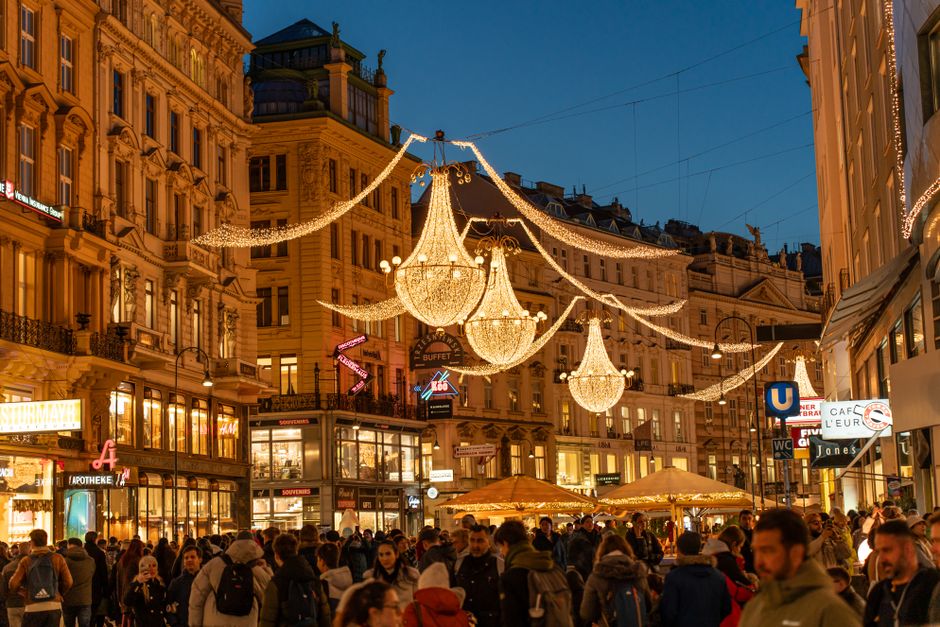
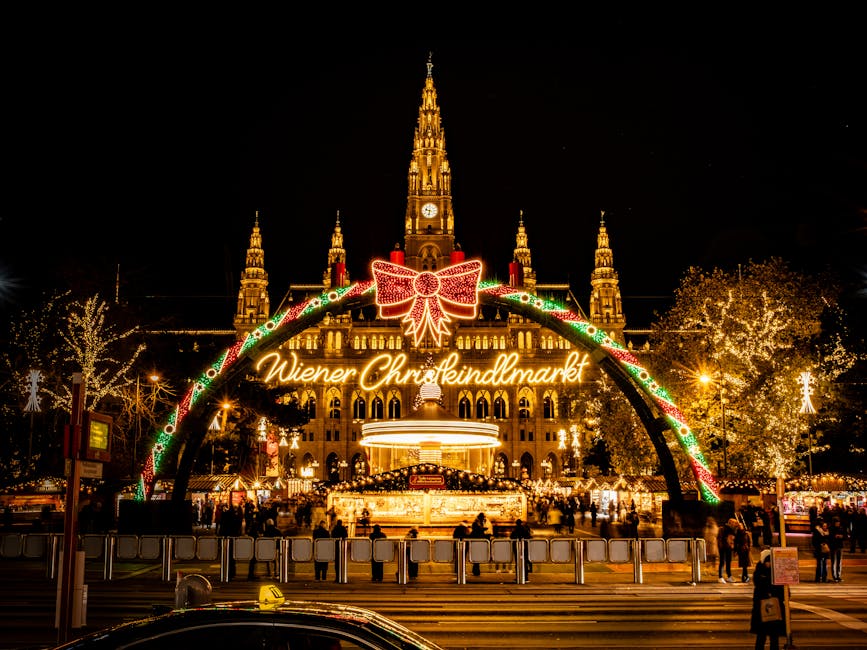
November gets colder (0–8 °C) and the city starts gearing up for Christmas markets. Markets set up gradually and peak in December with the Christkindlmarkt on Rathausplatz (Rathausplatz 1, 1010 Wien). The city hall Christmas market typically runs from late November to the end of December, hours 10:00–21:30, and entry is free. Expect stalls selling decorations, roasted chestnuts (Maroni) for about €4–€6 and mulled wine (Glühwein) around €3–€5.
December is one of the most magical times to visit Vienna: Christmas concerts, an ice rink on Rathausplatz and festive lights everywhere. Tickets for Christmas concerts at Karlskirche (Karlsplatz 1, 1040 Wien) range roughly €25–€70 depending on the performance. Tip: book accommodation and concert tickets months ahead for Advent weekends.
Winter practicalities: pack warm layers, waterproof and slip-resistant shoes; the city clears snow well but sidewalks can be slippery. Public transport runs normally during the holidays; for New Year’s Eve, allow extra time getting to the train station or airport as shuttles and trains can be crowded.
Practical Seasonal Tips and Year-Round Local Recommendations
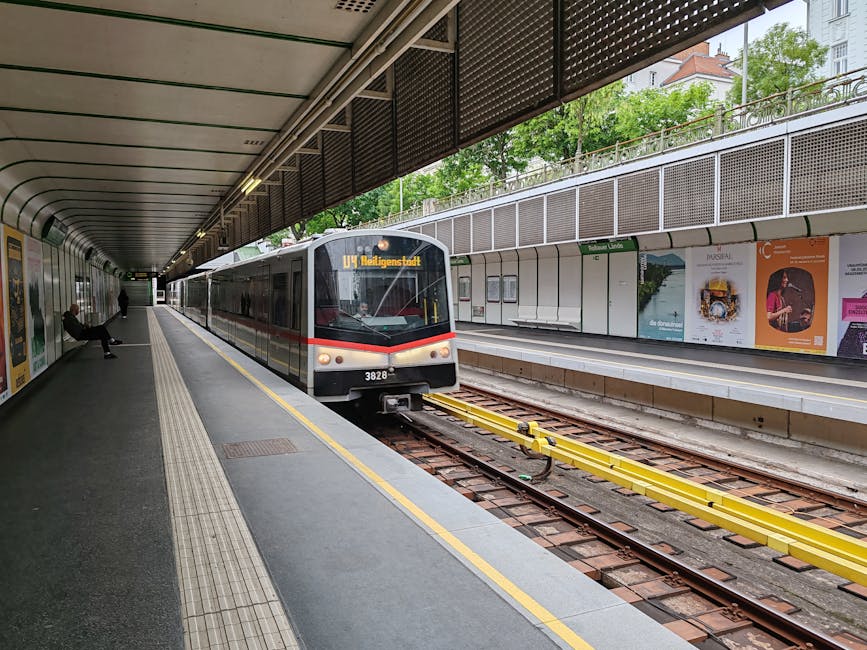
Transport: Vienna is served by an efficient U-Bahn (metro), tram and bus network run by Wiener Linien. Hours: the U-Bahn generally runs from 05:00 to 00:30 on weekdays, with extended night service on Fridays and Saturdays. Tickets: single ticket €2.50 (valid 1h); 10-ticket pack €24.00; Vienna Card for tourists 24h €17.10, 48h €25.50, 72h €29.90 (prices indicative). Buy at ÖBB counters, ticket machines or via the Wiener Linien app.
Safety and health: Vienna is a safe city. For emergencies call 112 for ambulance and fire, and 133 for police. Pharmacies (Apotheke) operate fixed hours; there are night and emergency services (Notdienst) — check the notices posted in pharmacies.
Money and budget: most shops accept cards, but some small market stalls and heuriger may prefer cash. A typical restaurant meal ranges from €12 to €35; a mid-range restaurant menu will cost around €18–€45 per person depending on drinks.
Bookings and tickets: for the Wiener Staatsoper (Opernring 2) the box office usually opens 10:00–18:00; for major exhibitions at the Kunsthistorisches Museum (Maria-Theresien-Platz, 1010 Wien) or the Belvedere (Prinz-Eugen-Straße 27) buy online to avoid queues. English-language guided tours of palaces and museums are common; budget €15–€30 for a group guided tour.
What to wear: in winter bring a heavy coat, gloves and hat; in spring and autumn pack a waterproof jacket and scarf; in summer wear light layers plus a jacket for evening outdoor concerts. Comfortable, waterproof shoes are essential for cobbled streets and park paths.
Suggested Itineraries by Season
Spring (April–June): morning at Schloss Schönbrunn (Schönbrunner Schloßstraße 47) — arrive at 08:30 to beat the crowds, take the Grand Tour (€25.90), lunch at the Naschmarkt (Naschmarkt, 1060 Wien) then spend the afternoon at the Belvedere (Prinz-Eugen-Straße 27, 1030 Wien) enjoying its flowering gardens. Evening: concert at the Musikverein (Bösendorferstraße 12).
Summer (July–August): morning at the Prater and a ride on the Wiener Riesenrad (€12.00), lunch at an heuriger in Grinzing (Cobenzlgasse, 1190 Wien), a relaxed afternoon on Donauinsel for swimming or festival fun, and an evening at the Film Festival on Rathausplatz (Rathausplatz 1).
Autumn/Winter (October–December): museum hopping (Kunsthistorisches Museum, Maria-Theresien-Platz), coffee and cakes at Café Central (Petersplatz 1), Christmas markets at Rathausplatz for atmosphere and handmade gifts, and a Christmas concert at Karlskirche (Karlsplatz 1) to end the day.
Conclusion: Plan Smart to Make the Most of Your Visit
Vienna adapts to the traveler’s rhythm: calm and musical in winter, blooming and lively in spring and summer, warm and twinkling during Advent. To get the most from your stay, align your interests (music, food, festivals) with the season you choose. Booking ahead for concerts at the Wiener Staatsoper (Opernring 2, 1010 Wien), the Musikverein (Bösendorferstraße 12, 1010 Wien) or guided tours of Schloss Schönbrunn (Schönbrunner Schloßstraße 47, 1130 Wien) will save you disappointment, especially during high season and ball or festival periods.
Keep the practical tips in mind: pack season-appropriate clothing, make use of the Wiener Linien network (tickets and Vienna Card), and prefer online reservations for museums and concerts. Street markets and heuriger offer authentic local experiences at lower cost, while grand cultural institutions demand a bigger budget but deliver unforgettable moments — the Belvedere (Prinz-Eugen-Straße 27) and the Kunsthistorisches Museum (Maria-Theresien-Platz) are prime examples.
Finally, leave time for happy surprises: a pastry in a historic café, a sunset stroll along the Danube, or a small, impromptu concert in a baroque church. Vienna rewards slow wandering; plan around the weather and festivals and you’ll head home with lasting musical, culinary and visual memories.