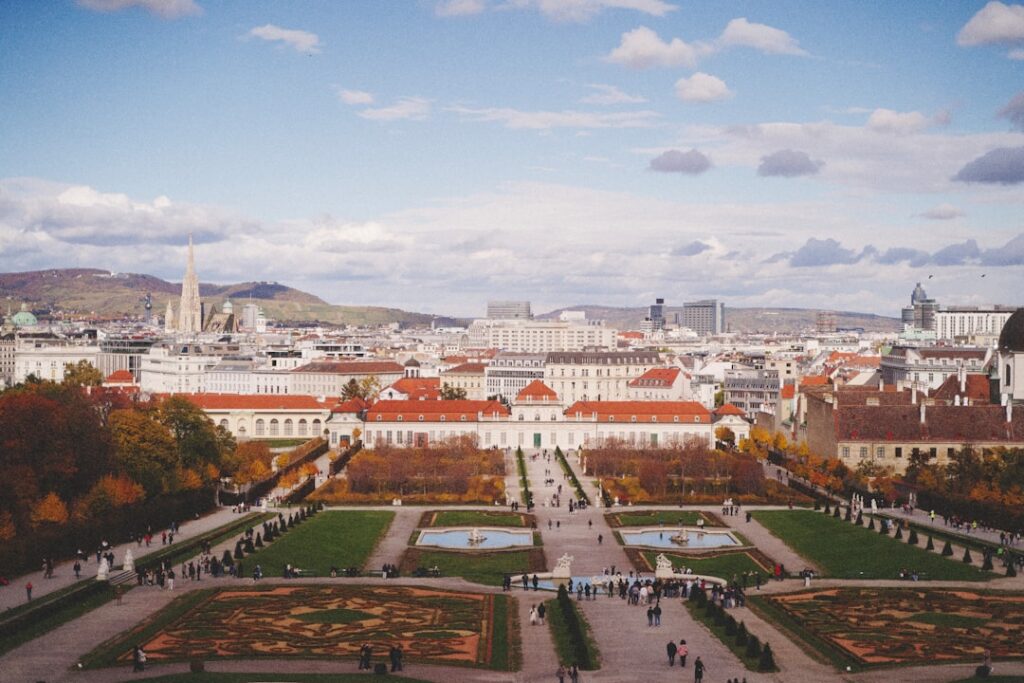






Introduction — Travel Health in Vienna: preparing your trip with peace of mind
Vienna (Wien), Austria’s capital, is a safe city with modern healthcare infrastructure. Still, like any international trip, good health preparation will increase your comfort and lower the chance of unpleasant surprises. This practical, comprehensive guide is aimed at travelers of all kinds—tourists, students, temporary workers—and covers recommended vaccinations, how to get prescriptions, pharmacies and medical services to know, and local tips to avoid the most common health issues.
The city has specialist clinics, high-level public hospitals, late-opening pharmacies and vaccination centers. Knowing which vaccines are necessary or recommended, how to obtain prescription medication, and where to go in an emergency will help you enjoy Vienna calmly—from strolls along the Ringstrasse to excursions in the nearby vineyards. This guide includes exact addresses, usual opening hours, price ranges in euros, and immersive descriptions to help you find your way once you’re on site.
We’ll also cover local specifics: how healthcare is organized in Austria, the importance of the European Health Insurance Card (EHIC) for EU citizens, private health insurance options for non-residents, and practical recommendations—staying hydrated in summer, tick protection when hiking in the city’s peripheral woods, and food precautions for more vulnerable travelers. You’ll also find information on vaccination and travel medicine centers in Vienna, 24-hour pharmacies and emergency services at the main hospitals.
This content is meant as a general guide: it provides verifiable and updatable information but does not replace personalized medical advice. Before traveling, book an appointment at a travel clinic or see your regular doctor for a health check tailored to your profile (medical history, ongoing treatments, trip duration and type). We also include practical indications on approximate costs (in euros), usual opening hours and advice for obtaining prescriptions and medical supplies (inhalers, insulin, anticoagulants) in Austria.
Finally, to make navigation easier, the guide gives suggestions of places to go if you need help, with exact addresses and typical opening hours. These addresses correspond to recognized institutions: hospitals, vaccination centers, central pharmacies and municipal services. If you have specific needs (pregnancy, immunodeficiency, long-term travel or a high-risk destination), contact a travel medicine specialist for personalized prescriptions and recommendations.
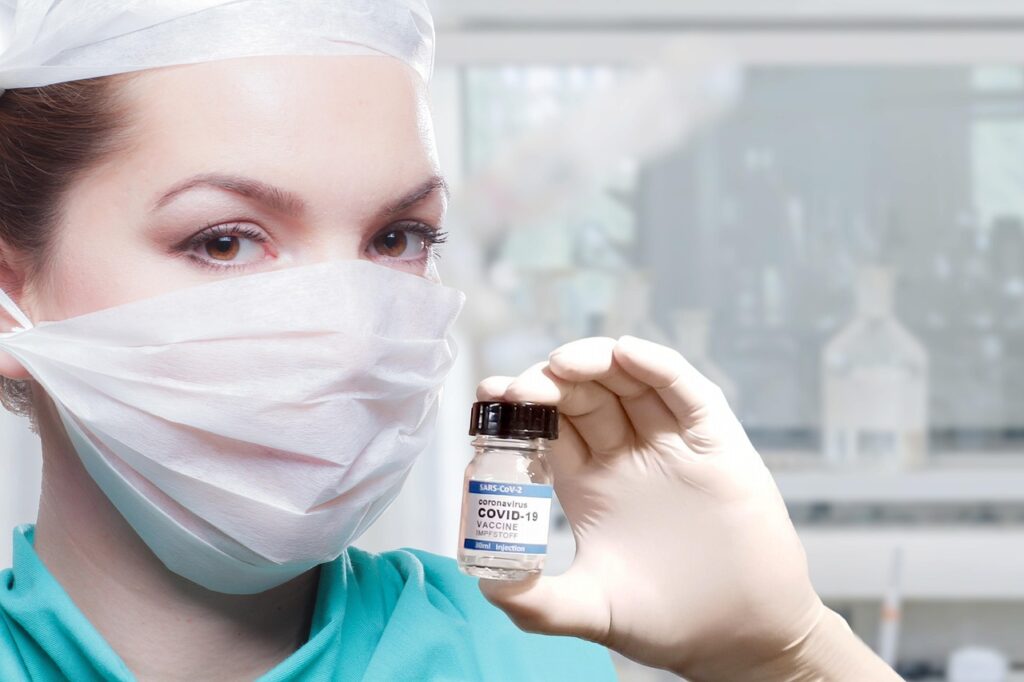
1) Recommended vaccines before traveling to Vienna: what’s useful and why
Most travelers to Vienna don’t need special vaccinations beyond routine immunizations. Austrian health authorities emphasize keeping routine vaccinations up to date. Below is a detailed list of vaccines to check and, if needed, update before you travel:
- Routine vaccinations: measles-mumps-rubella (MMR), diphtheria-tetanus-pertussis (DTaP/Tdap), polio. Check your vaccination record: a booster may be necessary if your last dose was many years ago.
- Hepatitis A: recommended for travelers not immune or not previously vaccinated, especially if you plan to eat in small inns or explore off-the-beaten-path areas. The vaccine is effective after two doses (initial dose, then a booster 6–12 months later). Approximate cost: €60–90 per dose in private clinics, varying by provider.
- Hepatitis B: recommended if you expect prolonged contact with the local population, potential medical procedures on site, or for long stays. Typical schedule takes several months. Approximate cost: €30–70 per dose.
- Flu (influenza): seasonal—advised especially for vulnerable people and for trips during the winter season (November–March). Approximate cost: €10–25.
- Tick-borne encephalitis (TBE): if you plan frequent hikes in the forests and vineyards around Vienna (Wienerwald), this vaccination is strongly recommended for residents and travelers exposed to tick bites. Schedule requires two or three doses depending on the vaccine. Approximate cost: €40–80 per dose.
- Rabies: generally not recommended for an urban stay in Vienna. Consider only if you plan prolonged contact with wild animals or work with wildlife.
Where to get vaccinated in Vienna? Here are some useful addresses:
- Impfstraße Messe Wien (temporary/event vaccination center) — Messe Wien Exhibition & Congress Center, Messeplatz 1, 1020 Wien. Opening hours vary by event; check Messe Wien’s website. Costs: some vaccines are reimbursed through Austrian insurance for residents, otherwise private fees apply (see indications above).
- Ambulatorium für Reisemedizin, Universitätsklinik für Tropenmedizin — Medical University of Vienna — Währinger Gürtel 18-20, 1090 Wien. Hours: Monday to Friday, 08:00–16:00; appointment required. Fees: consultation €60–120, vaccines extra depending on type.
- Wiener Gesundheitsverbund – local vaccination points — municipal services available in several districts; opening hours vary. Contact the Zentrum für öffentliche Gesundheit (MA 15) for local information.
Important: vaccine prices listed are indicative and can vary by clinic, insurance coverage and availability. For EU citizens, the European Health Insurance Card (EHIC) facilitates access to public care but doesn’t always cover the cost of non-urgent preventive vaccines. Make decisions at least 4–6 weeks before departure to allow the full vaccine schedule to be completed.
2) Prescriptions, common medications and how to get them in Vienna
If you take ongoing medication (insulin, blood pressure meds, anticoagulants, inhalers), plan continuity of prescriptions before you leave. Here are concrete steps and tips to travel without interruptions:
- Prescriptions from your home country: bring a paper copy and, if possible, a translation into English or German (international prescription). Most Austrian pharmacies accept EU prescriptions but recognition can vary for controlled drugs (opioids, certain psychotropic substances).
- Bring enough supply: carry at least 2–3 months’ worth of medication, especially if your return date is uncertain. Keep medicines in their original packaging with visible labels to simplify checks and replacement if lost.
- Authorization for controlled substances: for some controlled medications (e.g., morphine, certain anxiolytics), it is advisable to obtain prior authorization (Schengen or national form). Contact your embassy or the local pharmacy for exact formalities.
Pharmacies and out-of-hours services:
- Akademische Apotheke – Apotheke im AKH — Universitäts-Apotheke, Eingang Währinger Gürtel 18, 1090 Wien (located on the grounds of the Allgemeines Krankenhaus der Stadt Wien). Opening hours: 24h for the hospital pharmacy; prices: medicines priced according to official tariffs, most prescriptions reimbursed for residents with insurance card. Visitors pay cash or card.
- Apotheke zur Goldenen Krone (example list of 24h pharmacies) — several 24h pharmacies operate in the central districts; consult www.apotheker.or.at for the up-to-date list and opening hours. Out-of-hours dispensing carries a duty surcharge, varying (around €5–15).
If you need a new prescription on site:
- See a general practitioner (Hausarzt) or go to an emergency service. Typical private clinic consultation fee: €50–120; at a public hospital (if covered by the EHIC or insurance) fees may be lower.
- Hospitals with 24h emergency departments in Vienna:
- Allgemeines Krankenhaus der Stadt Wien (AKH) — Medical University of Vienna — Währinger Gürtel 18-20, 1090 Wien. Emergency department (OPEN 24h). Main phone: +43 1 40400 (verify by service). This large university medical center covers all specialties; useful for acute conditions requiring in-depth exams.
Practical tips: store scanned copies of your prescriptions in the cloud (Google Drive, iCloud) and print a paper copy. Note the INN (international nonproprietary names) of your medications—if the brand name differs in Austria, the pharmacy can provide an equivalent. If you carry syringes (for insulin), keep the prescription and prefer a medical case or a doctor’s letter explaining the necessity.
3) Medical services, emergencies and insurance: where to go and how to respond
Knowing the key numbers and locations for emergencies and routine care is essential. Here are the main resources with addresses, opening hours and practical advice:
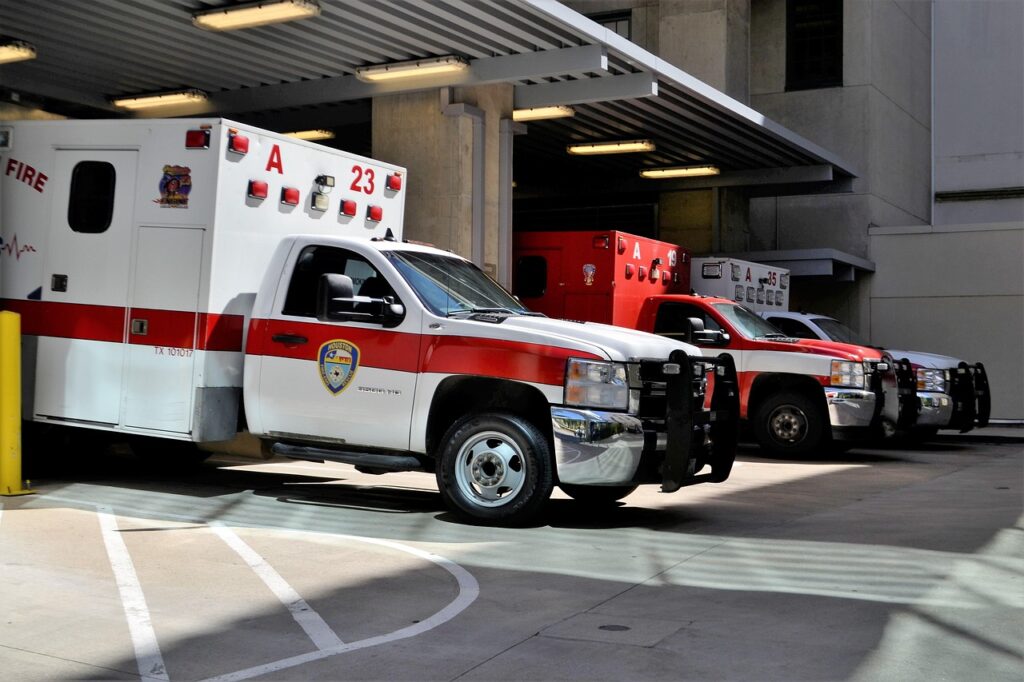
- Emergency numbers: In Austria, call 112 (European emergency number) or 144 for medical emergencies. For police, call 133; for fire services, 122. These numbers are available 24/7 and operators speak German and sometimes English.
- Allgemeines Krankenhaus der Stadt Wien (AKH) — Medical University of Vienna — Währinger Gürtel 18-20, 1090 Wien. Emergency department open 24h. Description: a large university hospital complex with cardiology, neurology, surgery, pediatrics and imaging services (CT, MRI). Access: tram D/1/2 depending on stop, U2 metro station Schottentor or U6 station Währinger Straße-Volksoper depending on entrance. Fees: emergency admission billed according to insurance status; non-residents should expect to pay partially upfront (from around €100–200 depending on severity), with final billing afterward.
- AKH – Universitäts-Apotheke (hospital pharmacy) — Währinger Gürtel 18, 1090 Wien. Open 24h for urgent medication dispensing.
- Privatklinik Döbling — Heiligenstädter Straße 46, 1190 Wien. Private clinic offering 24h services for paying patients or those with private insurance. Hours: private emergency 24h; consultations by appointment 08:00–18:00. Prices: private consultations €80–200 depending on specialty.
- Ambulatorium Favoriten – Health Center — Quellenstraße 51, 1100 Wien. Hours: Monday–Friday 07:30–17:00; outpatient consultations for residents and insured patients.
Insurance and costs: the EHIC for EU citizens facilitates access to public care but doesn’t cover everything (some hospital costs, repatriation, private consultations). Non-European travelers or those wanting full coverage should take out private travel/health insurance that includes repatriation and liability. Private consultation fees generally range between €50 and €150, imaging exams (CT, MRI) start around €200–500 depending on complexity, and a hospital stay can quickly reach several thousand euros without insurance.
Action plan in case of a medical problem:
- For life-threatening emergencies: call 112 or 144. Give your exact location (address, landmark), language and nature of the emergency.
- For non-life-threatening problems that need same-day attention: go to an outpatient center (Ambulatorium) or a private practice; some doctors accept walk-ins in the morning.
- If hospitalized, always ask for a detailed invoice (Rechnung) to submit to your insurer.
4) Local prevention tips and best practices to stay healthy in Vienna
Beyond vaccines and medical services, following a few simple local rules will make your stay smoother. Vienna is very safe, but minor incidents (tick bites, stomach upsets, heatstroke in summer) can spoil a trip. Here are concrete, practical tips adapted to the Viennese context:
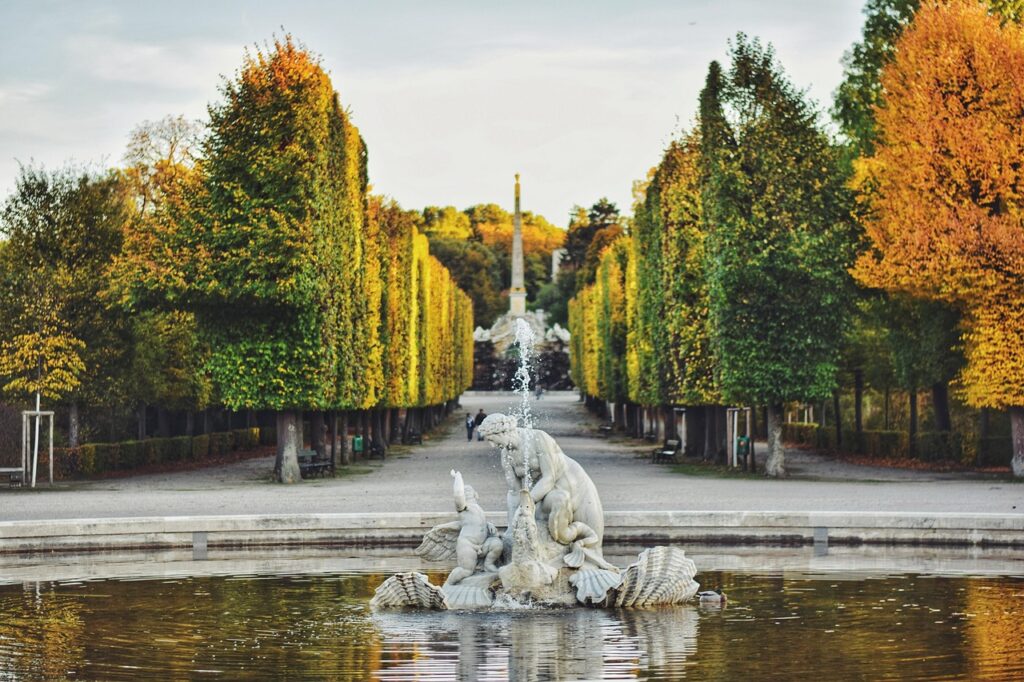
- Tick protection: if you plan hikes in the Wienerwald, Donau-Auen or the vineyards around Grinzing, wear long trousers, use repellents containing DEET or icaridin, and check your skin after every outing. If bitten, remove the tick gently with fine tweezers and clean the area; if redness or symptoms develop (fever, joint pain), see a doctor. Travel medicine centers (Ambulatorium für Reisemedizin) can advise about the TBE vaccine option.
- Hydration and heat: Viennese summers can be hot and humid (July–August). Bring a reusable water bottle: refill at public fountains or hotel taps (tap water is potable). Avoid long sun exposure during the hottest hours and favor museum visits (Schönbrunn, Kunsthistorisches Museum) in the early or mid-afternoon.
- Food: Viennese cuisine is hearty (Wiener Schnitzel, apfelstrudel). To avoid digestive issues, prefer well-reviewed restaurants and wash your hands before meals. For stomach upsets, pharmacies and GPs offer oral rehydration solutions and appropriate treatments; costs: packets of rehydration salts €2–6.
- Mental health and jet lag: although Vienna is in the CET/CEST timezone, long trips can cause fatigue and stress. Respect rest times, limit alcohol for the first days and use natural light to reset your body clock.
- Preventing minor injuries: for cyclists (common in Vienna), wear a helmet on secondary roads; basic first-aid kits with plasters, antiseptic and gauze are easy to find in pharmacies (price €5–20).
Language and communication: most medical staff speak English, especially in university hospitals and private clinics. Learn a few essential German words (Allergie, Schmerz, Tabletten, Rezept) and carry your passport, insurance card and emergency contact details.
In short, prevention (up-to-date vaccines, sufficient medication) and knowing local resources (24h pharmacies, hospitals, emergency numbers) are the keys to a healthy, worry-free stay in Vienna. The city offers excellent healthcare facilities; just get organized a few weeks before departure to avoid problems.
Conclusion — Final tips and practical checklist before you travel
To wrap up, preparing your health before a trip to Vienna means checking and updating core vaccinations, arranging your prescriptions, knowing the addresses and opening hours of key medical services, and following simple prevention rules in town and in nature. Vienna has an excellent medical network: university hospitals like the Allgemeines Krankenhaus der Stadt Wien (AKH) — Währinger Gürtel 18-20, 1090 Wien — offer 24h services, while private clinics (Privatklinik Döbling, Heiligenstädter Straße 46, 1190 Wien) and outpatient health centers cover most non-urgent needs.
Practical checklist before departure:
- Check your vaccination record and schedule required doses at least 4–6 weeks before travel.
- Bring original prescriptions and digital copies, plus international (INN) names of medications.
- Take out international travel health insurance covering repatriation and private hospitalization if you are not covered by the EHIC.
- Print or save locally useful addresses: AKH (Währinger Gürtel 18-20, 1090 Wien), Ambulatorium für Reisemedizin (Medical University of Vienna, same address), 24h pharmacies and emergency numbers (112 / 144).
- Pack a first-aid kit and prevention products (tick repellent, sun protection, rehydration solution).
Final practical tips: note that prices given in this guide (vaccines €30–90, consultations €50–200, rehydration solutions €2–6) are estimates and may change; always contact providers before departure to confirm. For specialized situations (pregnancy, immunodeficiency, severe allergies), arrange a personalized consultation at a travel medicine clinic (Ambulatorium für Reisemedizin, Medical University of Vienna) to get a tailor-made protection plan.
By following these recommendations, you’ll maximize your chances of fully enjoying Vienna—its historic cafés (Café Central, Herrengasse), classical concerts and park walks—with peace of mind. If you like, I can prepare a printable personal fact sheet for you with: list of up-to-date vaccines, adapted prescription copies, selected addresses and emergency numbers based on your neighborhood, and a precise budget estimate for healthcare on site. Would you like me to generate this personalized sheet?