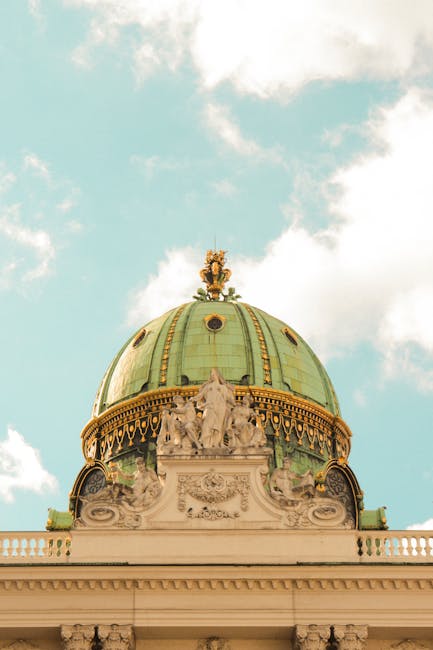






Skip the Hofburg at Noon — Why Visit Vienna Off the Beaten Track
Vienna looks like it came straight off a postcard — imperial palaces, historic cafés, orchestras and sidewalks that smell of age. The Hofburg, the Habsburgs’ imperial residence, is often at the center of that picture: museums, the imperial treasury, Michaelerplatz, and groups of tourists taking the same shot. But arriving at the Hofburg at noon, between guided tours, with the hum of audio guides and the choreography of queues, is like experiencing Vienna through a screen. It’s not that the place lacks historical or artistic value — far from it — but mass tourism can turn it into a backdrop rather than an experience. To truly understand a city you have to hear its sounds, smell its aromas, and live its daily rhythms. And often those moments happen off the usual routes, away from peak hours.
This piece is an anti-guide: it doesn’t deny the Hofburg’s appeal, it simply questions the idea that “seeing the Hofburg at noon” is an essential, must-do benchmark of your visit. I’ll explain why the “palace + noon” combo is overrated for many visitors, then offer concrete alternatives — practical, accessible, and rich in experience — with precise addresses, opening hours and rough prices for those who’d rather feel Vienna than photograph it. My aim is straightforward and nuanced: to give you options so your Viennese memories are less cookie-cutter and more personal.
Why avoid the Hofburg at noon? First, there’s the sheer number of people: between 11am and 3pm the Hofburg draws guided groups, tour buses and rushed visitors. The visit turns into an obstacle course. Second, timing: many exhibitions demand calm and contemplation — best experienced at opening, late afternoon, or simply elsewhere, in a less hallowed spot. Finally, the local scene: Vienna also lives in its parks, markets, wine taverns (heurigen) and neighborhood cafés. Going against the flow swaps the emotion of discovery for tourist conformity. This guide offers alternatives — each designed to replace a typical midday Hofburg visit with a more intimate, less crowded and equally meaningful cultural exploration.
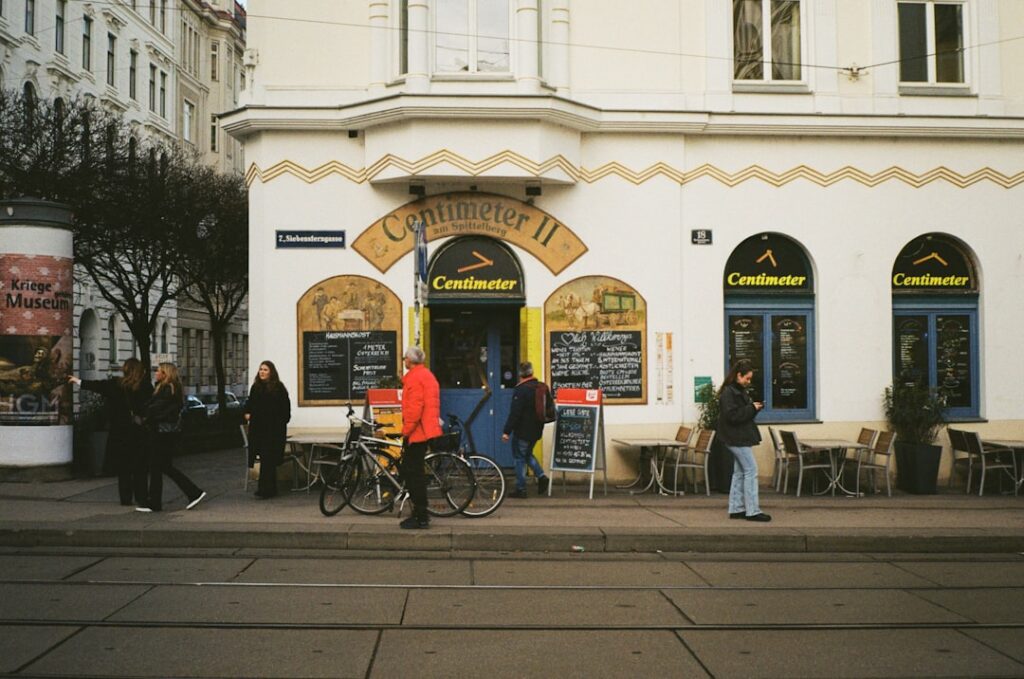
1. Why the Hofburg at Noon Is Often Overrated (and When It Still Makes Sense)
The Hofburg has undeniable credentials: imperial palace of the Habsburgs, seat of the Chancellery, imperial treasury, imperial apartments, and today both museum and official offices. For lovers of history, decorative arts and archives, it’s essential. But the way many people visit the Hofburg — arriving at noon after a rushed morning, plugging in audio guides, snapping quick photos in front of the column, grabbing a stale looking lunch — often reduces the visit to a box to tick. The result: flat memories, and missing what makes Vienna tangible: everyday life, local food, and the diversity of neighborhoods.
Concretely, at noon several factors make the experience frustrating: the influx of often English-speaking, multilingual guided groups, the queue for the Schatzkammer (the imperial treasury) on certain days, and the proximity of other tourist hotspots (Albertina, Michaelerplatz) that concentrate even more people. On top of that, cafés around the Hofburg turn into fast-food zones for tourists where prices rise and the atmosphere loses its charm.
That doesn’t mean you should boycott the Hofburg. Visiting early in the morning (or later in the afternoon), booking skip-the-line tickets, or choosing a themed tour (for example the imperial apartments in the morning and the Schlosskapelle in the evening) can transform the experience. But if you’re after a more authentic immersion, start by living Vienna differently — in a monumental cemetery, a bustling market, a hilltop heuriger or a classic old café — and save the Hofburg for a less congested time.
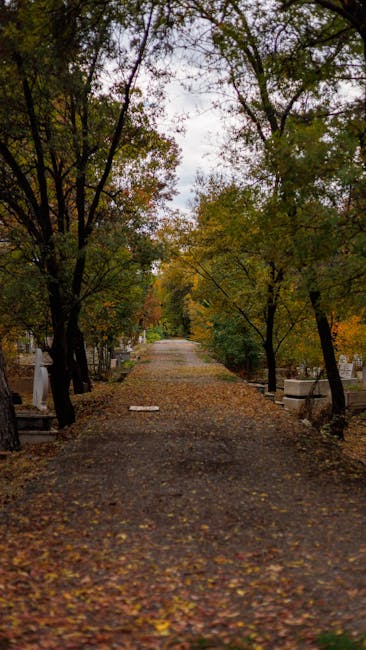
2. Concrete Alternative #1: Zentralfriedhof — a historic park where history goes quiet
To feel the deeper side of Vienna, head to the Zentralfriedhof (Central Cemetery). Address: Simmeringer Hauptstraße 234, 1110 Wien. Entry is free; the site is open 24 hours (services and guided tours have specific times — check the official site for events). Why a cemetery? Because the Zentralfriedhof is a rich place of memory, sprawling, leafy and surprisingly alive: Viennese families stroll its paths, cyclists cut across its lanes, gardeners tend old graves. Away from tourist flows you can read the city’s history on the gravestones: famous composers (while Beethoven’s grave is elsewhere, many musicians like Johannes Brahms or Franz Schubert have monuments here), mausoleums in varied styles, and neo-classical chapels.
How to get there: take tram 71 from the center (Zentralfriedhof stop). The ride already puts you into Vienna’s everyday rhythm. Average visit length: 1.5 to 3 hours depending on how much wandering you want to do. Practical tips: bring water, a small map (available at entrances) and a notebook to jot down names and dates that move you. This place offers a slow immersion, no queues, zero cost — a welcome contrast to the noon Hofburg rush.
3. Concrete Alternative #2: Naschmarkt and Café Sperl — popular food culture and coffeehouse life
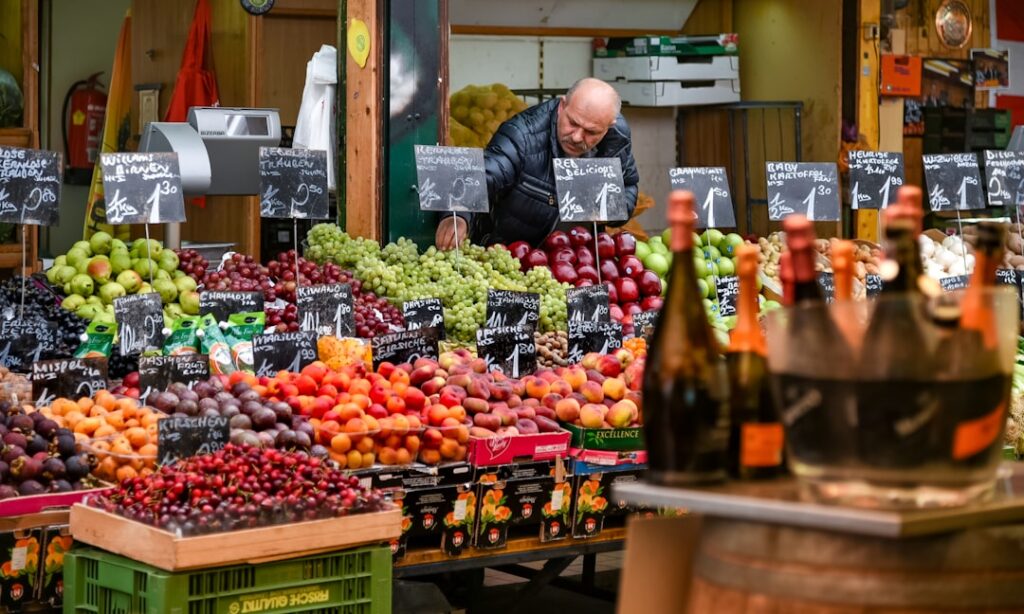
If the Hofburg represents imperial Vienna, the Naschmarkt is the city alive, sensory and contemporary. Address: Naschmarkt, 1060 Wien (it stretches along the Wienzeile). Opening hours: stalls are generally open from 6:00 to 19:30 (some restaurants stay open later; the market is quieter on Sundays when several stalls are closed). Cost: visiting is free; a decent meal from a local vendor runs roughly €8–€18 depending on your choice. Why go at noon? Here the crowd is local: office workers buying lunch, students, chefs doing their shopping. The experience is hands-on — touching spices, smelling fresh fish, tasting a falafel or a local doughnut (Krapfen).
After the market, settle into Café Sperl (Gumpendorfer Straße 11, 1060 Wien). Hours: typically 7:00 to 24:00 (check holiday hours). Prices: coffee is around €3.50–€4.50; a light dish between €8 and €15. Café Sperl preserves the spirit of Vienna’s traditional coffeehouses: wood paneling, marble tables, regulars reading the paper. While the Hofburg is a symbol, Café Sperl is a practice — a way of spending time, observing and grasping Viennese society.
Practical tips: do the market in the morning, eat lunch on-site, then drift to Café Sperl for a terrace break if weather permits. Avoid touristy restaurants around the Hofburg and favor Naschmarkt stalls and eateries for authentic food and fairer prices.
4. Concrete Alternative #3: Heuriger Cobenzl and Kahlenberg — wine, views and a breather
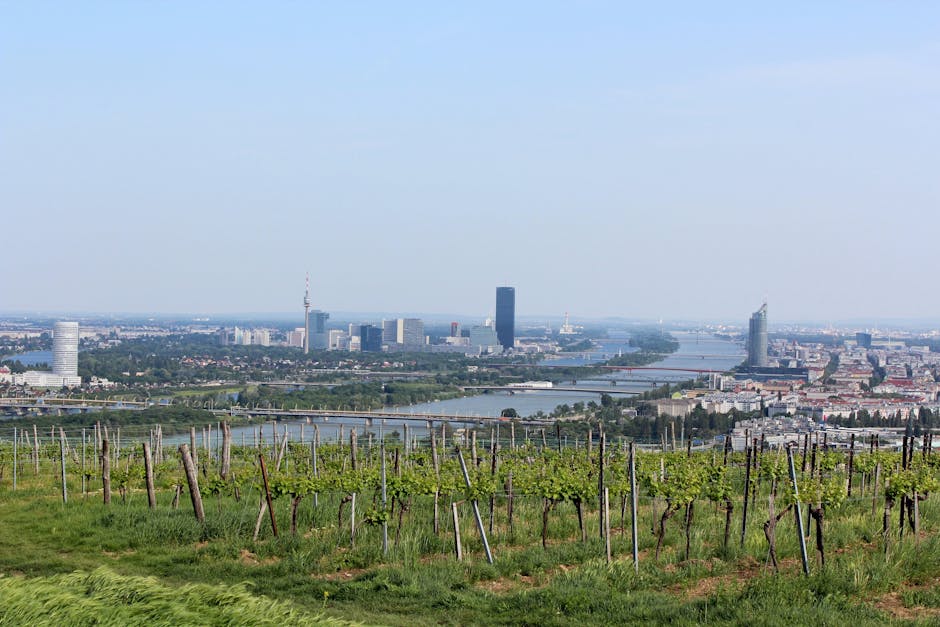
For a different kind of afternoon, head up the hill and drink in the city. Heuriger Cobenzl is located at Kahlenberger Straße 122, 1190 Wien (Döbling district). Hours: generally open from 11:00 to 22:00, some days until 23:00 — check seasonally. Prices: a glass of local Grüner Veltliner or Riesling costs around €4–€6; traditional dishes (Brettljause, a board of cold cuts and cheeses) run €8–€18. The highlight is the terroir wine paired with the panorama: from Kahlenberg the view over Vienna is sweeping, a perfect escape from the city crush.
How to get there: bus 239 from Heiligenstadt (U4) or a short hike from the D tram stop. The vibe is relaxed, often family-oriented and local — cyclists, couples and older regulars meet here. It’s the antithesis of the imperial circuit: conversations revolve around the wine, the weather and the harvest. The natural setting lets you breathe, stretch out your visit and see the city from another scale.
Tips: book a terrace table if you come on a weekend. Combine with a walk in the Wienerwald if you have time. At day’s end the golden light on the vines and the city makes for a more intimate photograph than any snapshot of the Hofburg taken through a crowd.
Conclusion: Visiting Vienna off the beaten track is about choosing what you keep
Choosing not to go to the Hofburg at noon doesn’t mean giving it up entirely. It means shifting your focus: instead of collecting monuments like checklist items, pick moments and places that add texture to your sensations. The alternatives offered — wandering the Zentralfriedhof, tasting Naschmarkt fare and lingering at Café Sperl, climbing to Heuriger Cobenzl for a glass with a view — give embodied experiences, often free or low-cost, and above all they invite encounters with Vienna’s everyday life.
Favoring these options means accepting a slower pace, agreeing that a city’s richness is sometimes measured in the sounds and smells of its streets rather than in exhibition halls and façades. The Hofburg will always be a major Viennese monument — visit it outside peak hours, or save it for a second trip. Until then, let markets, parks and taverns carry you and build a Viennese memory that feels like you: quieter, truer, and less dictated by tourist flows.
Practical note: the hours and prices mentioned can change with the season and local regulations. Check official sites or call venues before you go to confirm. Enjoy your trip to Vienna, and happy tourist disobedience: some of the best discoveries hide outside the queues.