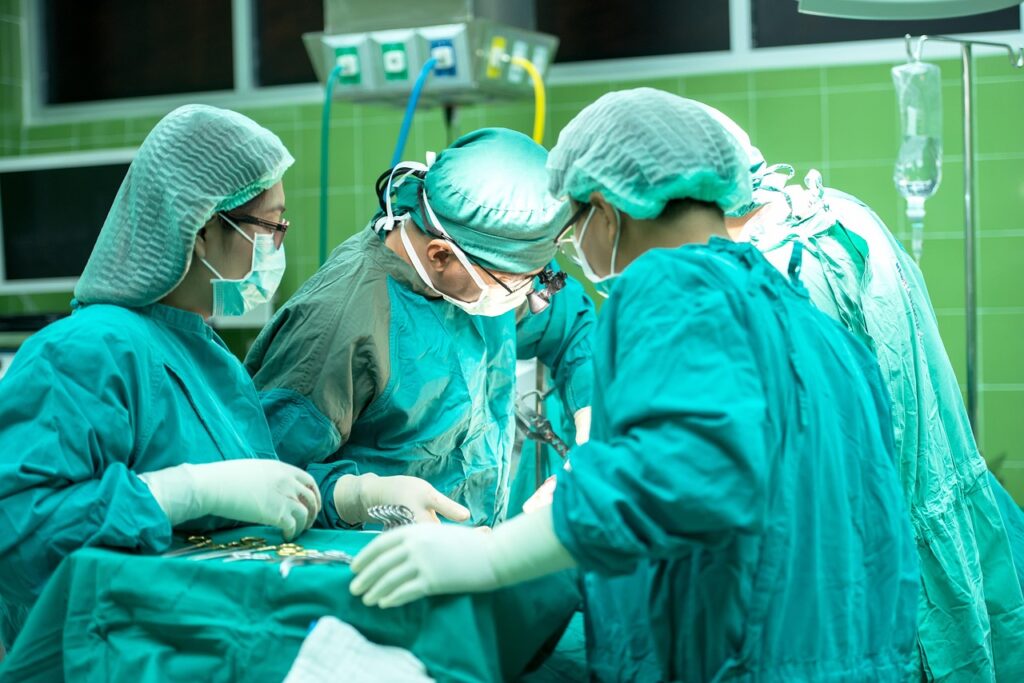






Introduction — Understanding Public and Private Healthcare Services in Vienna
Vienna, Austria’s capital, is known for the high quality of its social and health infrastructure. Whether you’re a local resident, an expat, an Erasmus student or a tourist staying a few weeks, it’s essential to understand Vienna’s medical landscape: university hospitals, private clinics, GP practices, on-duty pharmacies and emergency services. The city combines a solid public network, run largely by the Wiener Gesundheitsverbund and national social insurance schemes, with a private, premium offering aimed at those seeking speed, extra comfort and sometimes services that public insurance doesn’t cover.
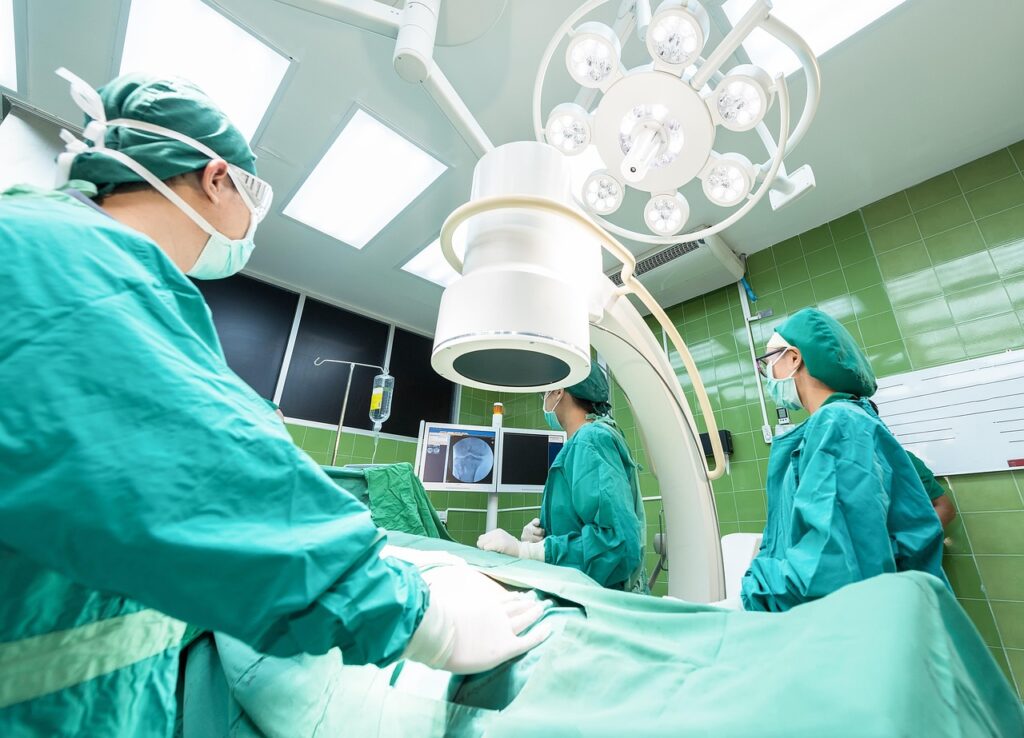
This guide aims to give a clear, practical overview: exact addresses of major facilities, typical opening hours, sample prices in euros, descriptions of services, local tips and practical information to help you get oriented fast. It covers everything from 24/7 emergency care to booking routine health checks, accessing specialists, handling health insurance (ÖGK, KFA, etc.) and the importance of the e-card or the European Health Insurance Card (EHIC/CEAM) for European visitors.
Austrian law and local practices mean that socially insured patients enjoy broad coverage, but waiting times for specialist consultations can vary; many therefore choose private clinics to shorten waits. Uninsured visitors should expect pay-per-service charges: a GP visit can cost €30–€80, a private specialist consultation €100–€400, and private hospital stays can run into several thousand euros per day depending on comfort level and procedures required. Emergency care, however, remains immediately accessible: ambulance and emergency teams operate 24/7, and major public hospitals keep their emergency departments running around the clock.
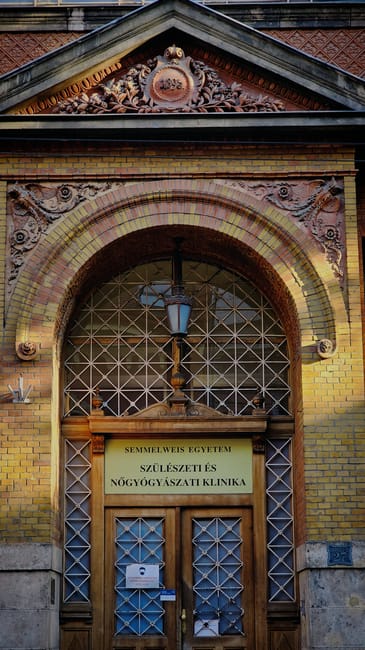
Finally, this guide includes practical tips: how to find an English-speaking doctor, which documents to prepare (e-card, passport, insurance numbers), where to get common medications and how to avoid unnecessary costs. The goal is that, whatever your situation — emergency, ongoing care or simply needing a vaccine — you can navigate Vienna’s healthcare network and make informed choices between public and private options.
Overview of Vienna’s Healthcare System: Structure, Insurance and Costs
Vienna’s healthcare system rests on two complementary pillars: the public sector, mainly funded by social insurance and managed locally by the Wiener Gesundheitsverbund, and the private sector, made up of private clinics, independent practitioners and supplementary insurers. Residents affiliated with Austria’s social insurance (Österreichische Gesundheitskasse — ÖGK) have access to a wide range of care with costs often partially or fully covered. The e-card is the key tool for accessing reimbursed services; if you’re from an EU/EEA country, the European Health Insurance Card (EHIC/CEAM) allows you to receive necessary care at rates comparable to local insured patients during a temporary stay.

Typical organisation:
- General practitioners (Ärzte): the first point of contact. Consultations cost on average €30–€80 without insurance, but ÖGK-insured patients often pay a reduced fee; typical opening hours are Monday to Friday, 08:00–18:00.
- Public hospitals: 24/7 emergency departments, multiple specialties and university services. Notable examples follow in the next section.
- Private clinics: chosen for shorter waits, comfort and additional services. Consultations typically €100–€300; hospital stays from around €500/day for a private room depending on the procedure.
- Pharmacies (Apotheken): dispense prescriptions and sell over-the-counter medicines. Pharmacies have extended hours and a night/Sunday on-call service (Notdienst).
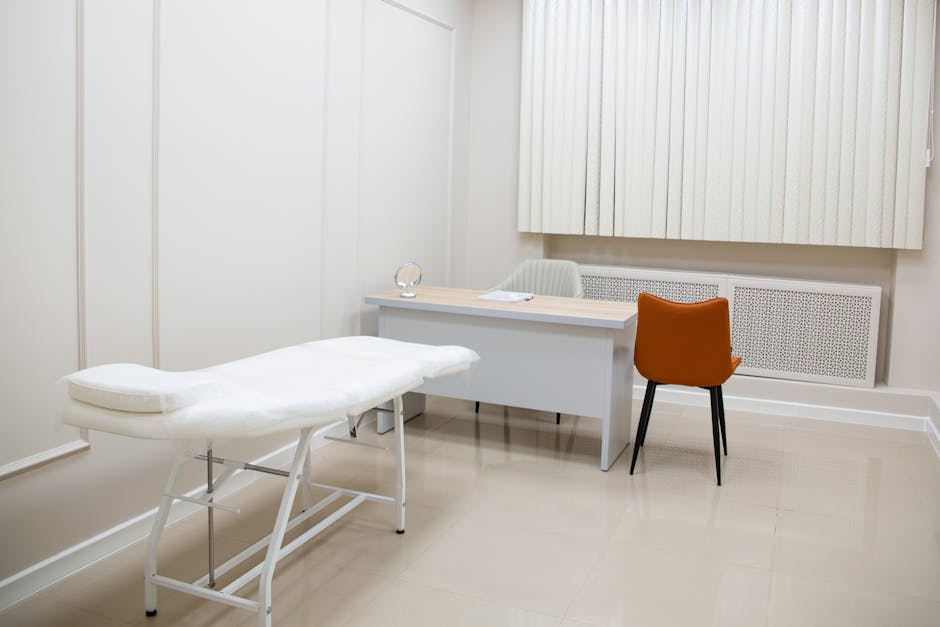
Costs and practical arrangements:
- GP consultation (without insurance): €30–€80; with ÖGK, primary consultations are often partly or fully covered, though administrative fees or co-payments may apply for certain services.
- Specialist consultation (private): €100–€300 depending on specialty and clinic status.
- Hospital emergency: emergency care is provided immediately; for insured patients many services are covered; uninsured patients may be asked for an upfront deposit (estimated €200–€1000 depending on the procedure).
- Ambulance: if covered by insurance, costs are low for the patient; private non-emergency ambulance services may charge €200–€600 for transport.
Local tips:
- Always carry your e-card or EHIC. Without it, be prepared to pay and use a card or cash.
- For non-urgent specialist appointments, book by phone or via clinics’ online booking systems; many institutions offer appointment services in English.
- Language: many doctors in Vienna speak English, but for complex consultations request a medical interpreter or choose an international clinic.
Major Public Hospitals in Vienna: Addresses, Hours and Services
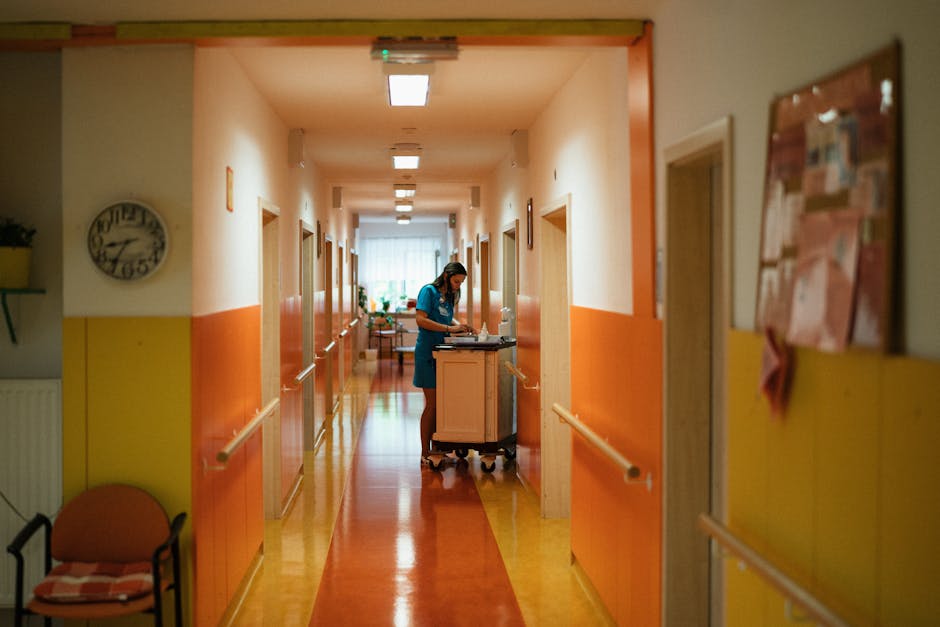
Vienna’s public hospitals cover all specialties and provide 24/7 emergency care. Some of the most well-known facilities include:
- Allgemeines Krankenhaus der Stadt Wien (AKH Wien / Vienna General Hospital)
Address: Alserstraße 4, 1090 Wien.
Hours: Emergency department open 24 hours a day. Specialist outpatient clinics by appointment depending on department (mostly Mon–Fri 08:00–16:00).
Description: Austria’s largest university hospital, affiliated with the Medical University of Vienna. Wide range of specialties: cardiology, neurology, general surgery, oncology and maternity. AKH has imaging services (MRI, CT), intensive care units and a trauma center.
Tips: Expect a long walk across the large campus. Bring your e-card. Visiting hours are generally late afternoon; check for restrictions in specialized units or isolation wards. - Wilhelminenspital (Wiener Gesundheitsverbund)
Address: Montleartstraße 37, 1160 Wien.
Hours: Emergency care 24/7; outpatient consultations by appointment Mon–Fri 08:00–16:00.
Description: A multi-service hospital with a cardiology center and surgical services. Known for serving local patients from Vienna’s 16th district. A solid option for comprehensive non-university care. - Krankenhaus Hietzing (OTTO-Wagner-Spital / Hietzinger Krankenhaus)
Address: Wolkersbergenstraße 1, 1130 Wien (check public entrance location).
Hours: Emergency department 24/7; outpatient clinics by appointment.
Description: Well-established hospital in Vienna’s southwest, with specialties including orthopedics and rehabilitation in specific units.
Services and costs:
- Hospital emergency departments are open 24 hours; triage can mean waiting times depending on severity. For insured patients most emergency treatments are reimbursed; uninsured patients may be asked for a deposit (e.g. €200–€1000 depending on the procedure).
- Imaging (radiology, MRI): public rates for uninsured patients roughly €150–€600 per exam; insured patients often get partial coverage.
- Inpatient stays: shared or semi-private rooms are generally covered by public insurance; private rooms are available at extra cost or in private clinics.
Local tips:
- In a life-threatening emergency call 144 (Rettungsdienst). For less severe injuries go to the nearest emergency department or see an on-duty doctor (Notdienst).
- Check in advance which hospitals offer multilingual services; major university hospitals often have English coordinators.
Private Clinics and Paid Services: Premium Options and Fast Care
Vienna’s private clinics attract both local and international patients for comfort, shorter waits and discretion. They typically offer private suites, specialist teams and personalised customer service. Two names come up frequently:
- Rudolfinerhaus Privatklinik
Address: Billrothstraße 78, 1190 Wien.
Hours: Admissions desk open 24/7 for inpatient care; outpatient consultations Mon–Fri 08:00–18:00.
Description: A historic private clinic known for orthopedic surgery, cardiology and high-end outpatient care. Comfortable private rooms, catering and interpreter services on request.
Indicative prices: Specialist consultation €150–€350; surgical procedures (e.g. arthroscopy) from around €4,000 depending on the intervention and length of stay. - Privatklinik Döbling
Address: Heiligenstädter Straße 46, 1190 Wien (confirm entrance on local maps).
Hours: Reception 24/7; outpatient consultations Mon–Fri 08:00–17:00.
Description: Clinic focused on cosmetic surgery, orthopedics and private internal medicine. Options for single rooms and personalised care.
Indicative prices: Consultations €120–€300; private inpatient stays from about €500/day (excluding procedures).

Additional services:
- Telemedicine and English-language consultations: many private clinics now offer video appointments, handy for expats.
- Comprehensive check-up packages: private clinics offer full-screening packages (imaging, blood tests, cardiac screening) from €300 to €1,200 depending on scope.
- VIP services: single rooms, family visits, concierge services and international patient coordination for those coming from abroad.
Practical tips:
- Before any procedure ask for a detailed written estimate: surgeon’s fees, anesthetist, clinic fees, medications and post-op care.
- Check whether your international private insurance covers private clinics in Vienna; some insurers require prior authorization for reimbursement.
- If you want to avoid public waiting times, private clinics can be worth the extra cost given the time saved, but factor this into your budget.
General Practitioners, Pharmacies, Emergencies and Practical Services for Residents and Visitors
General practitioners (Hausarzt / Allgemeinmediziner) are central to coordinating care. They prescribe tests, refer to specialists and manage long-term conditions. Here’s how to organize healthcare in Vienna:

- Finding a doctor: search via the Wiener Gesundheitsverbund’s “Ärzteverzeichnis” platform or ask your health insurance fund. Many practices offer services in English. Typical hours: Mon–Fri 08:00–18:00; some offer evening slots or Saturday mornings.
- Pharmacies (Apotheken): Example: Universitätsapotheke AKH, Alserstraße 4, 1090 Wien (located on the AKH campus); opening hours Mon–Fri 08:00–18:30, some weekends with on-call service. Regular pharmacy hours: Mon–Fri 08:00–19:00, Sat 08:00–12:00; Notdienst (on-call pharmacy) covers nights and Sundays on a rotating schedule—check the window notice or online.
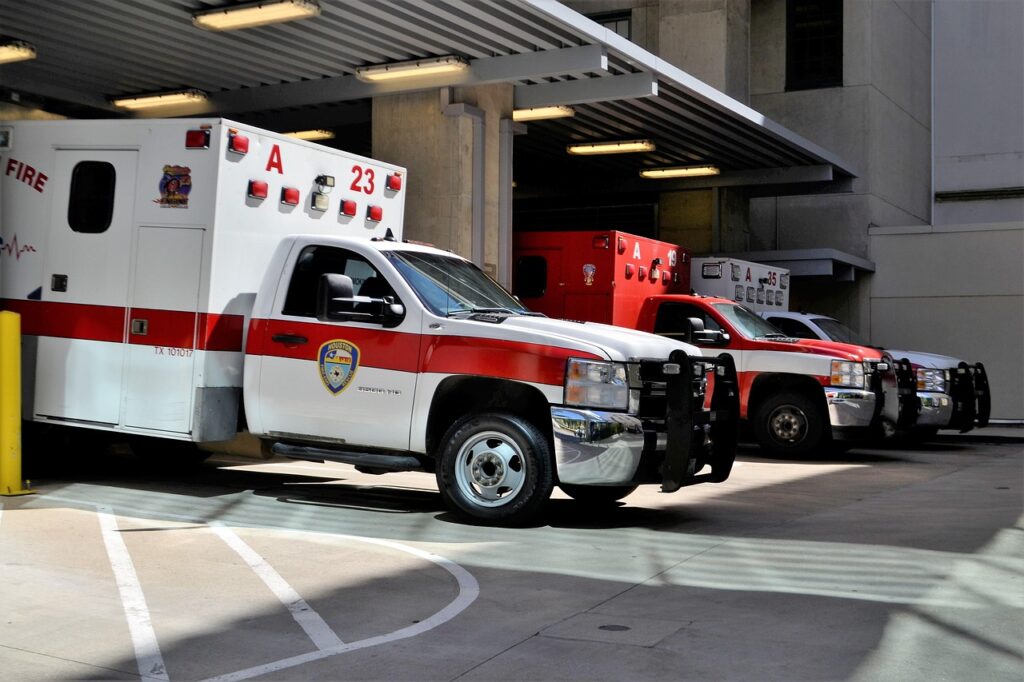
- Emergency numbers: 144 (ambulance/Rettungsdienst), 122 (fire brigade), 133 (police). For poisonings call the Vergiftungsinformationszentrum.
Common prices and reimbursements:
- A private GP consultation: €40–€90 if not reimbursed.
- Prescription medicine: prices vary; insured patients get partial reimbursement for some prescriptions. Over-the-counter items like paracetamol or ibuprofen are about €3–€10.
- Vaccinations: consultation plus vaccine (e.g. flu) between €20 and €50 if not covered.
Local practical tips:
- Register with a GP when you settle in — it makes appointments and continuity of care much easier.
- For non-urgent care in the evening or on weekends look up the on-call doctors (Ärztlicher Bereitschaftsdienst) via the Wiener Gesundheitsverbund website or call the local medical information number.
- Keep a basic first-aid kit (plasters, antiseptic, fever reducers, anti-diarrheals); for specific prescriptions local pharmacies and on-call services are responsive.

Access for Foreigners: Insurance, Documents, Language and Expat Tips
Foreigners in Vienna should know how to access care: the European Health Insurance Card for EU visitors, enrolling with ÖGK for employees, or private insurance for those not covered. Here’s a practical checklist of steps to take:
- Short stays (EU tourists): present your EHIC/CEAM to be treated on a temporary basis like residents. Bring your passport for ID.
- Workers and residents: employers contribute to health insurance (ÖGK); you’ll receive the e-card. Register with a local GP to simplify follow-up care. Useful address: Österreichische Gesundheitskasse – Regionalorganisation Wien, Customer Center—contact via the official website for appointments and paperwork.
- International students: student health insurance registration is mandatory; universities usually provide information and campus medical contacts.
- Uninsured people: purchase travel insurance or private health cover before arrival. Without insurance expect to pay up front.
Language and communication:
- Many health professionals speak English, but learn basic medical German phrases or use an interpreting service.
- For complex procedures request written consent in English and a detailed cost estimate.

Final expat tips:
- Keep a digital copy of your e-card or insurance policy accessible on your phone.
- Save your embassy’s contact details — embassies often have lists of English-speaking doctors.
- Check for redundancy in services (for example a private clinic near a public hospital) to optimise choices in an emergency.
Conclusion — Choosing Between Public and Private Care in Vienna: Recommendations and Outlook
In Vienna, the coexistence of a strong public system and a high-quality private sector gives patients considerable flexibility. The public system, supported by ÖGK and municipal hospitals like the AKH, ensures broad access to care and comprehensive coverage for insured residents. Administrative steps and waiting times can push some to choose private care for specialist visits or planned procedures. Private clinics such as Rudolfinerhaus provide premium services, quicker appointments and notable comfort, but at a higher cost that should be anticipated and ideally covered by private insurance or pre-authorisation for reimbursement.

Here are practical, situation-specific recommendations:
- In a life-threatening emergency head straight to the nearest emergency department or call 144 — speed matters more than the choice of facility.
- For non-urgent care, start with your public GP if you’re insured: it’s cheaper and coordinated. If waits are too long, consider a targeted private consultation.
- Always check your insurance coverage before scheduled procedures: ask for a written estimate and an itemised cost breakdown for hospital, surgical and follow-up fees.
- Use online resources: the Wiener Gesundheitsverbund platform, bilingual doctor directories and ÖGK information to find services that match your language needs and budget.
To sum up, Vienna offers a robust and accessible healthcare network. Preparation is key: know your insurance status, keep your documents handy, pick the right facility for the urgency and budget, and use private services judiciously when time or personal preference calls for it. By following the practical advice here — e-card, on-call pharmacies, emergency numbers, addresses and opening hours — you’ll be able to navigate Vienna’s healthcare system effectively, whether for a single visit, long-term follow-up or an emergency.