




Introduction — Understanding Vienna’s Pharmacies: services, rules and a first look
Going to a pharmacy in Vienna (Wien) might seem straightforward, but the city has a structured system with rules, varying opening hours and services that can differ quite a bit from other countries. Whether you’re a tourist for a few days, an expat staying for months or a long-term resident, this guide gives you a practical, detailed overview of how Viennese Apotheken operate: where to find them, what they sell, how to read opening hours, how prescriptions work, typical prices and local tips to save time and money.
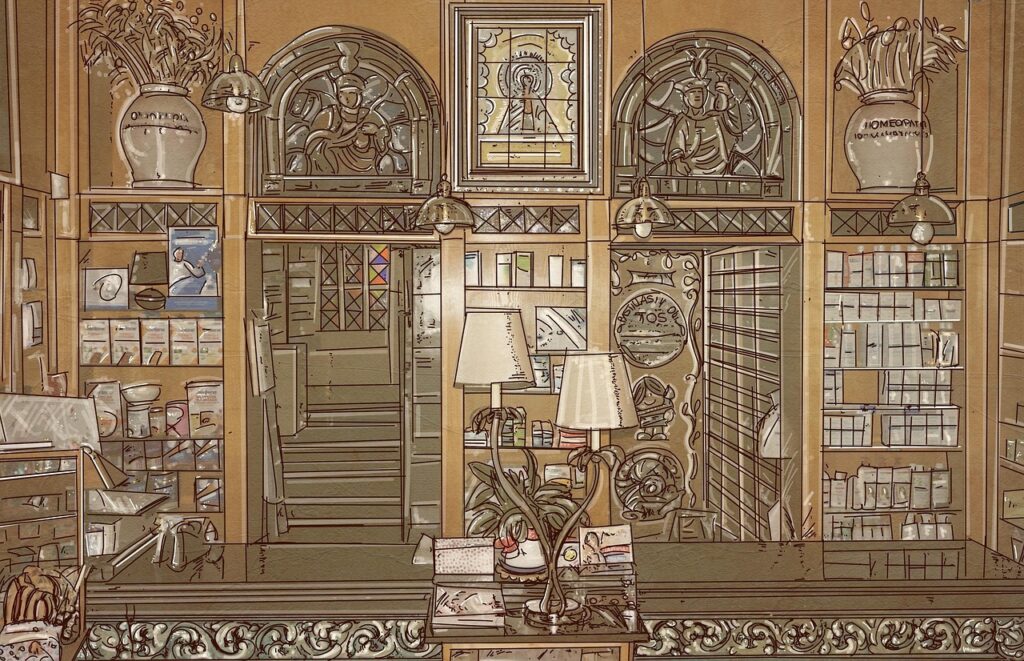
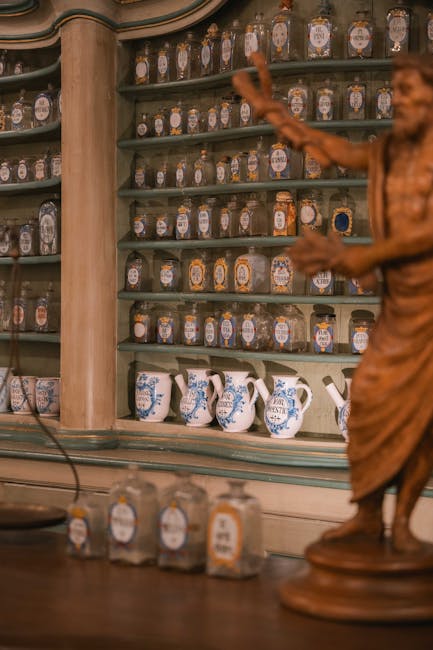
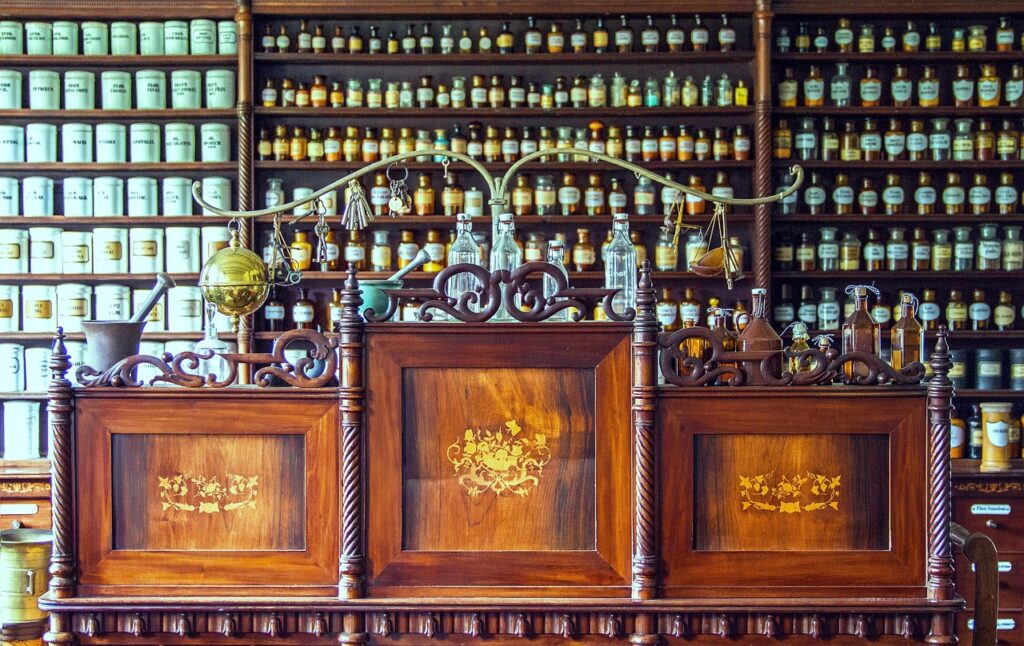
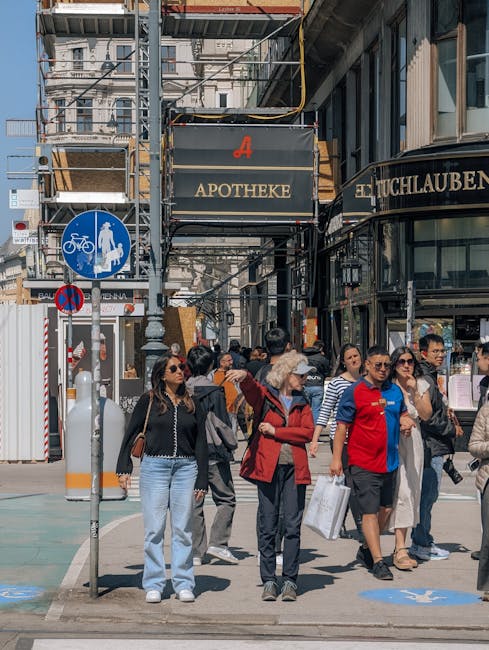
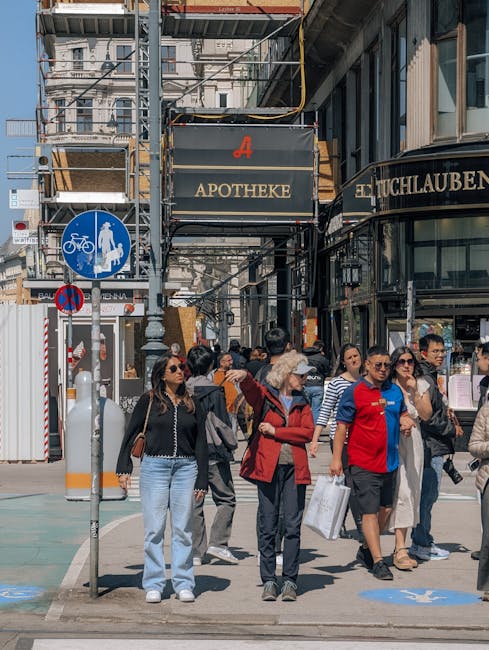
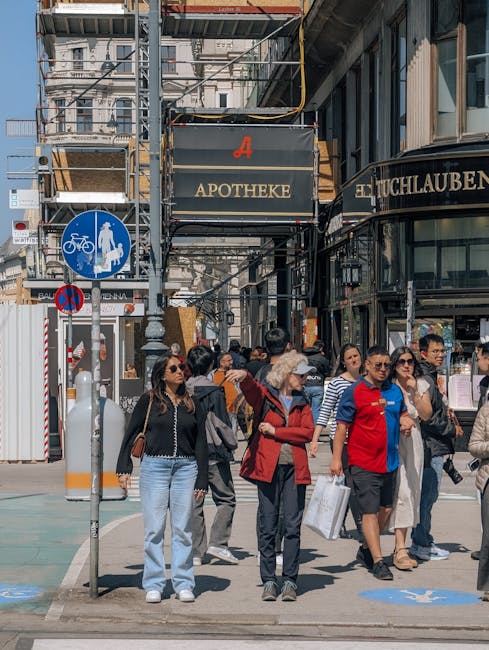
Pharmacies in Vienna are called “Apotheke” (plural: “Apotheken”). Many are independently owned and often boast historic façades, while chains and more modern city branches cover tourist areas and shopping centers. Available products range from prescription and over-the-counter (OTC) medicines to skincare, homeopathic remedies, baby supplies, vitamins and basic medical accessories (thermometers, blood pressure monitors, bandages). Unlike Anglo-Saxon drugstores, Austria enforces strict pharmacy regulations: some items commonly found in supermarkets elsewhere may only be sold in an Apotheke.
Here are a few practical points you should know before heading to a pharmacy in Vienna:
- Opening hours: most pharmacies are open Monday to Friday from around 08:30/09:00 to 18:00/19:00, and on Saturdays often until 12:00/13:00. Some larger city-center pharmacies stay open later, and there’s an Apothekennotdienst (on-call/emergency pharmacy) system for nights and public holidays. The on-duty pharmacies are listed on each pharmacy’s door and on apotheken.at.
- Prices: medicines covered by health insurance (Österreichische Sozialversicherung) have fixed prices or a co-pay. OTC medicines and cosmetics are priced freely; expect to pay roughly €3–6 for a pack of 20 paracetamol 500 mg tablets, €4–8 for ibuprofen 400 mg, €8–20 for a 50 ml sunscreen depending on the brand, and €2–8 for bandages and antiseptics.
- Prescriptions: Austrian prescriptions (Rezept) issued by an Austrian doctor are accepted without issue. Visitors with a prescription from another EU/EEA country can often get their medicines dispensed, but it’s best to have an English or German translation and the European Health Insurance Card (EHIC/CéCarte) if you expect reimbursement. For patients from outside the EU/EEA, some pharmacies can help arrange a doctor on call or a phone consultation.
- Payment: most Apotheken accept bank cards (VISA, Mastercard) and contactless payment; it’s still a good idea to carry some euros in cash for small independent shops.
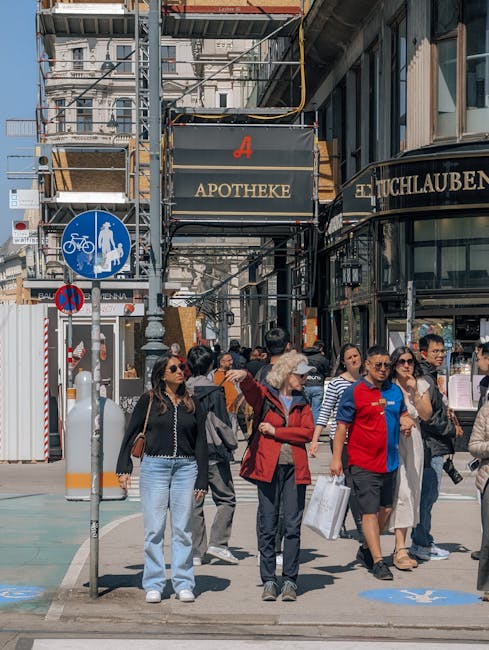
This guide also lists specific central Vienna pharmacies with opening hours, exact addresses, indicative prices and tips to make your visit more efficient (how to find the on-duty pharmacy, buying without a prescription, asking for brand equivalents). The sections below go into detail on how sales work in a pharmacy, where to find key pharmacies in central districts, on-call pharmacies and alternatives (supermarkets and drugstores), plus practical tips for medical emergencies.
How pharmacies in Vienna work: services, prescriptions and regulations
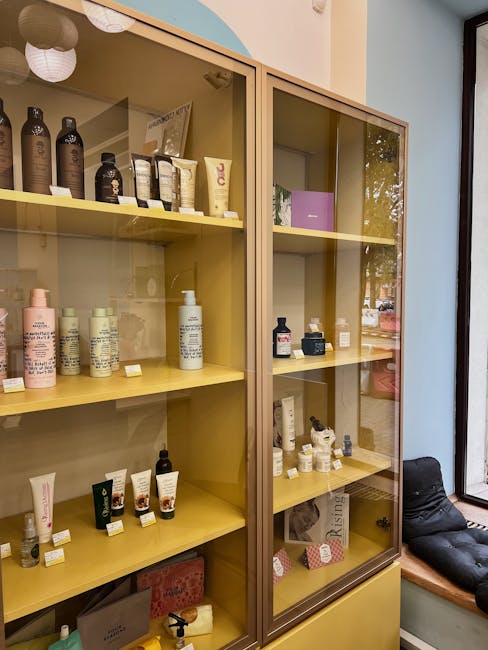
An Apotheke in Vienna operates under strict rules and staffed by qualified professionals. Every pharmacy is run by a licensed pharmacist (Apotheker / Apothekerin) who is responsible for dispensing medication. When you walk in, you’ll typically find a main counter for pharmaceutical advice and prescription handling, plus a retail area displaying common health products, medical cosmetics and dietary supplements.
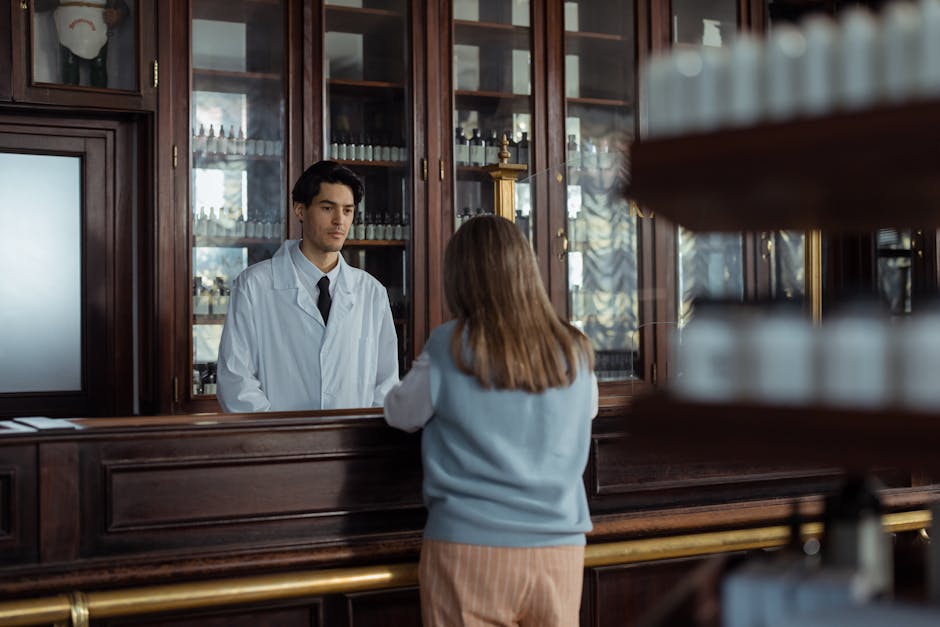
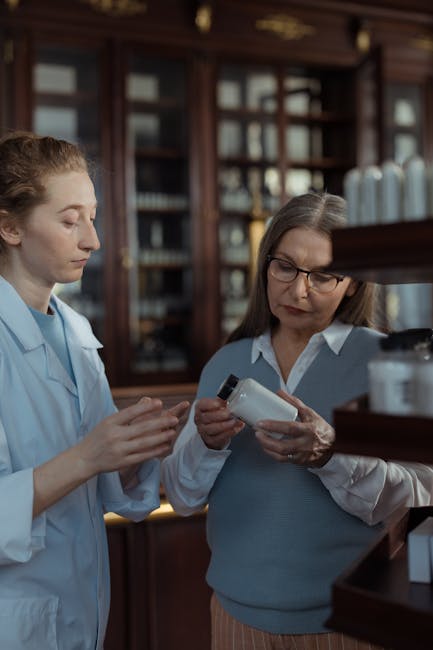
Prescription-only medicines (verschreibungspflichtige Arzneimittel) are only dispensed upon presentation of a Rezept. If you’re insured in Austria, present your social insurance card (e-card) to benefit from reimbursed rates; otherwise you’ll pay the full cost and may be able to claim a refund from your travel insurance. Pharmacists can often suggest cheaper generic alternatives — always ask for a generic (Generikum) if price is a concern.
For OTC medicines, pharmacists can provide medical advice: dispensing may depend on a brief assessment (age, allergies, interactions). Typical 2026 prices in Vienna: paracetamol 500 mg (20 tablets) ≈ €3.50, ibuprofen 400 mg (20) ≈ €5.50, saline nasal spray 30 ml ≈ €4–6, antiseptic healing cream ≈ €6–10. These ranges vary by brand and pharmacy location (tourist-area shops are often pricier).
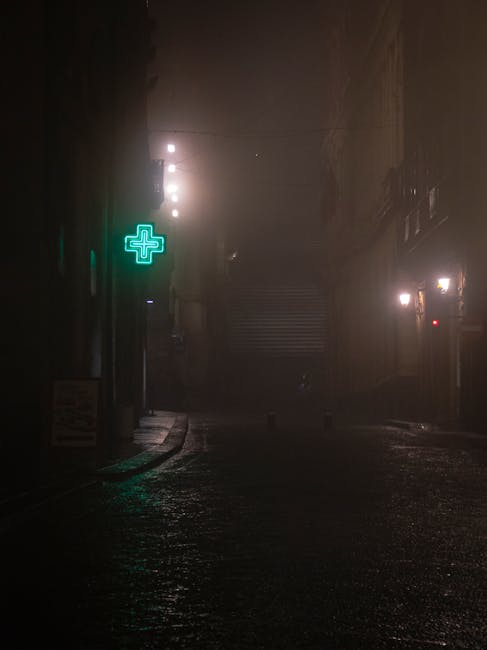
Pharmacies also provide an on-call service (Apothekennotdienst). An official daily list of on-duty pharmacies is published and displayed on each pharmacy’s door; it’s also available online via apotheken.at and in mobile apps. On-duty pharmacies stay open in the evenings, overnight and on Sundays and public holidays. Fees can be higher for emergency services, and some medicines dispensed at night may carry an additional charge. To find the nearest on-duty pharmacy, look for an “Apotheke” sign showing opening details or call the local health information line (for non-urgent health advice in Austria, dial 1450).
Practical tips: always carry a list of your medications and allergies, plus your insurance card or passport. If you’re on long-term treatment, keep a recent paper or digital prescription: Viennese pharmacies regularly work with on-call doctors and can help arrange a consultation if needed.
Central pharmacies to know in Vienna: addresses, hours and practical services
Here’s a selection of pharmacies in the heart of Vienna that are useful for tourists and residents. Each entry includes an exact address, typical opening hours and notable services. Hours can change seasonally; always double-check by calling or checking the pharmacy’s website.
-
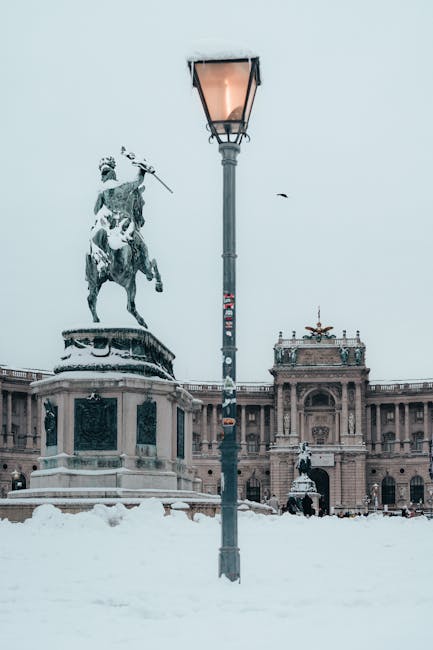
Hofapotheke (Hofburg) — Apotheke im Michaelertrakt
Address: Michaelerplatz 1, 1010 Wien
Hours: Mon–Fri 09:00–18:00, Sat 09:00–13:00, closed Sunday (on-duty pharmacy available at night)
Services: advice in English/German, dispensing prescription medicines, wide range of dermocosmetic products, masks and thermometers. Indicative prices: sterile dressing ≈ €2.50, digital thermometer ≈ €9–18.
Description: located in the Michaelertrakt wing of the Hofburg, this shop is frequented by visitors to the historic center. The décor blends classical elements with modern equipment, and the staff are used to international requests. -
Universitäts-Apotheke Wien — Apotheke am Universitätsring
Address: Universitätsring 1, 1010 Wien (near Universität Wien)
Hours: Mon–Fri 08:30–18:00, Sat 09:00–13:00
Services: dispenses antibiotics with an Austrian prescription, advice for international students, sale of basic medical devices. Prices: paracetamol 500 mg (20) ≈ €3.20, sunscreen 50 ml ≈ €12–18.
Description: convenient for university areas, often serving students and researchers; staff are knowledgeable about drug interactions and dosing. -
Rathaus-Apotheke — Apotheke beim Rathaus
Address: Rathausstraße 1, 1010 Wien (near Vienna City Hall)
Hours: Mon–Fri 09:00–19:00, Sat 09:00–14:00, Sunday closed (check for on-duty openings)
Services: large tourist-oriented pharmacy, multilingual staff, offers travel kits (adapters, bandages, antihistamines), advice but no vaccinations on site. Prices: basic travel kit ≈ €7–15.
Description: strategically located for center-city visitors, often busy; handy if you need quick medical supplies during the day. -
Stadt-Apotheke Mariahilf — Große Mariahilfer Straße
Address: Mariahilfer Straße 99, 1060 Wien
Hours: Mon–Fri 09:00–19:00, Sat 09:00–17:00
Services: large selection of cosmetics, rapid tests (e.g. antigen tests sold over the counter), advice for chronic treatments. Prices: antigen test ≈ €5–12 depending on brand, insect bite cream ≈ €6–10.
Description: located on Mariahilfer Straße, the main shopping street, it’s ideal for post-shopping stops and residents of the 6th district.
On-call pharmacies, emergencies and alternatives: finding a pharmacy at night or on Sundays
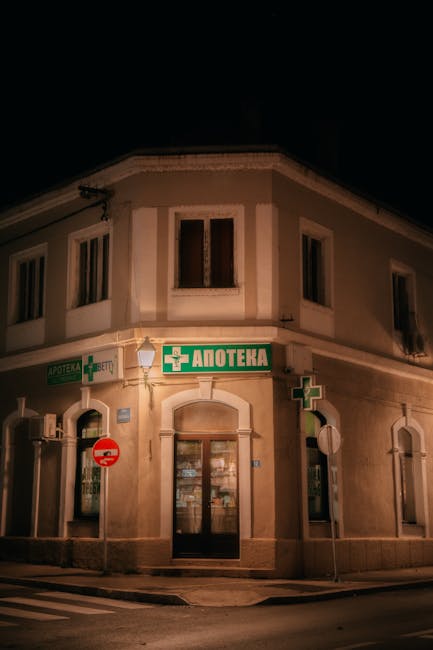
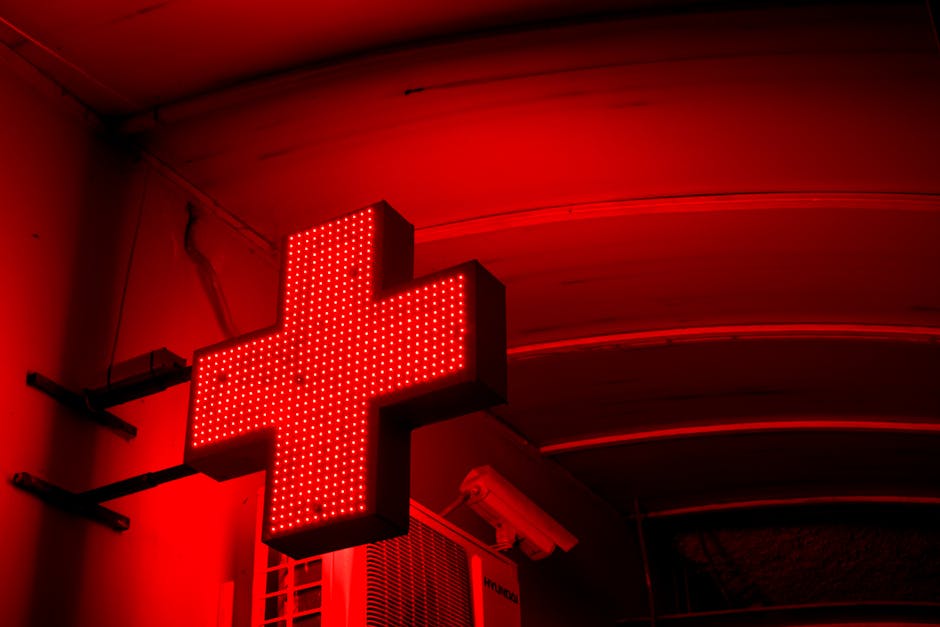
If you have an emergency outside normal hours, Vienna has a well-organised on-call pharmacy system (Apothekennotdienst). Each pharmacy posts the list of on-duty pharmacies for the day and upcoming days on its door. There are also illuminated signs and official websites (apotheken.at) showing the nearest on-duty pharmacy by postal code. Public hospitals and clinics also run emergency medical services (ambulance and hospital emergency departments) for serious issues.
Simple steps to find an on-duty pharmacy:
- Check the board posted on the door of a closed pharmacy — it shows the on-duty pharmacy for the night.
- Consult the official site apotheken.at or the mobile “Apotheken” app and enter your postal code (PLZ) to locate the nearest on-duty pharmacy.
- Call the local health information number (in Austria non-urgent health line 1450) for advice and the address of an on-duty pharmacy or doctor on call.
Hours and costs: on-duty pharmacies usually apply a surcharge for night-time hours (after 20:00) and may charge more for certain emergency-dispensed medicines. Expect to pay the base price plus an extra fee of around €5–15 depending on the service and time. If you have a prescription, most pharmacies will fill it at night, but the dispensing of antibiotics without a prescription is tightly regulated.
Alternatives if no pharmacy is immediately available:
- Major train stations (Wien Hauptbahnhof, Wien Westbahnhof) sometimes have kiosks or shops with a limited selection of medical items (bandages, basic painkillers).
- Supermarkets (Spar, Billa) and drugstores (dm, Müller) sell basic OTC medicines (low-dose paracetamol, bandages, antiseptics, soothing creams). Note: stronger formulations remain pharmacy-only.
- For serious problems (breathing difficulty, chest pain, severe attack), contact emergency services (Rettung/Notruf 112 or 144 in Austria).
Local tips, saving money and essential pharmacy vocabulary
To get the most out of Vienna’s pharmacies, a few tips and simple German phrases will save time and help you get the right product. Here are practical suggestions based on local practice:
- Expressing your needs: useful phrases — “Ich hätte gern …” (I would like…), “Haben Sie etwas gegen … ?” (Do you have something for … ?), “Ich brauche ein Rezept für …” (I need a prescription for …), “Ist das rezeptfrei?” (Is this over-the-counter?) and “Haben Sie generische Alternativen?” (Do you have generics?). Pharmacists often speak English, especially in the city center.
- Saving money: ask for generics (Generikum) and compare prices between pharmacies; neighborhood branches outside the tourist center are often cheaper. Loyalty cards from chains may not apply to medicines but can give discounts on cosmetics.
- Transporting medicines: for long flights home, check liquid regulations and ask the pharmacist for a certificate if you carry controlled substances or syringes.
- Vaccination and travel advice: most pharmacies don’t administer vaccines, but they offer guidance and can point you to vaccination clinics or health centers. Travel vaccines are usually given by doctors in clinics.
- Useful apps and sites: apotheken.at, Google Maps and the “Apotheken” app to quickly locate open pharmacies and on-duty services. Pharmacies also often post hours and services on Facebook or Instagram.
Finally, keep in mind local culture: Viennese pharmacists are friendly and professional; they take time to explain drug interactions and dosages. If you have a specific condition (diabetes, high blood pressure), ask for a short summary in German or English to show another healthcare professional in Austria if needed.
Conclusion — Using pharmacies in Vienna with confidence
Pharmacies in Vienna offer reliable, professional and usually multilingual service, suited to both locals and international visitors. Knowing the basic vocabulary, common opening hours, prescription rules and the existence of an on-call service will save you a lot of stress while travelling. Prices for medicines and health products vary by brand and pharmacy location; expect to pay a few euros for standard painkillers and around ten euros for dermocosmetics or rapid tests. For night-time or holiday emergencies, use the Apothekennotdienst lists posted at each pharmacy or check apotheken.at to find the on-duty pharmacy nearest your address or postal code.
Final practical tips: always keep copies of your prescriptions and a list of your medications, ask whether a generic is available, check opening hours before you travel and, in a serious medical emergency, call the emergency services (144) rather than waiting for a pharmacy to open. Visitors should carry the European Health Insurance Card if eligible, and all travellers should note their insurer’s contact details and reimbursement procedures at home.
With this guide you now have a solid foundation for finding a pharmacy in Vienna, understanding how transactions are handled and avoiding common pitfalls. Whether you need a basic painkiller, advice for a chronic condition or to locate an on-duty pharmacy at 2 a.m., Vienna’s structured and welcoming network will help you sort out most minor health issues quickly and efficiently. Being informed, polite and prepared will get you through most small medical problems in Austria’s capital.