





Introduction — Why explore Vienna beyond the Ring
Vienna is often pictured by its grand imperial landmarks lined along the Ring (Ringstraße) — the State Opera, the Parliament, the Rathaus — sights that draw crowds and appear in every guidebook. Step outside that historic belt, though, and you discover a different city: lively local neighborhoods, colorful markets, Art Nouveau villas, shady parks and cozy heuriger (wine taverns) where Viennese life feels more intimate and authentic. Heading beyond the Ring means meeting locals in their daily routines — at a breakfast market, on a park bench, in an artist’s studio or over a glass of Grüner Veltliner at a family-run heuriger.
This detailed guide offers concrete alternative walks through several neighborhoods outside the Ring. Each route includes exact addresses, prices in euros, opening hours, immersive descriptions and local tips designed to help you plan a full day, a themed afternoon or even a weekend of wandering. The aim isn’t to replace the big classics — you might still visit the Belvedere or Schönbrunn — but to complement your trip with spots where Vienna’s spirit shows itself differently: multicultural markets, craft workshops, microbreweries, small neighborhood museums and quieter park walks.
We’ll focus on areas like Neubau (7th), Ottakring (16th), Brunnenmarkt and Yppenplatz (16th), Landstraße/Untere Weißgerberstraße (3rd), the Spittelberg quarter (7th) slightly off the tourist flow, Josefstadt (8th) and the southern stretches toward the Belvedere and Schönbrunn for a few excursion ideas. For every place mentioned you’ll find practical info — address, opening hours, entry fees where relevant — and sensory tips: what to look at, where to sit, which dish to sample and when the spot shows its best side.
Finally, this guide includes pragmatic local advice: how to avoid rush hours, which combo ticket to buy, how to link two nearby visits and what to pack (for example, comfy shoes for cobbles, a water bottle for long walks, a jacket for cooler evenings in heuriger). The suggested routes favor walking, cycling and Vienna public transport (U-Bahn, tram, bus), all easy to use and very safe. Prices shown in euros reflect standard 2024 rates and may change slightly; check online before you go.
Neubau and Spittelberg — Art, indie shops and neighborhood cafés
The 7th district (Neubau) is a playground for cultural and creative experimentation just outside the Ring. Unlike the hyper-touristy museum core, Neubau is full of independent galleries, designer shops, specialist bookshops and a thriving café scene. Start exploring in Spittelberg, a tiny historic neighborhood of cobbled lanes lined with Biedermeier houses and small craft shops.
Spittelberggasse, 1070 Wien — this pedestrian stretch is perfect for strolling. The vibe is especially pleasant late afternoon when shop windows light up and small taverns serve contemporary Austrian dishes. Restaurants and cafés are generally open roughly 09:00–23:00; some bars stay open later. Spittelberg also hosts seasonal events (Christmas markets are very popular).
Museum and art space: Leopold Museum, MuseumsQuartier, Museumsplatz 1, 1070 Wien — while technically adjacent to the Ring, the MuseumsQuartier acts as a gateway to Neubau and is worth a visit if you want context for the local art scene. Adult ticket: €14–€16 depending on special exhibitions. Opening hours: Tue–Sun 10:00–18:00, Thu 10:00–21:00, closed on Monday. For a more intimate view of local artists, check out the small galleries along Kaiserstraße and Gumpendorfer Straße.
Recommended cafés:
– Cafe Sperl (classic Viennese) – Gumpendorfer Straße 11, 1060 Wien. Price for a traditional coffee: €3.50–€4.50. Hours: 08:00–23:00.
– Phil (bookshop-café) – Strozzigasse 10, 1080 Wien (near Neubau). Price for a cappuccino: €4–€4.50. Hours: 10:00–22:00.
These spots are perfect for sitting down, flipping through design books and watching neighborhood life pass by.
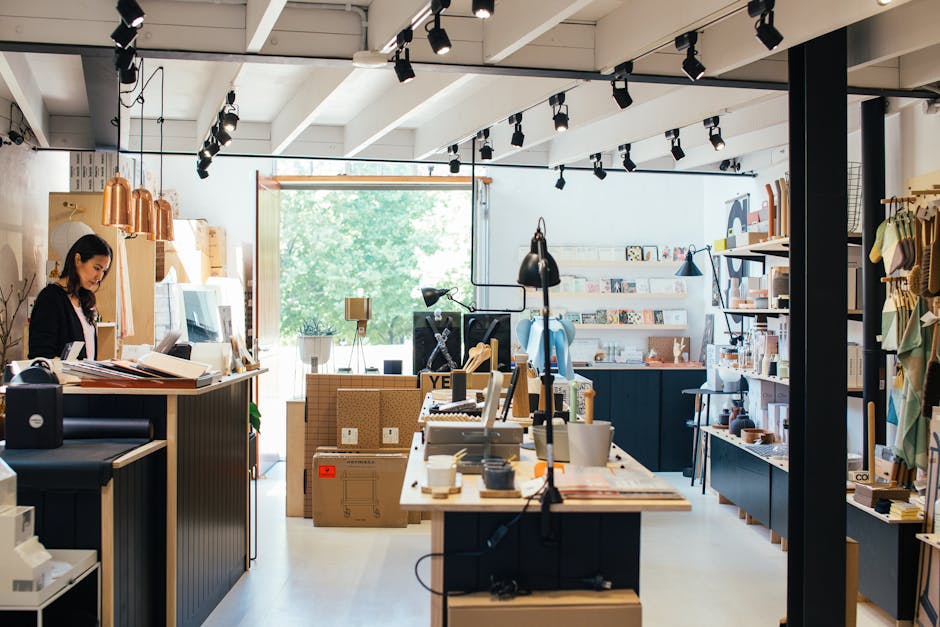
Shops and local shopping: Neubau is the domain of independent stores. For original souvenirs hunt the ceramics workshops and artisan stationery shops around Neubaugasse and Neustiftgasse. Prices vary: postcards and small items from €3, design pieces between €20 and €120.
Local tip: walk early in the morning to enjoy the lanes without crowds and note workshops displaying « Offen » (open). If you like street art, the area around Lerchenfelder Straße has plenty of murals and stickers. For dinner, pick a « Beisl » (small tavern) for Austrian dishes reinterpreted by young chefs — a Wiener Schnitzel in a Neubau Beisl will cost around €14–€19.
Ottakring, Brunnenmarkt and Yppenplatz — multicultural markets, working-class mix and microbreweries
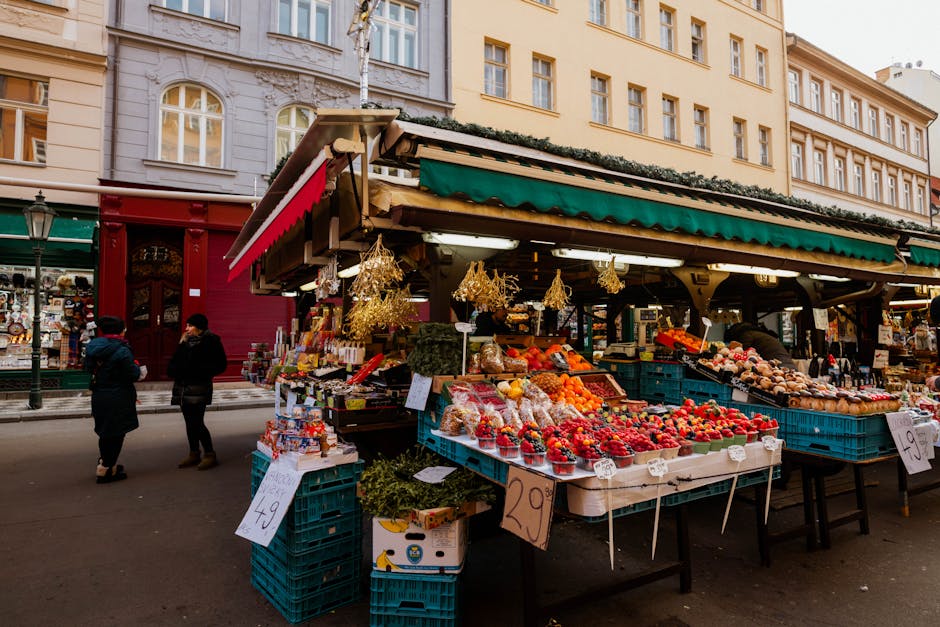
Ottakring, northwest of central Vienna (16th district), is a lively, multicultural neighborhood known for its Brunnenmarkt and the adjoining Yppenplatz. It’s the place to feel the city’s popular energy: stalls selling exotic fruits, Balkan butchers, Turkish bakeries and traditional cafés side by side. A day here is a sensory journey — colors, smells, voices and music.
Brunnenmarkt — mainly stretches along Brunnengasse, 1160 Wien. Daily market: generally open every day from 06:00 to 18:00 (stand hours can vary). You’ll find fresh produce at competitive prices: fruit baskets €3–€6, vegetables from about €1/kg depending on the season, ready-to-eat specialties (sarma, börek, falafel) €3–€8. It’s also a great spot for a street-food lunch.
Yppenplatz — the neighborhood’s central square, Yppenplatz hosts cafés, bars and regular cultural events. Address: Yppenplatz, 1160 Wien. On weekends the square often features music and craft markets. Cafés to check out on the square: « Yppenplatz 7 Café » (coffee €3–€4) and « Xarafina » for Viennese-style tapas, dishes €6–€12.
Microbrewery: Ottakringer Brauerei AG — Ottakringer Platz 1, 1160 Wien. The iconic brewery offers guided tours (Ottakringer Brewery Tour). Approximate price: €7–€10 per person (tour + tasting). Tour times: usually Saturday at 11:00 (booking recommended); weekday tours on request (call +43 1 48101 0 or check their site). Brewery shop: limited-edition bottles €3–€6.
Atmosphere and experience: stroll Brunnenmarkt early to see vendors setting up and smell fresh coffee being ground. In early afternoon grab a table on Yppenplatz, sample a mezze from a Lebanese stand and then have a drink at a nearby bar. In the evening Ottakring shows its nightlife side with craft beer bars and small concert venues. Expect a very diverse crowd and prices lower than the city center.
Local tips: bring cash (coins and small bills) for small purchases — some stalls don’t accept cards. Try immigrant specialties — Turkish börek, arancini, falafel and Bosnian burek — for an affordable lunch. For a neighborhood overview, head up toward the Gürtel to observe rehabilitated post-industrial architecture.
Landstraße, Belvedere and Hundertwasser — surprising architecture and open-air museum moments
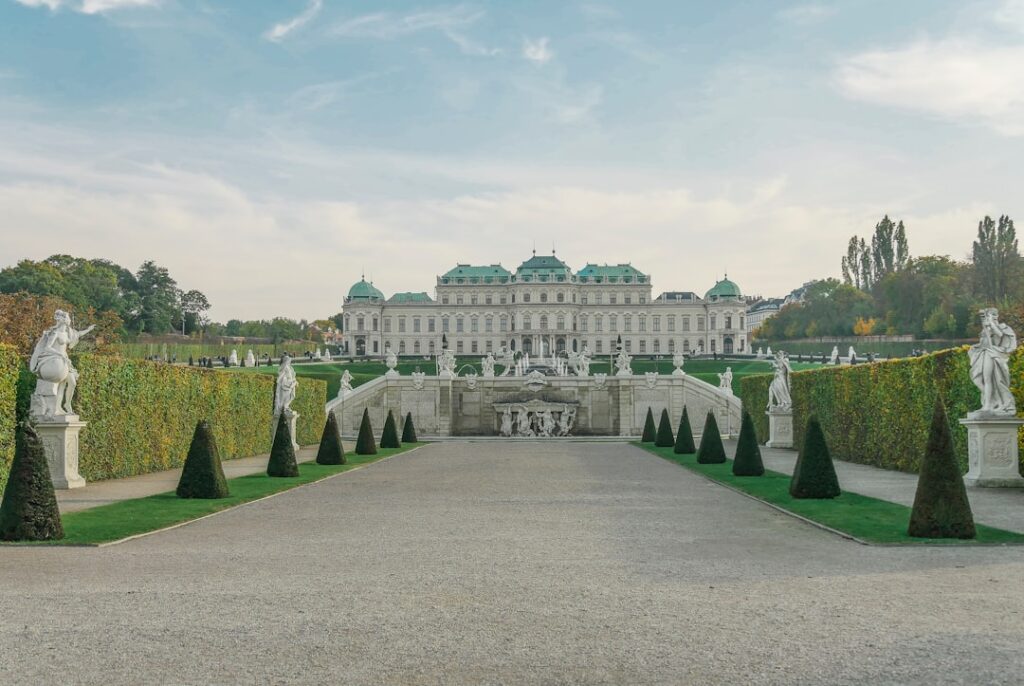
Landstraße (3rd district) and the area around the Belvedere combine elegant urban planning with architectural gems that feel less « postcard Vienna » than the imperial center. It’s a great day trip beyond the Ring to mix gardens, museums and contemporary architecture. You’ll also find Kunst Haus Wien (linked to Hundertwasser), which showcases Friedensreich Hundertwasser’s work alongside temporary exhibitions on contemporary art.
Belvedere — Prinz-Eugen-Straße 27, 1030 Wien. The Belvedere complex includes the Upper Belvedere (Oberes Belvedere) and the Lower Belvedere (Unteres Belvedere). Standard ticket for the Upper Belvedere (permanent collection + main exhibition): around €21 for adults; concessions for students and seniors (check belvedere.at). Hours: 10:00–18:00 (Mondays 10:00–21:00 depending on season; closed on certain holidays). The Belvedere gardens are extensive and free, offering stunning photo perspectives.
Kunst Haus Wien (Hundertwasser Museum) — Untere Weißgerberstraße 13, 1030 Wien. Adult ticket: about €14. Hours: 10:00–18:00, Thursdays until 21:00; closed on some holidays. The museum presents Friedensreich Hundertwasser’s work and temporary shows focused on ecological architecture and design. Nearby Hundertwasserhaus (Waldmühlgasse 34–38, 1030 Wien) is a famous residential building with an irregular façade; you can view it from the outside 24/7 for free, but please respect residents’ privacy.
Suggested route: start at the Lower Belvedere in the morning to avoid coach crowds, walk through the gardens and head to Kunst Haus Wien for about an hour. Continue to Hundertwasserhaus for exterior photos. Then stroll toward the embassy quarter and Landstraße with its cafés and local restaurants for lunch — Restaurant Landtmann (Dr.-Karl-Lueger-Ring 4) is more central, but Landstraße has good local alternatives.
Immersive tips: at the Belvedere, hunt for Gustav Klimt’s works (The Kiss is in the Upper Belvedere) and notice the play of perspectives between garden statues and the baroque façade. At Kunst Haus Wien, pay attention to textures and mosaic techniques; the building itself is part of the exhibition. For Hundertwasserhaus, pick morning or early afternoon to avoid crowds. Photographers will love the contrast of colors and curving forms.
Schönbrunn and Hietzing — imperial walks and heuriger on the hills
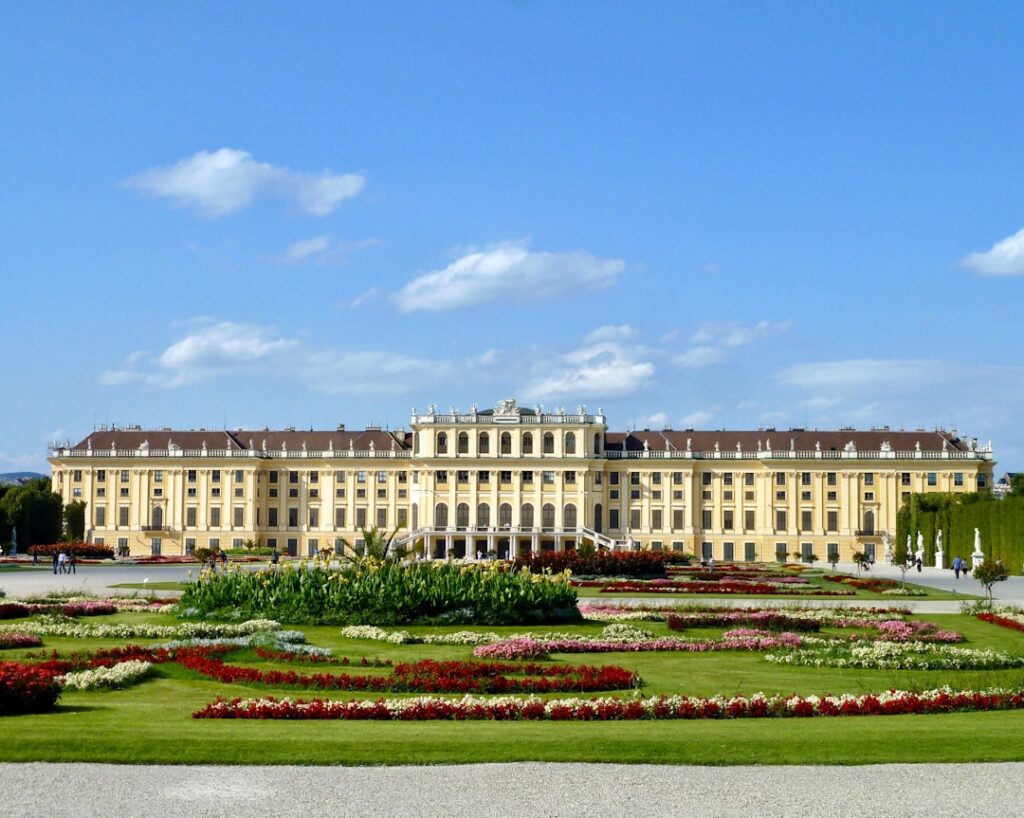
While Schönbrunn is one of Vienna’s major attractions, the surrounding area and the 13th district of Hietzing offer less conventional ways to approach the imperial palace. Beyond the classic tour of the apartments and main gardens, explore side paths, playgrounds, orangery areas, and end the day with a stop at a heuriger on the heights for a glass of local wine and a simple plate.
Schönbrunn Palace — Schönbrunner Schloßstraße 47, 1130 Wien. Prices: Classic Pass (imperial apartments tour + audio guide) about €24 per adult; gardens and park are free, some park attractions and the zoo have separate fees (Zoo Schönbrunn, Maxingstraße 13b, adult ticket about €22). Palace hours: 08:30–17:30 (times vary by season). Buying skip-the-line tickets online saves time, especially in high season (April–Sept).
Walk: start early to cross the gardens diagonally, visit the Gloriette (hill west of the palace) for panoramic views over Vienna (coffee at the Gloriette, coffee €3–€4). Descend toward the zoo if you are with kids; otherwise explore the quieter southeast paths where you’ll find peaceful corners and varied plantings.
Heuriger and views: head to the Nussberg or Grinzing areas to finish your day. Recommended heuriger: « Heuriger Beim Glanzl » — Grinzinger Straße 28, 1190 Wien. Typical hours: open from mid-afternoon (around 16:00) into the evening (22:00–23:00). Typical dishes: Brettljause (cold cuts/cheese platter) €8–€16, glass of Grüner Veltliner €3.50–€5. These taverns are convivial and often feature local music.
Local tips: combine an early palace visit with a picnic if you want to enjoy quiet spots. For heuriger, remember most open officially in late afternoon; weekend reservations are recommended. Travel from the center is easy on the U4 (direction Hütteldorf) to Schönbrunn or by tram to Hietzing.
Practical tips, transport and good habits
Getting around beyond the Ring is easy thanks to the efficient Wiener Linien network (U-Bahn, tram, bus). Here are the practical things to know when planning your alternative walks.
- Tickets and prices: A single ticket for Vienna public transport (Wiener Linien) costs around €2.60 (2024 price) for one trip. Day passes (24 hours) are about €8, a 48-hour pass around €14.50. Passes are valid across all urban transport (U-Bahn, tram, bus).
- Bikes and scooters: Numerous citybike stations and bike-sharing services operate; rates vary by provider and duration. Biking is ideal to link Neubau, Ottakring and some parks, but watch out for trams and cobblestones.
- Opening hours: Major museums typically open between 10:00 and 18:00; cafés and markets open early (6:00–7:00) and close at varying times (some bars close after midnight). Heuriger usually open in late afternoon and stay open late, but check before you go.
- Money and payments: Most cafés, restaurants and shops accept cards, but some markets and small stalls only take cash. Have some coins for small purchases; ATMs are plentiful across the city.
- Safety: Vienna is generally very safe; just keep usual vigilance in crowded spots or at night. The neighborhoods described remain lively but welcoming.
Good habits: favor walking to truly soak up neighborhood atmosphere; comfortable shoes are a must. For popular museums (Belvedere, Kunst Haus Wien, Schönbrunn) buy tickets online to avoid lines. Finally, leave space in your schedule for spontaneity: a market, a street concert or an unexpected exhibition may become the highlight of your trip.
Conclusion — Weaving off-Ring walks into your Vienna stay
Exploring Vienna beyond the Ring gives you a more authentic, less staged experience. The neighborhoods in this guide — Neubau and Spittelberg for creativity and cafés, Ottakring and Brunnenmarkt for the multicultural market and microbrewery scene, Landstraße and the Belvedere for surprising architecture, and Schönbrunn/Hietzing for a balance of imperial walks and hillside heuriger — each offer distinct, complementary atmospheres. Stepping away from the main tourist flow reveals places where Viennese life actually happens and everyday moments become cultural discoveries.
Practically speaking, a typical day might look like this: morning at Brunnenmarkt with street breakfast and a microbrewery visit in Ottakring, afternoon in Neubau for galleries and designer shops, evening in a heuriger in Grinzing or Nussberg. Another option is a day at the Belvedere and Kunst Haus Wien, finishing with a garden stroll and coffee at the Gloriette at sunset. Each option connects easily with public transport: U-Bahn and tram will get you back to the center in 15–30 minutes.
Before you go, keep these practical reminders in mind: buy museum tickets online for popular sites (Upper Belvedere, Kunst Haus Wien, Schönbrunn), carry some cash for markets, and check seasonal opening times (museums and heuriger sometimes change hours in low season). Above all, embrace a slower pace; the best way to enjoy these neighborhoods is to wander, pop into small shops, sample street food and, if the chance arises, chat with local vendors and artisans.
These alternative walks give Vienna another emotional map: less institutional pomp, more daily life, more encounters. They pair perfectly with visits to iconic sites and offer a richer understanding of the Austrian capital. Happy walking beyond the Ring — and above all: take your time to sit, listen and taste the city.