





Introduction: Why timing matters when visiting Vienna
Vienna, Austria’s capital, is a city of refined contrasts: imperial palaces, historic cafés, vast parks and a thriving cultural scene. Picking the right time for your first visit isn’t just about the weather — it shapes how you experience the sights, queue lengths, seasonal events, accommodation prices and the city’s overall vibe. For a first-time traveler, the goal is to balance pleasant weather, manageable crowds and unique events (concerts, markets, festivals) that make Vienna unforgettable.
This month-by-month guide, arranged by season, helps you plan your trip with practical details (opening hours, indicative prices, exact addresses), must-see highlights and local tips to get the most from your time. The information covers major attractions: Schloss Schönbrunn, St. Stephen’s Cathedral (Stephansdom), the Belvedere, the Kunsthistorisches Museum, the Hofburg, the Wiener Staatsoper (State Opera), the Prater, the Naschmarkt and quirky spots like Hundertwasserhaus. For each season you’ll find concrete itinerary suggestions, recommended time slots to avoid crowds, approximate entrance fees in euros and full addresses to help you navigate.
Beyond that: this guide includes local tips for enjoying Viennese cafés (typical prices for a coffee and a dessert), transport (metro tickets, day passes) and the Viennese way of life — walk slowly, savor a Sachertorte and leave time for music. Vienna is a city best discovered on foot or by U-Bahn (metro); curiosity is rewarded. Winter months bring magical Christmas markets and classical concerts, while summer invites outdoor concerts in parks and swimming in the Danube. Spring and autumn, less crowded, are ideal for exploring museums and palaces at a relaxed pace.
This guide doesn’t claim to be exhaustive but aims to give practical, up-to-date pointers for a first visit: official addresses, typical opening times, estimated entrance fees and handy tips. Pack according to the season, pre-book popular events (operas, guided tours) and always leave half a day for the unexpected — a surprising culinary find, a street performance or a temporary exhibition that captivates you. Start reading the seasonal sections below and picture your first walk along Vienna’s grand avenues, the scent of Viennese coffee and the sound of an orchestra in the distance.
Winter (December–February) – Christmas markets, concerts and winter charm
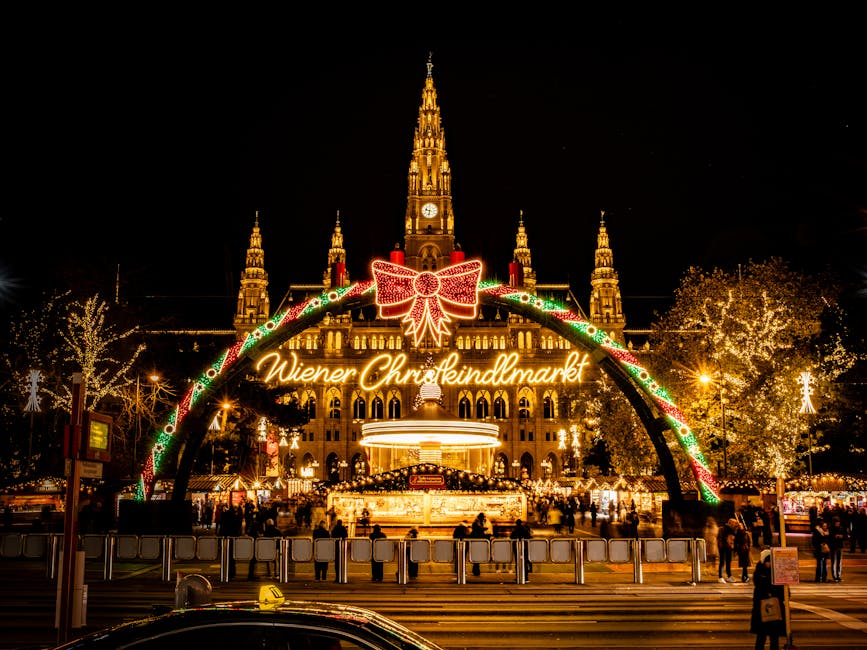
Winter in Vienna means Christmas markets, classical music and cozy atmospheres inside imperial cafés. December is the peak tourist month for visitors drawn to the Christkindlmarkt and the festive lights. The market in front of the City Hall, the Wiener Christkindlmarkt at Rathausplatz (Rathausplatz 1, 1010 Wien), is one of the most iconic. Usually open from mid-November to the end of December, it features artisanal stalls and seasonal food. Typical opening hours: daily 10:00–21:00; some evenings until 22:00. Entry is free, and a hot drink (e.g. Glühwein) costs around €3.50–€5.00.
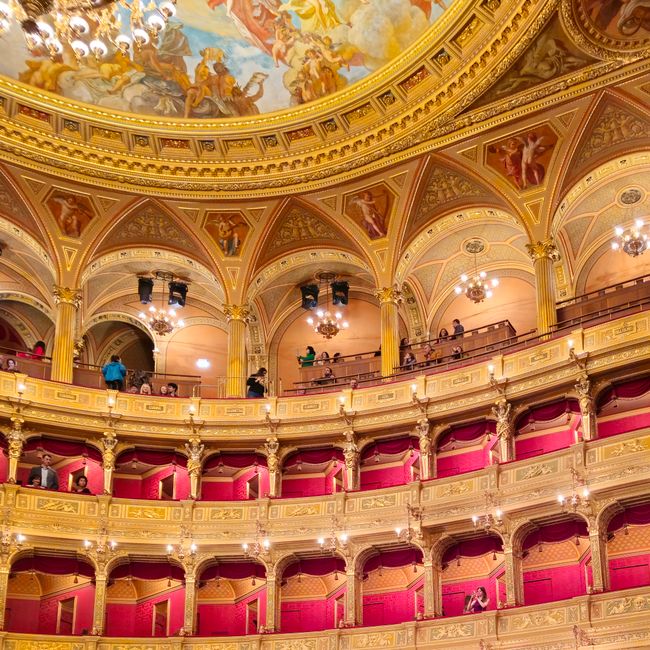
If you’re after a classical concert, the Wiener Staatsoper (Vienna State Opera, Opernring 2, 1010 Wien) runs performances through December to February, but tickets can be pricey (€15 for standing places up to €200+ for premium seats). Guided tours of the opera house cost about €12–14 and last 40–50 minutes; they typically run at 10:00 and 16:00 depending on the schedule. Book ahead when possible.
For an imperial indoor experience, Schloss Schönbrunn (Schloss Schönbrunn, Schönbrunner Schloßstraße 47, 1130 Wien) offers interior tours: the Classic Pass (Grand Tour + maze & Gloriette) is roughly €28.50 for an adult (indicative price). Winter opening hours are usually 8:30–17:00, but check the official site. The park is free and magical under snow; the view from the Gloriette is especially dramatic on a clear day. Also visit the Sisi Museum at the Hofburg (Hofburg, Michaelerkuppel, 1010 Wien). The Sisi Museum + Imperial Apartments costs about €15–18; typical hours are 9:00–17:00.
On the food side, duck into iconic indoor cafés like Café Central (Herrengasse 14, 1010 Wien) — a classic; expect a coffee and a slice of Sachertorte to cost around €8–12. Seasonal restaurant menus often feature comforting dishes: Tafelspitz (boiled beef) or apfelstrudel. For a budget-friendly local option, the Naschmarkt (Naschmarkt, 1060 Wien) is open year-round with fresh food stalls and small restaurants, typically from 6:00–19:30 (individual vendors vary).
Local tips: dress in layers and wear slip-resistant shoes (sidewalks can freeze). Book opera or Musikverein (Musikverein, Musikvereinsplatz 1, 1010 Wien) concert tickets in advance — the famous New Year’s Concert on January 1st sells out fast and is expensive. To avoid crowds, visit museums in the morning (Kunsthistorisches Museum, Maria-Theresien-Platz, 1010 Wien; entrance about €18; typical hours 10:00–18:00) and spend afternoons browsing cafés and bookshops.
Spring (March–May) – Blossoms, parks and museums without the summer crowds
Spring is often one of the best times to visit Vienna: mild temperatures (around 8–18 °C), blossoming trees and fewer tourists than in summer. March can still be chilly, but from April terrace season revives. The gardens at Schönbrunn Palace (Schönbrunn Palace, Schönbrunner Schloßstraße 47, 1130 Wien) are especially lovely: the walk up to the Gloriette offers great views, and the baroque gardens are perfect for photos. Park access is free; an interior palace ticket is required for inside tours (Classic Pass ~€28.50 in high season; prices vary by option).
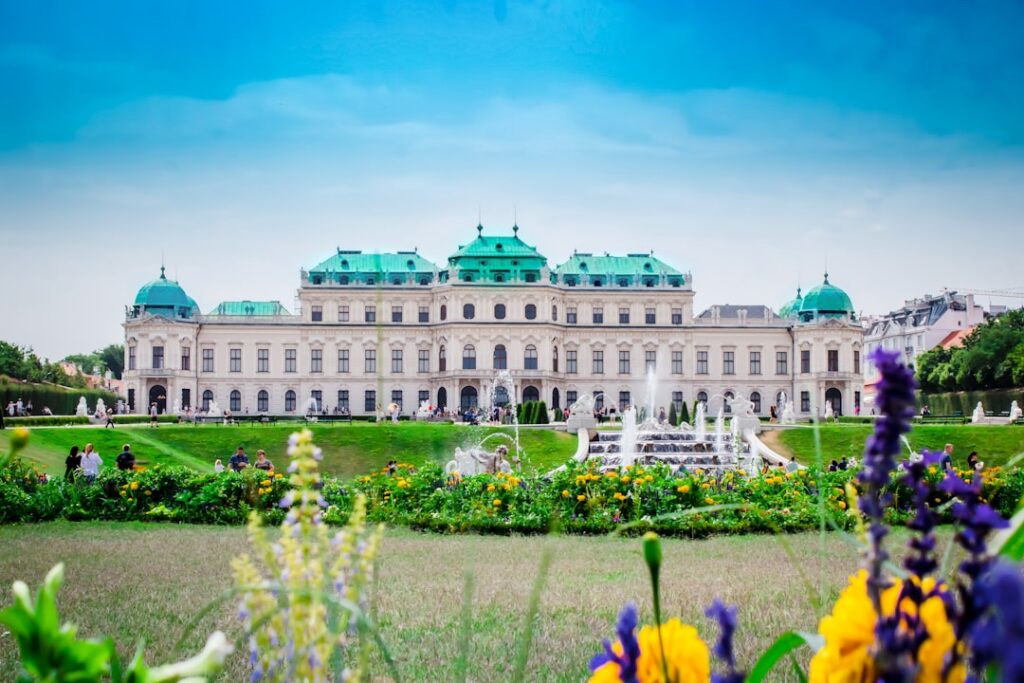
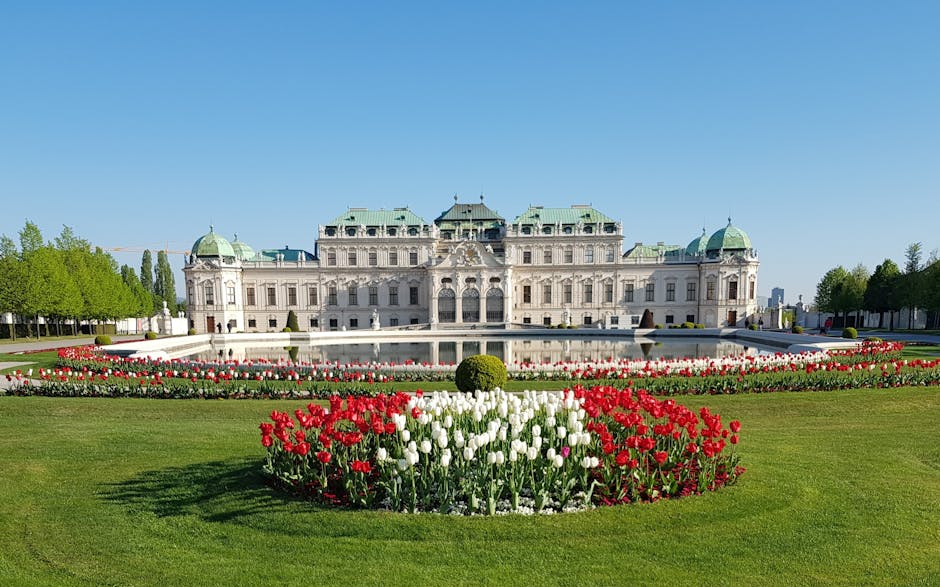
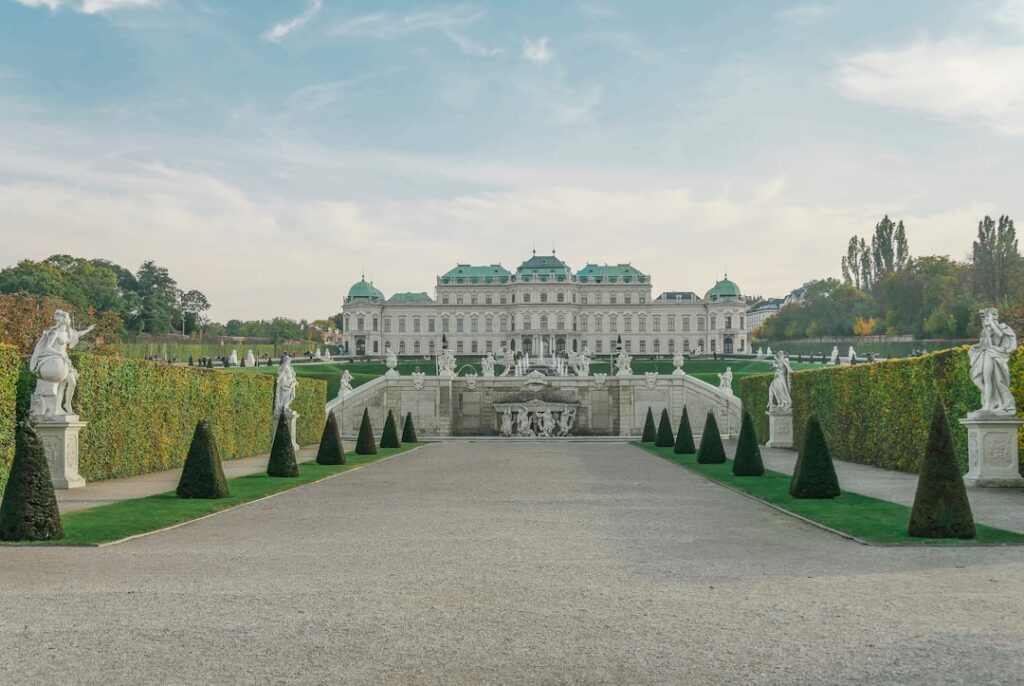
Visiting the Belvedere in spring (Belvedere, Prinz Eugen-Straße 27, 1030 Wien) lets you combine art with gardens: the Upper Belvedere houses Gustav Klimt’s famous painting The Kiss. Admission varies: Upper Belvedere ticket roughly €16; combined Upper + Lower about €22. Typical opening hours: 10:00–18:00; Wednesdays often open later (until 21:00). The Belvedere gardens are free and stunning in spring.
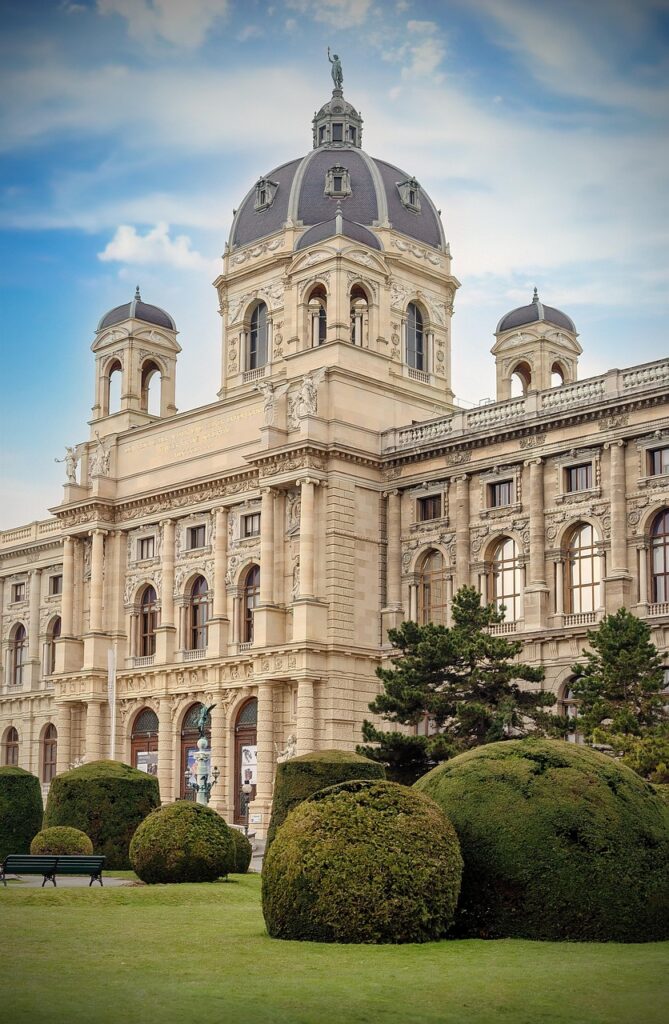
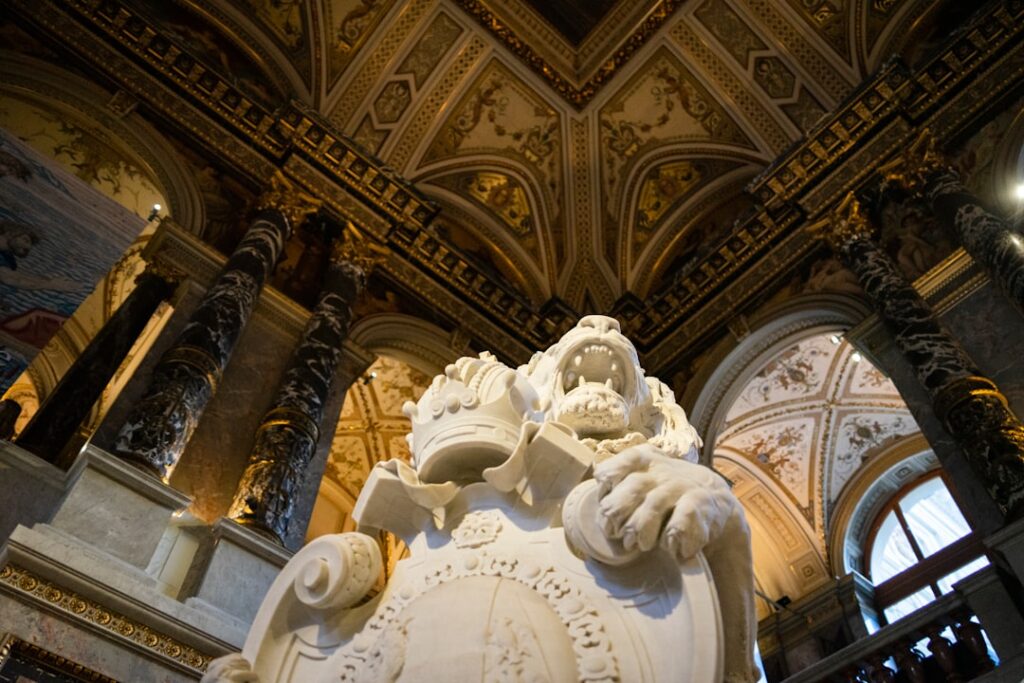
Spring is also a great season for museum visits without long waits. The Kunsthistorisches Museum (Kunsthistorisches Museum Wien, Maria-Theresien-Platz, 1010 Wien) displays impressive imperial collections; entry around €18, typically open 10:00–18:00 (Wednesdays until 21:00). Tip: arrive at opening time to enjoy the major rooms before crowds build.
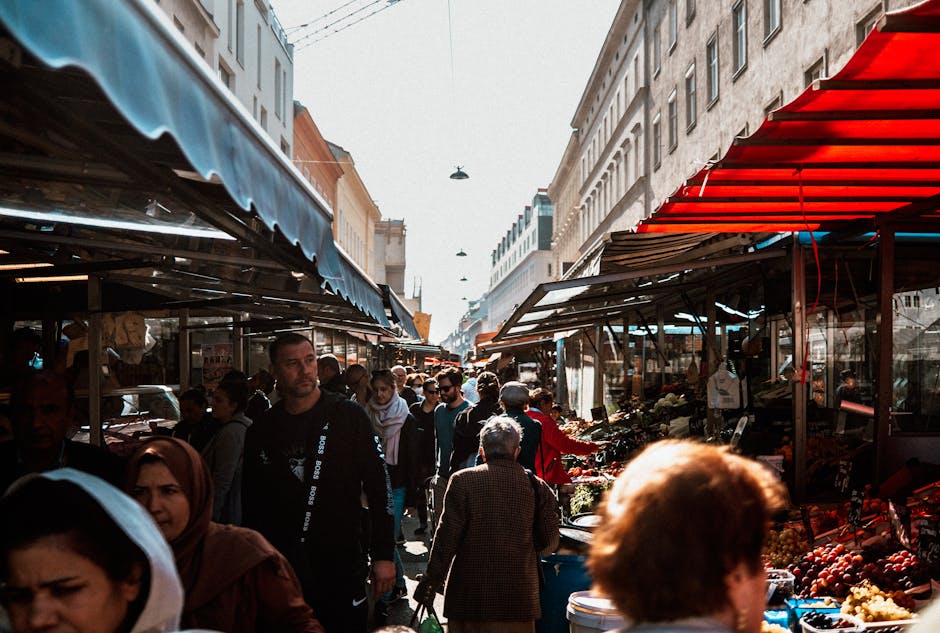
To soak up local life, wander the Naschmarkt (Naschmarkt, 1060 Wien) on a spring Saturday: fresh produce stalls, outdoor cafés and small restaurants create a lively atmosphere. The market sits along Wienzeile at 1060 Wien and is open daily, with the biggest concentration of stalls on Saturdays (hours roughly 6:00–19:30; restaurants open later).
Recommended activities: rent a bike along the Danube (Donauinsel), visit the Prater and ride the Giant Ferris Wheel (Wiener Riesenrad, Riesenradplatz 1, 1020 Wien) — adult ticket about €13; typical hours 10:00–23:45 (seasonal variations). Spring also brings outdoor concerts and cultural festivals. For a more casual musical experience than the opera, check the program at Haus der Musik (Haus der Musik, Seilerstätte 30, 1010 Wien): admission about €15, open 10:00–18:00.
Local tips: bring a light rain jacket and comfortable shoes — spring weather can change quickly. Hotel prices start climbing in May; for better deals aim for March–April. Book popular guided tours (Schönbrunn, Belvedere, Staatsoper) online to skip lines. If you’re on a budget, consider the Vienna City Card or a public transport pass (Wiener Linien 24/48/72h): 24h ~€8.00; 48h ~€14.10; 72h ~€17.10.
Summer (June–August) – Outdoors, festivals and long days
Summer is Vienna’s high season. Days are long, parks buzz with life, and numerous festivals fill the calendar. It’s the best time for outdoor spaces: garden concerts, swimming spots on the Danube and strolls through the many parks and avenues. Expect more visitors and higher accommodation prices.
Summer highlights include the Prater (Prater, Praterstern, 1020 Wien). The Wiener Riesenrad — the historic Giant Ferris Wheel — gives panoramic city views; adult ticket around €13; hours usually 10:00–23:45 and extended on summer evenings. For an afternoon of music, attend outdoor concerts on Rathausplatz (Rathausplatz, 1010 Wien) or check out events like Donauinselfest (Danube Island festival) if your dates line up (free event; dates vary).
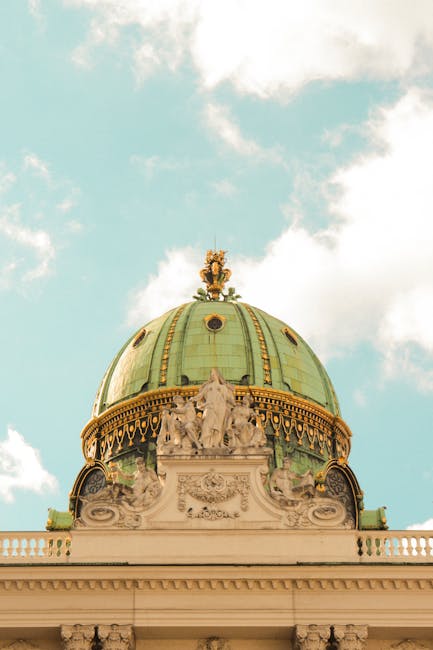
Museums also host major temporary exhibitions in summer. The Kunsthistorisches Museum and the MuseumsQuartier (MuseumsQuartier Wien, Museumsplatz 1, 1070 Wien) are great shady escapes from the heat. Cafés and shopping streets stay lively late into the evening. The Hofburg (Hofburg, Michaelerkuppel, 1010 Wien) and its museums (Sisi Museum, Imperial Apartments) remain open: combined tickets roughly €15–18, hours 9:00–17:30 (may extend).
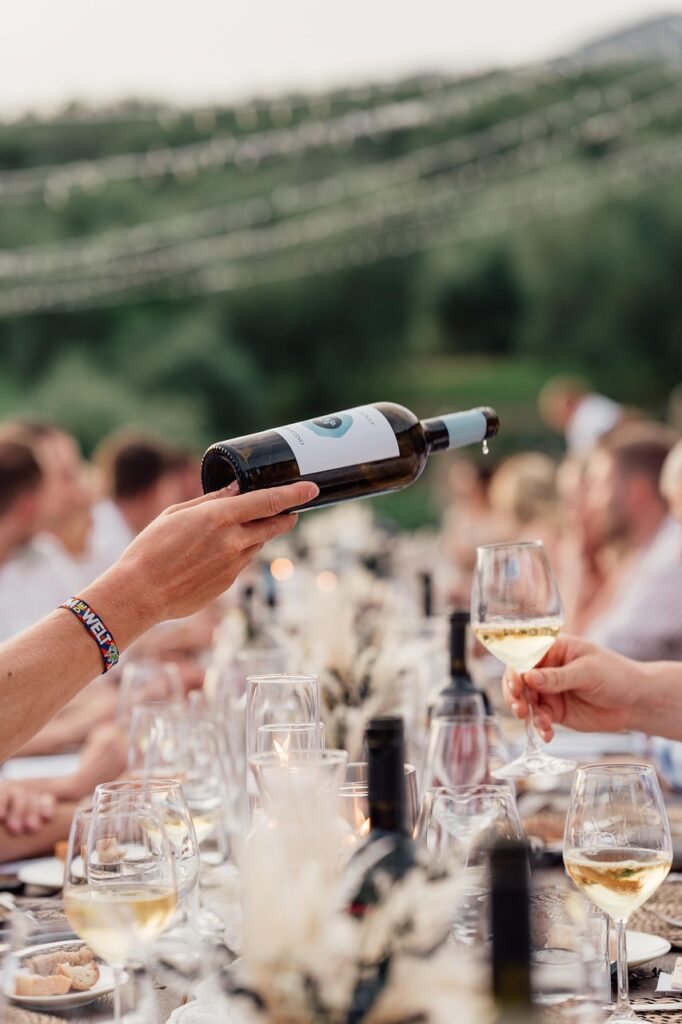
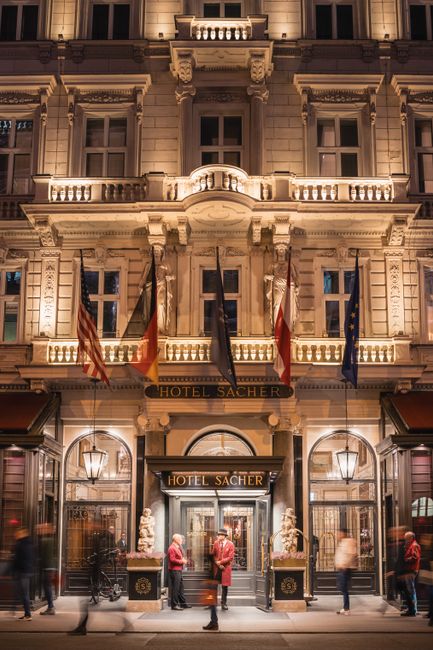
On food: enjoy terrace dining — a good dinner at a solid restaurant averages €25–45 per person (excluding wine). For a sweet break, a slice of Sachertorte at Café Sacher (Hotel Sacher Wien, Philharmonikerstraße 4, 1010 Wien) is about €7–9; coffee ~€4–5. For a more local and affordable experience, head to an heuriger (traditional wine tavern) in the outskirts (Grinzing, 1190 Wien), where a glass of wine costs about €3–6.
Practical tips: book accommodation and popular attractions (opera, big concerts) months in advance. Public transport (U-Bahn, tram, bus) runs efficiently; a single ticket costs about €2.40 (buy at machines or via app). To avoid the heat, visit museums and palaces late morning and enjoy long summer evenings for dinner and strolls. Bring a reusable water bottle — drinking fountains are common around the city.
Autumn (September–November) – Golden light, harvests and softer prices
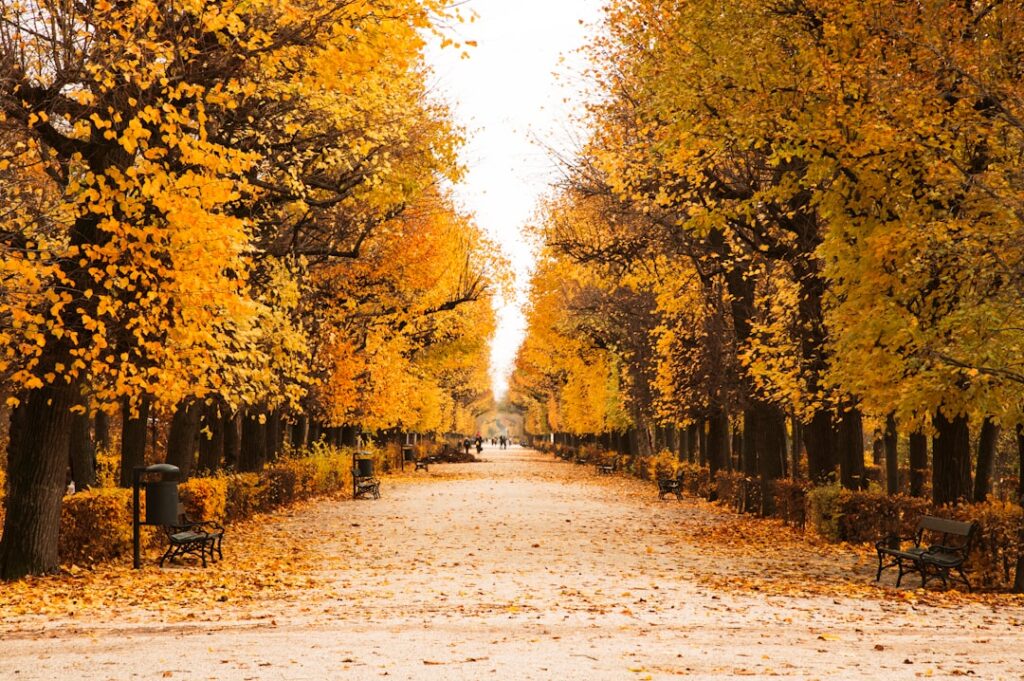
Autumn in Vienna is particularly alluring: leaves turn golden, vineyards around the city host harvests and tastings, and the crowds ease off after summer. September stays mild (15–22 °C) and is perfect for late outdoor concerts and cultural season openings.
For art lovers, the cultural season kicks off with new performances at the Opera (Wiener Staatsoper, Opernring 2, 1010 Wien) and the Musikverein (Musikvereinsplatz 1, 1010 Wien): ticket prices vary widely, from €15 for basic seats to several hundred euros for premium categories. Guided tours of the opera are about €12–14, and it pays to book weekend performances early.
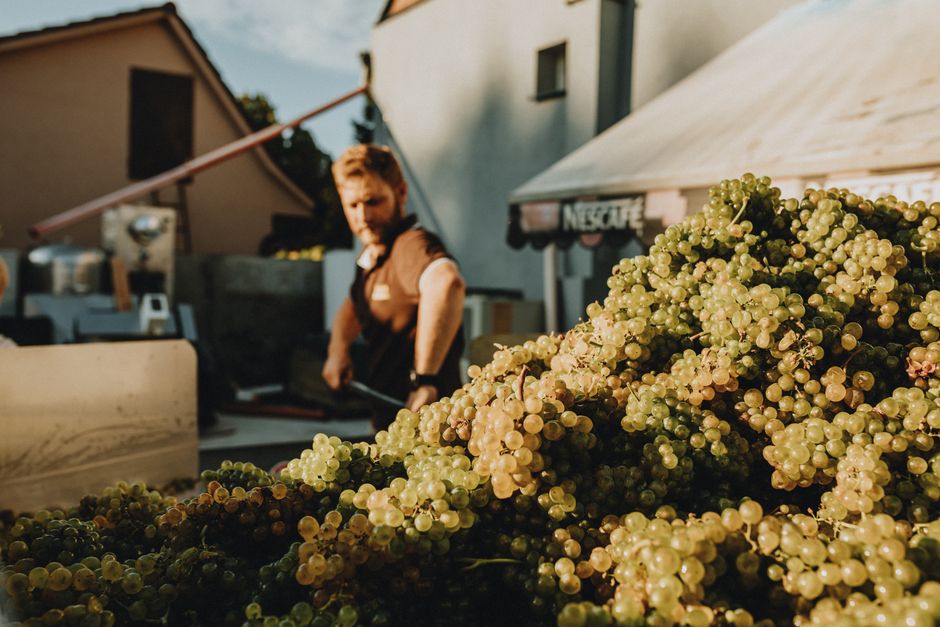
Autumn is also harvest season in the heurigen wine villages around Vienna. Grinzing (1190 Wien) and Nussdorf (1190 Wien) have taverns serving Austrian wines and traditional dishes — perfect for a relaxed early-evening meal; expect €20–35 per person for a full meal.
Museums remain very visitable: the Belvedere (Prinz Eugen-Straße 27, 1030 Wien) and the Kunsthistorisches Museum (Maria-Theresien-Platz, 1010 Wien) are less crowded than in summer, and temporary exhibitions are often refreshed in autumn. Typical entrance fees: Upper Belvedere ~€16, Kunsthistorisches ~€18. Usual hours are 10:00–18:00; some venues close earlier in November.
Local tips: enjoy walks along the Ringstraße and the Danube canal in the warm golden light of evening. Hotel prices start to drop in November — a good time for bargains. Dress in layers as mornings and evenings can be cool. For a more intimate cultural experience, choose concerts in smaller venues (Wiener Konzerthaus, Lothringerstraße 20, 1030 Wien) where acoustics and proximity make performances special.
Practical tips for a first visit: transport, accommodation, budget and local hacks
Planning your first trip to Vienna means getting a handle on a few practicalities: how to get around, where to stay by budget, how much to plan for and how to make the most of your route. Here are concrete, immediately usable pointers.
Transport
- Metro / Tram / Bus (Wiener Linien): single ticket €2.40 (valid 1 hour with unlimited transfers), 24h ~€8.00, 48h ~€14.10, 72h ~€17.10. Machines at stations accept cards and cash. The U-Bahn generally runs from 05:00 until midnight on weekdays, extended on Fridays and Saturdays until 01:00–02:00. Night network (Nightline) covers some routes overnight.
- Taxi / Rideshare: starting fares around €4.00–5.00 plus €1.10–1.50/km. Official taxis are often white with a « Taxi » sign; Uber and other apps operate but may be limited by zone.
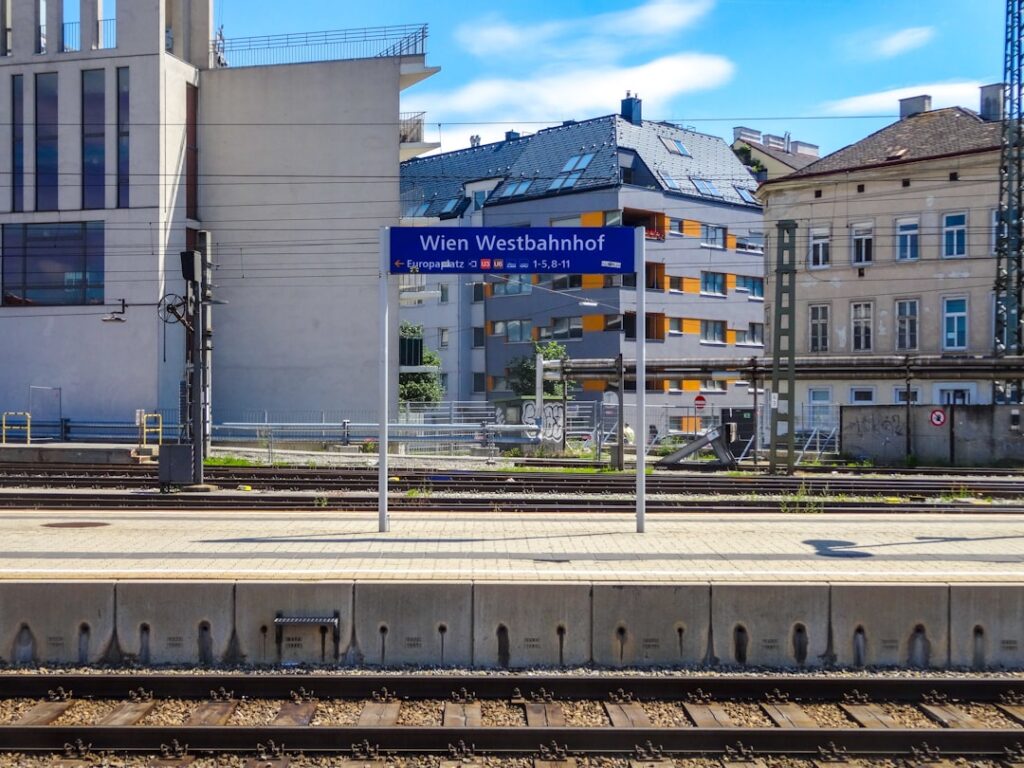
- Train from the airport: City Airport Train (CAT) non-stop Wien Mitte – Flughafen Wien costs about €12–13 one-way and takes 16 minutes. The S-Bahn (S7) costs about €4.20 and takes ~25 minutes.
Accommodation
- Budget: hostels and small hotels €50–100/night depending on season (e.g. Wombats City Hostel, Mariahilfer Straße 133, 1150 Wien).
- Mid-range: 3–4 star central hotels roughly €120–220/night depending on dates (e.g. Hotel Beethoven Wien, Hietzinger Hauptstraße 10, 1060 Wien).
- High-end: 4–5 star hotels €250–600+/night (e.g. Hotel Sacher Wien, Philharmonikerstraße 4, 1010 Wien).
Book ahead during peak season (June–August, December). Choose accommodation near a U-Bahn station to maximize sightseeing time.
Estimated daily budget (per person)
- Basic: €60–85/day (hostel, cheap meals, public transport, a few paid attractions).
- Comfort: €130–220/day (3–4* hotel, restaurant meals, museum entries, occasional concert tickets).
- Comfort+: €250+/day (luxury hotel, multiple operas/concerts, fine dining).
Tip: the Vienna City Card (48h/72h) can include discounts on museums and tours — do the math for your itinerary. Buying museum tickets online avoids queues; check for special hours on public holidays (e.g. January 1, May 1).
Conclusion: Pick the perfect time based on what you want
Vienna has something special to offer year-round: winter enchants with Christmas markets and concerts, spring and autumn charm with their light and relative calm, and summer invites full enjoyment of outdoor life and festivals. For a first visit, think about your priorities: do you want the festive musical buzz of December, the gentle bloom of spring gardens, long summer evenings or the golden atmosphere of autumn? Each season brings tangible benefits — shorter museum lines, major cultural events, better hotel deals or outdoor activities.
On the practical side, plan museum and palace visits for early mornings to avoid crowds, pre-book high-demand events (Wiener Staatsoper, Spanish Riding School, major exhibitions) and dress for the season: comfortable shoes and layers in winter/spring/autumn; light clothes and a water bottle for summer. Use the Wiener Linien network (U-Bahn/tram) or the City Airport Train for quick transfers. Budget for at least one musical experience (even a small performance or guided visit at €12–20 is often worth it), wine at a heuriger and entrance to a couple of major museums (Kunsthistorisches ~€18, Belvedere ~€16, Schönbrunn tours ~€24–30 depending on options).
Finally, remember Vienna is best enjoyed slowly: leave room for small pleasures — a coffee, a pastry, a walk along the Danube or through the Belvedere gardens, and an evening concert in an intimate venue. These unplanned moments often become the most treasured memories of a first visit. Whatever time you choose, Vienna will welcome you with its unique blend of imperial elegance, contemporary creativity and warm hospitality. Have a great trip and enjoy discovering Austria’s capital.