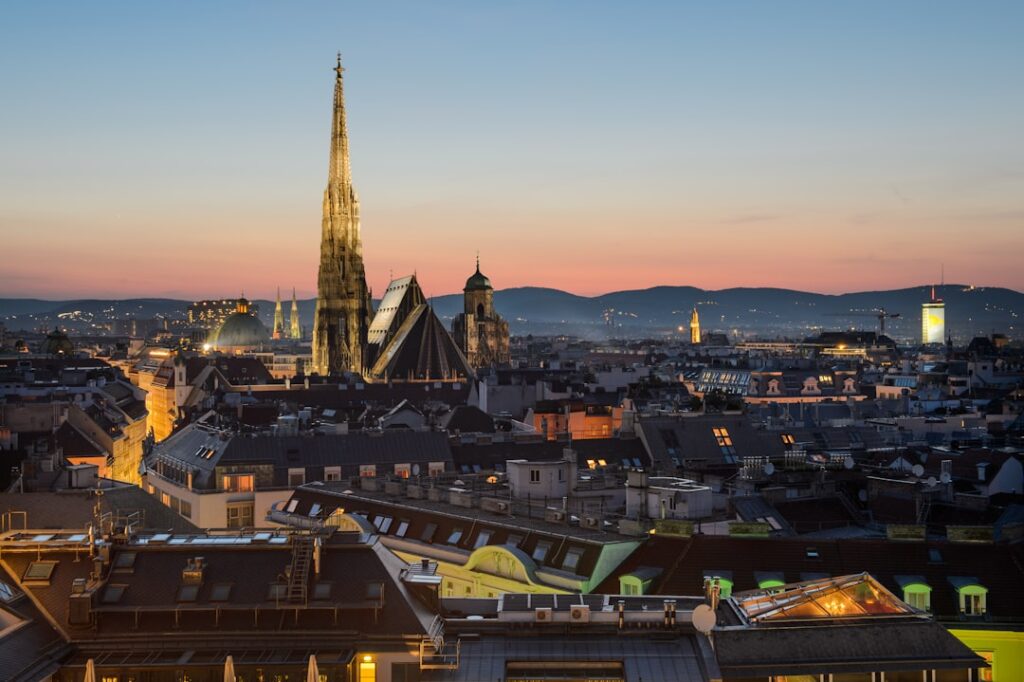






Introduction — Picking the Best Month for Vienna Based on What You Want
Vienna is a city of many faces: its museums house masterpieces of painting and decorative arts, its concert halls echo with opera and symphonies, and its avenues, parks and markets invite slow, delicious strolls. But when should you go to make the most of these different sides? The month you choose affects the experience: crowds, weather, opening hours, musical events and even ticket and accommodation prices vary widely by season. This guide helps you pick the best month for Vienna according to three main traveller profiles: the museum lover, the classical music fan and the person who wants to wander the city and eat well.
For each profile I’ll list must-see spots (with exact addresses), typical ticket prices, essential opening times and local tips to make the most of your visit. You’ll also find practical info like the best times to avoid crowds, alternatives in bad weather, and how to combine museums, concerts and walks into a well-balanced day. This guide is meant to be practical and actionable: instead of just saying “spring” or “winter,” I’ll tell you which specific months offer the best trade-offs depending on your main motivation.
Whether you dream of wandering the richly decorated rooms of the MuseumsQuartier or booking a seat at the Musikverein to hear a Viennese orchestra, you can plan around the season to maximize quality, price and comfort. I’ll also cover logistics: when to buy tickets in advance, which times to aim for to avoid crowds, and how to pair an afternoon at a museum with an evening concert without rushing. Finally, I’ll tuck in some local tips — cafés you shouldn’t miss, the best tram routes, and small gestures that make a visit feel more authentic.
Museums: Best Months for Exhibitions and Crowds (Spring & Autumn Recommended)
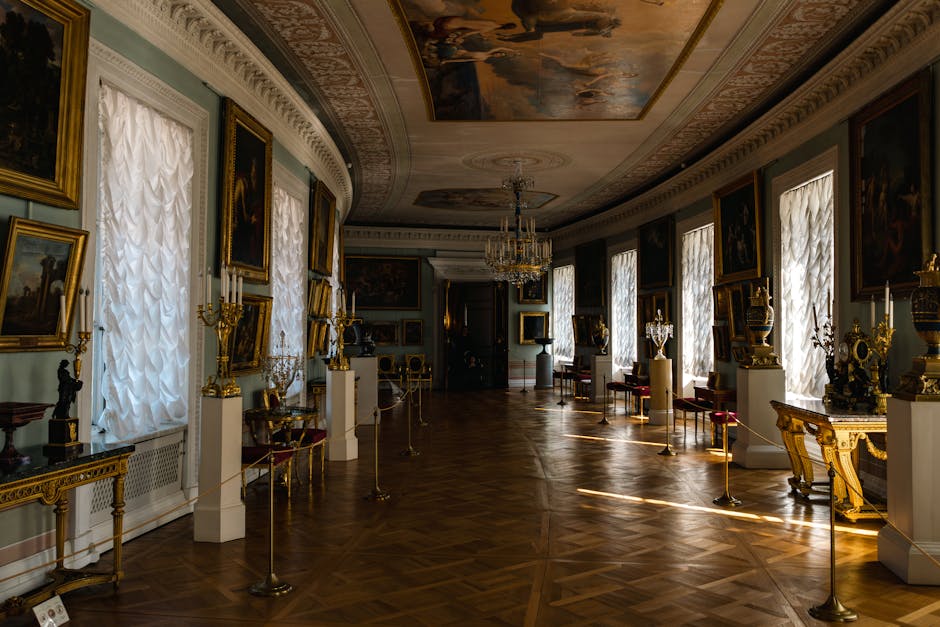
If your priority is visiting Vienna’s museums (painting, decorative arts, history), May, September and October offer an excellent balance: pleasant weather, some extended opening hours and fewer visitors than peak summer. Here’s a selection of museums and practical details.
- Kunsthistorisches Museum Wien — Maria-Theresien-Platz, 1010 Wien. Hours: Tue–Sun 10:00–18:00, Wed until 21:00. Typical price: full €18.00 / reduced €13.00 (prices vary by exhibition). Description: Habsburg imperial collections, paintings by Bruegel, Raphael, Rubens, and decorative arts. Tip: book online to skip the line, and start with the Flemish paintings in the morning when the natural light is gentlest.
- Albertina — Albertinaplatz 1, 1010 Wien. Hours: daily 10:00–18:00, Wed 10:00–21:00. Price: temporary exhibitions €18.00–€23.00 depending on the show. Description: drawings, prints and modern collections; great views over the Innere Stadt from the terrace. Tip: pair your visit with coffee at Café Sacher (Philharmoniker Straße 4) to taste the authentic Sachertorte.
- Belvedere (Upper Belvedere) — Prinz Eugen-Straße 27, 1030 Wien. Hours: daily 10:00–18:00. Price: Upper Belvedere €17.00, combined €25.00 (varies by exhibition). Description: Klimt’s “The Kiss” and key Austrian art collections. Tip: the Belvedere gardens are free and ideal for a photo break in the late afternoon.
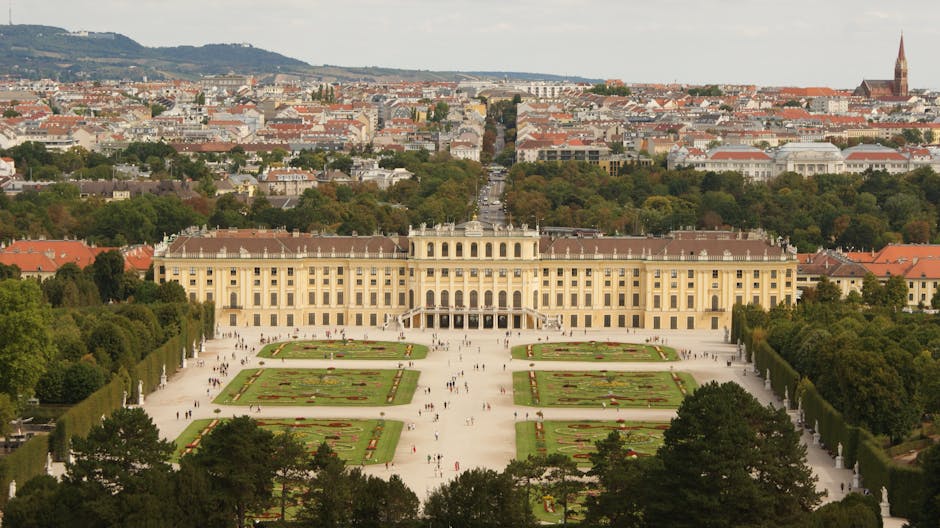
- Schloss Schönbrunn (State Rooms and Imperial Tour) — Schönbrunner Schloßstraße 47, 1130 Wien. Hours: palace 8:30–17:30 (seasonal), gardens free. Price: Classic Pass from €22.00–€26.00 depending on options. Description: imperial apartments, the Gloriette and formal gardens. Tip: visit early in the morning to avoid tour groups, then stroll the park for a picnic lunch at Café Restaurant Residenz (Schönbrunn).
- MuseumsQuartier (MQ) — Museumsplatz 1, 1070 Wien. Hours: vary by institution (Leopold Museum, MUMOK). Price: Leopold Museum full €14–€16, MUMOK full €12–€14. Description: the contemporary museum hub, with cafés and outdoor spaces. Tip: autumn afternoons are pleasant for sitting in the MQ and enjoying temporary shows that are less crowded than in July.
Practical museum tips: prefer weekdays (Tue–Thu) and avoid Saturdays and public holidays. In May and September some exhibitions extend hours until 21:00 on Wednesdays, which is perfect for combining a museum visit with dinner. Finally, buy skip-the-line tickets online for major sites; this often saves 20–30 minutes in high season.
Concerts & Classical Music: When to Book and the Atmosphere (December, January, May)
Vienna is synonymous with classical music: orchestras, opera and chamber concerts run year-round. Depending on whether you want to hear the Philharmonic, attend a historic opera or enjoy chamber music, some months are more favourable than others.
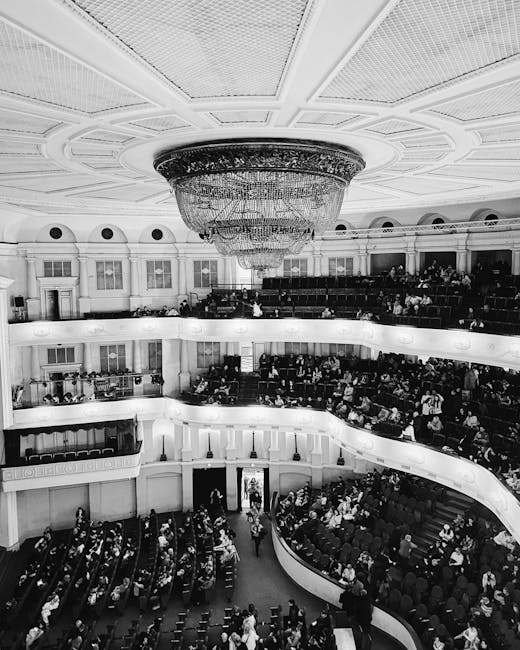
December and January are unbeatable for atmosphere: Christmas and New Year concerts, festive programs and lots of waltzes and Strauss. Note: this period is also the most in-demand. Book tickets months in advance for venues like the Musikverein (Musikvereinsplatz 1, 1010 Wien) or the Wiener Staatsoper (Opernring 2, 1010 Wien).
- Musikverein — Musikvereinsplatz 1, 1010 Wien. Tickets: concerts from around €30 for upper-tier seats up to €200 for the best seats; guided tours about €14. Concert times: vary by program, often 19:30–20:30 for evening concerts. Description: the golden hall famed for its acoustics. Tip: check the official schedule and favour weekday performances for sometimes lower prices.
- Wiener Staatsoper (Vienna State Opera) — Opernring 2, 1010 Wien. Tickets: seated €10–€250; standing tickets from about €3–€13 depending on the performance. Times: most performances start 19:00–19:30; guided tours 9:00–16:00 (days vary). Description: a historic opera house with an international repertoire and backstage tours. Tip: try for same-day standing tickets for an authentic experience on a budget.
- Konzerthaus Wien — Lothringerstraße 20, 1030 Wien. Tickets: €20–€120. Times vary. Description: a wide-ranging program including orchestras and contemporary music. Tip: season subscriptions and package deals can lower the price if you plan to attend multiple concerts.
The best month to combine musical quality and accessibility is often May: the concert season is still active, tourist numbers are more reasonable, and you can often find mid-priced tickets if you book a few weeks ahead. For chamber music lovers, October and November offer rich seasons without the holiday pressure. If your schedule is flexible, look for matinees or early afternoon concerts for reduced prices and a more intimate vibe.
Strolls, Markets & Nature: Best Months to Wander (April and September Highly Favoured)
If you’re coming to walk, explore markets and enjoy Vienna’s parks, prioritise April or September: pleasant temperatures, trees in bloom or autumn colour, and fewer tourists than in summer. Here are routes, spots and concrete tips.
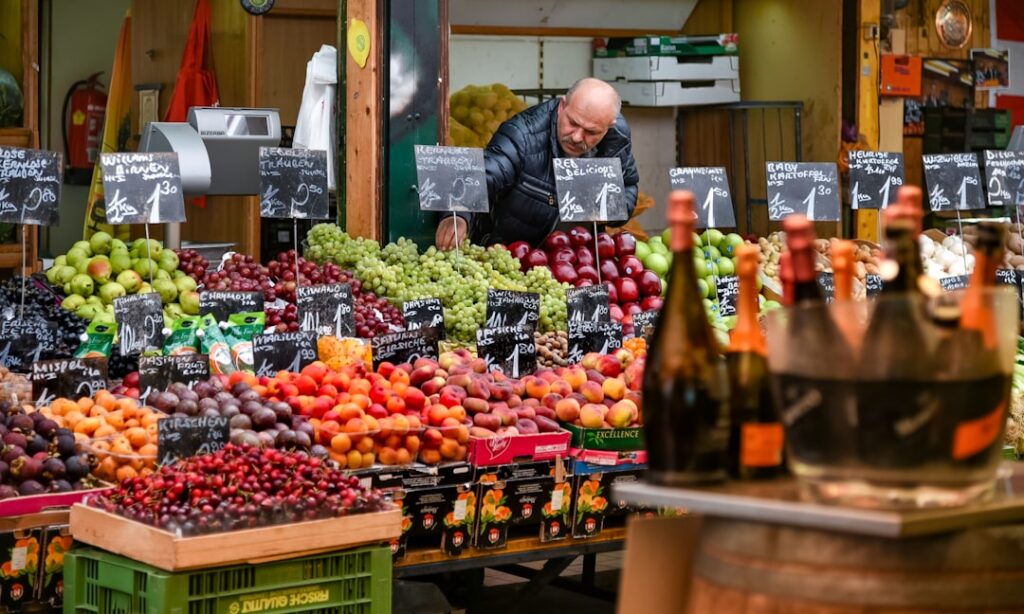
- Naschmarkt — Wien, Naschmarkt, 1060 Wien (between Karlsplatz and Kettenbrückengasse). Hours: Mon–Sat 06:00–19:30 (most stalls closed Sunday). Description: historic food market with fresh produce, spices, restaurants and international cuisine. Tip: come late morning for brunch and sample specialties at Zum Schwarzen Kameel (Bognergasse 5) or from mezzé stalls. Price guide: dishes €6.00–€20.00 depending on stall/restaurant.
- Prater & Wiener Riesenrad — Riesenradplatz 1, 1020 Wien. Ferris wheel hours: daily roughly 10:00–23:45 (seasonal). Ferris wheel ticket: around €13.50 adult. Description: historic urban park, shaded allées, rides and long promenades. Tip: walk in the morning to see local joggers and stop at Prater Hauptallee for a coffee break in a modern Heuriger.
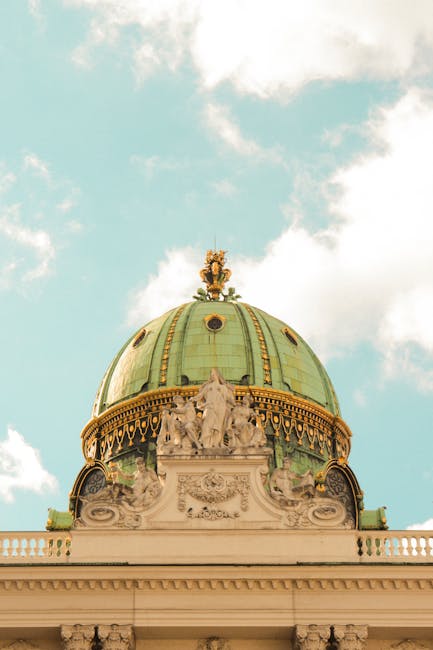
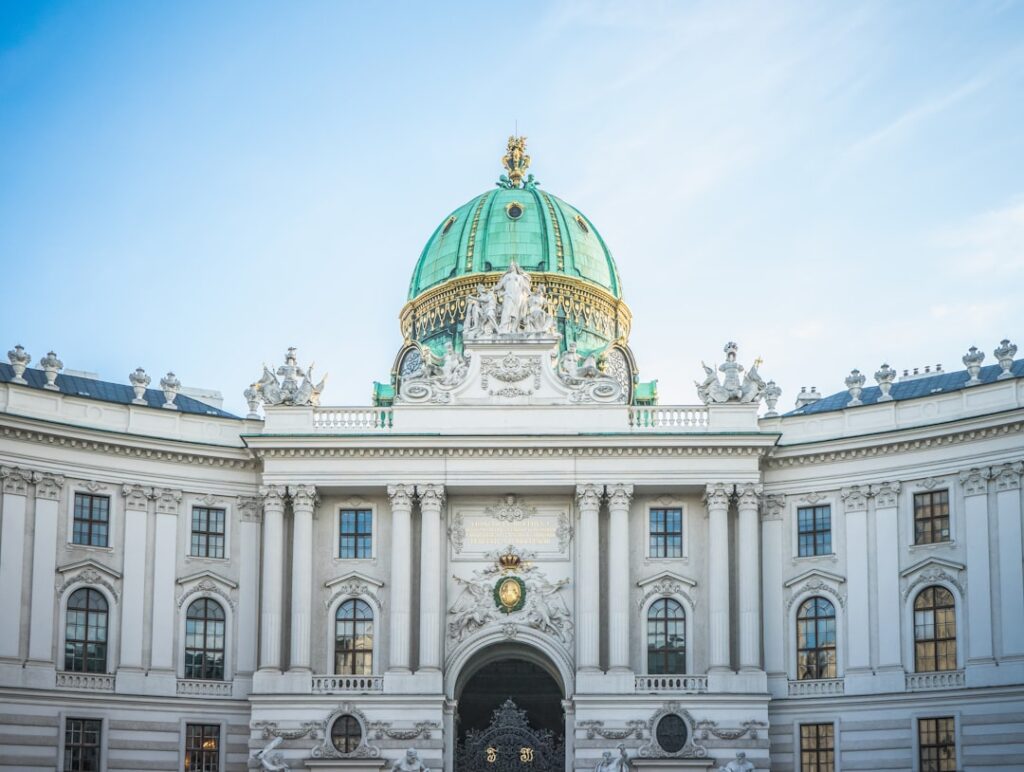
- Hofburg & Burggarten — Michaelerkuppel/Hofburg, 1010 Wien. Garden hours: open; some nearby attractions have varying hours. Description: historic core, imperial gardens, rose beds and statues. Tip: start in the Burggarten in the morning and walk to Stephansdom on foot to soak up the old town atmosphere.
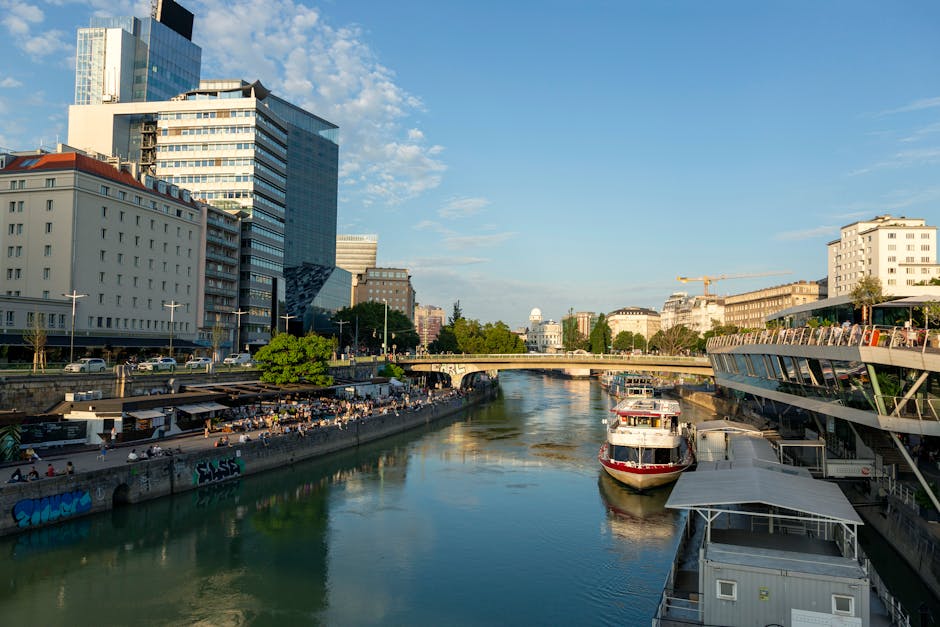
- Donaukanal — Donaukanal promenade, 1020 Wien. Hours: accessible all day. Description: leafy banks, street art and summer bars. Tip: rent a bike to follow the cycle path and stop at kiosks for a drink (prices €3.00–€8.00).
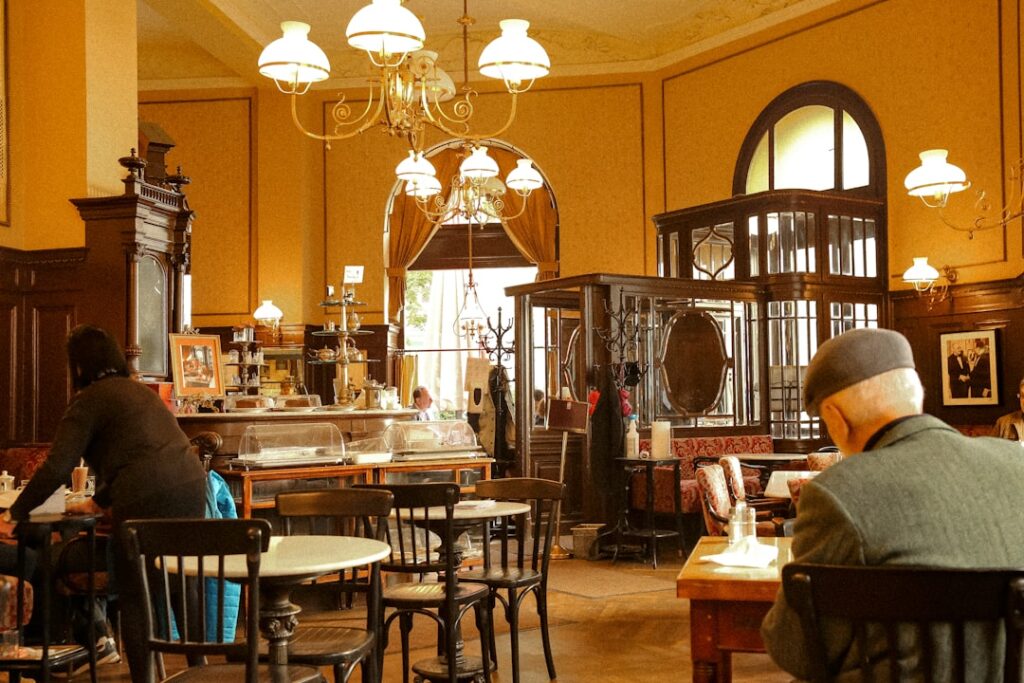
Local tips: always carry a compact umbrella in spring and autumn — showers can be short but heavy. Bring good walking shoes — the city center’s cobblestones demand decent cushioning. To save money, buy a Vienna City Card (24 h about €17.00, 48 h about €25.00, 72 h about €29.00) which combines unlimited transport and discounts at museums and attractions. Also, enjoy traditional coffee houses like Café Central (Herrengasse 14, 1010 Wien) for a cultural pause: open daily 07:30–23:00, dishes €5.00–€18.00.
Practical Tips and a Month-by-Month Summary
To help you decide quickly, here’s a practical month-by-month summary with advantages, downsides and specific recommendations for museums, concerts and strolling.
- January — Pros: New Year concerts and wintry atmosphere. Cons: cold, some venues shorten hours. Ideal for: concerts and a romantic getaway. Tips: book opera tickets and check museum opening hours (often 10:00–17:00).
- April — Pros: spring, trees in bloom, markets waking up. Cons: variable weather. Ideal for: walks, Naschmarkt and exhibitions. Tips: pack a waterproof layer and comfortable shoes.
- May — Pros: mild weather, extended opening hours, rich music programming. Cons: start of high season. Ideal for: museums + concerts. Tips: book museum tickets online and favor late Wednesdays.
- September–October — Pros: pleasant temperatures, autumn colours, fewer tourists. Cons: cooler evenings. Ideal for: walks and quiet museum visits. Tips: enjoy the Belvedere gardens and Schönbrunn park at dusk.
- December — Pros: Christmas markets and festive concerts. Cons: crowds, higher prices. Ideal for: festive experiences. Tips: book tickets and accommodation very early (3–6 months).
Final logistics tips: buy main attraction tickets online (Musikverein, Wiener Staatsoper, Schönbrunn). Use the Wiener Linien network (U-Bahn, tram); a single ride costs about €2.40 (single ticket) or consider the Vienna City Card for unlimited travel. Also, pay attention to café and museum opening times (many open between 9:00 and 10:00) and always keep a digital copy of your bookings.
Conclusion — Which Period to Choose by Profile and How to Plan
In short, the best month to visit Vienna depends largely on your priorities. For museum lovers, May and September offer the best mix of extended hours, good weather and manageable crowds; your itinerary could include the Kunsthistorisches Museum (Maria-Theresien-Platz, 1010 Wien), the Albertina (Albertinaplatz 1) and the Belvedere (Prinz Eugen-Straße 27) without feeling rushed. For concert enthusiasts, December (for festive atmosphere) and May (for an active music season and often more affordable prices than December) are top picks; book in advance for the Musikverein (Musikvereinsplatz 1) and the Wiener Staatsoper (Opernring 2).
If you mainly want to wander, explore markets and enjoy parks, April and September offer pleasant temperatures and a relaxed vibe: stroll through the Naschmarkt (Wien, 1060), cross the Prater (Riesenradplatz 1) and lose yourself in the old town streets up to the Hofburg. Whatever month you pick, remember to book major attractions online and check seasonal opening hours: some museums close one day a week, and concerts usually take place in the evening. Finally, dress for the season, get a Vienna City Card if you’ll use public transport often, and leave time to sit in a Viennese café and watch the city go by — that’s often where the best memories are made.