





Introduction — Understanding Vienna’s Month-by-Month Weather Calendar
Vienna, Austria’s cultural and historical capital, reveals itself through its cafés and palaces as much as through its temperate continental climate, marked by clear seasonal shifts. This detailed guide lays out a month-by-month weather calendar: average temperatures, typical precipitation, packing tips, recommended activities, and practical local advice to make the most of each time of year. Vienna isn’t just a city of opera houses and museums — its seasons shape the visitor experience, from pristine Christmas markets to sun-drenched Naschmarkt terraces, misty walks in the Prater, or the gardens at Schloss Schönbrunn.
Vienna’s climate features cool, sometimes snowy winters, changeable springs, warm and humid summers, and cool, often sunny autumns. Knowing the monthly distribution of temperatures and precipitation helps you plan: pick the best time for outdoor sightseeing, book a performance at the Österreichische Staatsoper (Wiener Staatsoper), or catch a street festival. This guide includes practical details: exact addresses (to quickly find sights), typical opening hours, price ranges in euros for major attractions, and local tips — for example, how to get around with Wiener Linien tickets or what to pack for a November trip.
Each section below covers a seasonal quarter and breaks down the months within it. You’ll also find activity suggestions suited to the climate of each month: markets, exhibitions, walks, and foodie experiences at the Naschmarkt or in traditional cafés like Café Central. The weather figures quoted are historical averages: daily mean temperatures (min/max) and likely monthly rainfall in millimeters. Finally, practical local pointers will help you stay comfortable in the city — for instance, where to buy an umbrella or waterproof boots near Hauptbahnhof, or how to enjoy a rainy day at the MuseumsQuartier complex (MuseumsQuartier, Museumsplatz 1, 1070 Wien).
Winter (December, January, February) — Cold Temperatures, Occasional Snow, and Christmas Markets
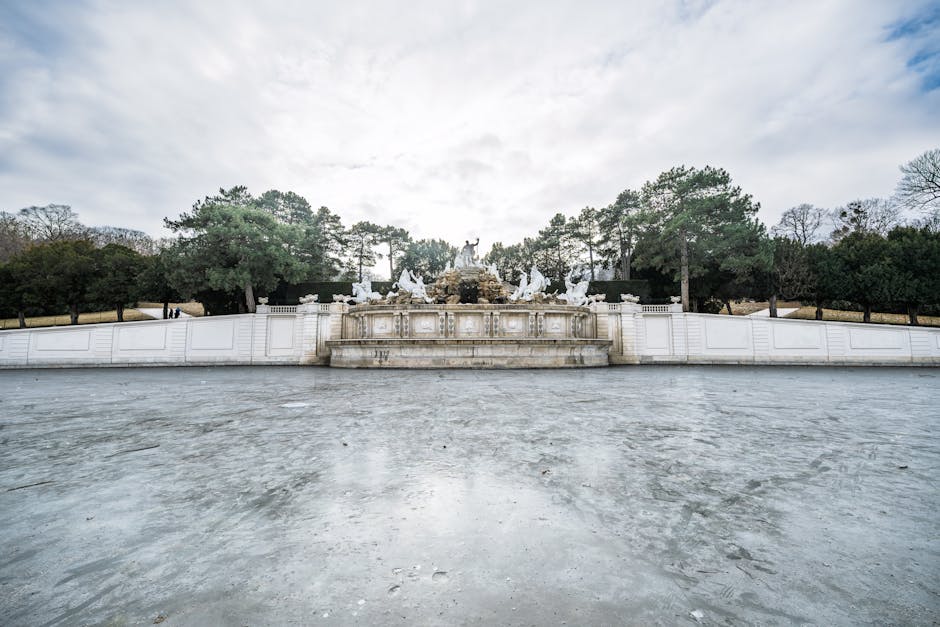
December, January and February make up Vienna’s winter. Expect average temperatures from about -2 °C to 6 °C: December typically around 0 °C to 5 °C, January is the coldest month with -2 °C to 3 °C, and February sees a slight warm-up between -1 °C and 6 °C. Precipitation is moderate, often falling as cold rain or snow: on average 30–50 mm per month, with a higher chance of snow especially in January. Days are short and the city takes on a cosier mood — perfect for Christmas markets, ice skating, and historic cafés.
Recommended winter activities
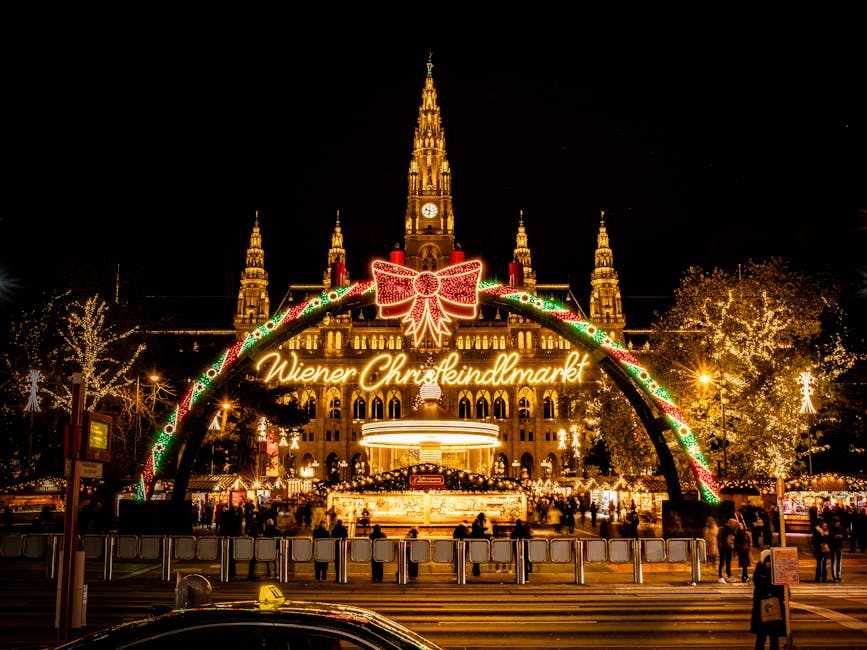
- Christmas markets (Christkindlmarkt): Visit the Wiener Christkindlmarkt on Rathausplatz (Rathausplatz, 1010 Wien). Opening period: late November to late December, typically 10:00–21:00. Prices: hot drinks and snacks €3–8.
- Schönbrunn Palace: Schloss Schönbrunn, Schönbrunner Schloßstraße 47, 1130 Wien. Opening hours: 08:30–17:30 (hours vary in winter). Tickets for the imperial tour roughly €22–30 depending on the circuit (Grand Tour, Classic Pass).
- Ice skating: The rink in front of City Hall (Rathausplatz) or the Wiener Eislaufverein rink (Heumarkt 2, 1030 Wien). Entry €6–12 depending on equipment rental.
Packing tips: favor thermal layers, a windproof and waterproof coat, gloves, a warm hat and a thick scarf. Waterproof shoes with grippy soles are recommended, especially if snow or ice are present. In severe cold, many traditional cafés — for example Café Central, Herrengasse 14, 1010 Wien, open 08:00–24:00 — offer a welcoming break with coffee and pastries (prices €3–8).
Spring (March, April, May) — Transition, Blossoms, and Variable Showers
Spring in Vienna is a transitional time when temperatures climb and nature revives. March is often cool and changeable (averages roughly -1 °C to 10 °C), April brings blooming trees and tulips (averages 5 °C to 15 °C) and May is usually mild and pleasant (averages 10 °C to 20 °C). Rainfall can increase in spring, particularly in April and May, with convective showers: expect about 40–60 mm per month. Wind can be noticeable, especially along the Danube and in exposed neighborhoods.
Recommended spring activities
- Walk in the Prater: Wiener Prater, Prater Hauptallee, 1020 Wien. Free to stroll; rides are paid. The Giant Ferris Wheel (Wiener Riesenrad, Riesenradplatz 1, 1020 Wien) costs about €13.50 per person. Opening hours often 10:00–23:00 depending on the season.
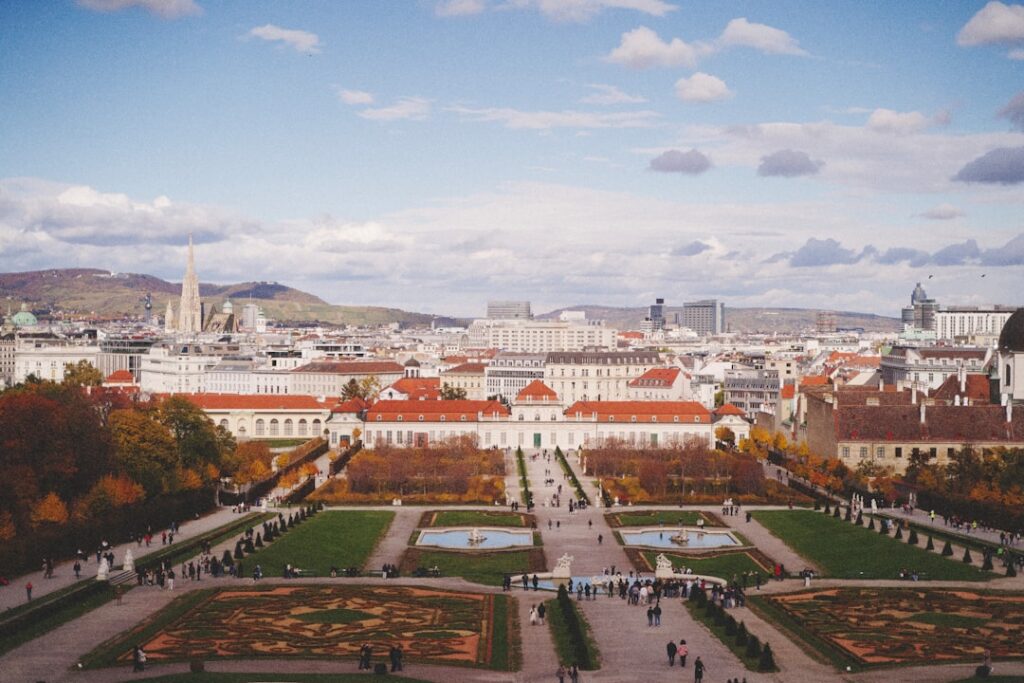
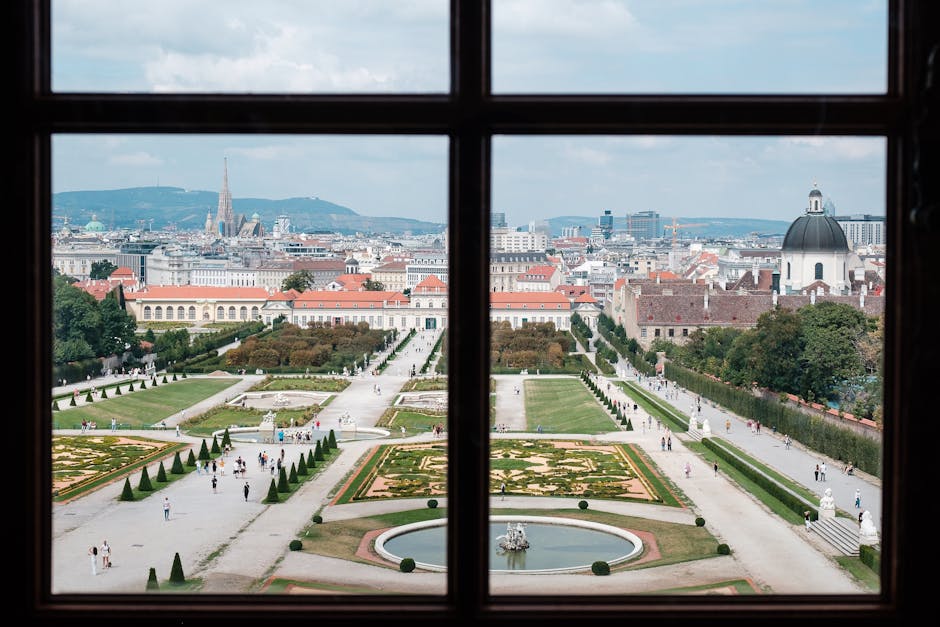
- Belvedere: Österreichisches Belvedere, Prinz-Eugen-Straße 27, 1030 Wien. Opening hours: 10:00–18:00. Museum ticket around €16 (permanent collection); temporary exhibitions add roughly €15–20 depending on the show.
- Naschmarkt: Naschmarkt, 1060 Wien. Food market hours roughly 06:00–19:30; restaurants and bars stay open later. Prices: street food €5–12, restaurants €12–30 depending on the place.
Local tips: spring can bring sudden showers; a compact umbrella (€5–15 in local shops) is handy. Dress in layers: a t-shirt, a light sweater, and a breathable waterproof jacket. Enjoy the parks — the Belvedere gardens or Stadtpark (Stadtpark, Parkring, 1010 Wien) — for flowering walks and photo sessions. Museums are less crowded than in summer, so take advantage of exhibitions at the MuseumsQuartier (Museumsplatz 1, 1070 Wien). Transport: a single Wiener Linien ticket (U-Bahn, tram, bus) costs about €2.60; a 24-hour pass is roughly €8 for unlimited travel.
Summer (June, July, August) — Heat, Thunderstorms, and Terrace Life
Summer months in Vienna bring warm — sometimes hot — temperatures, especially in July and August. Daily averages range from about 18 °C to 30 °C: June 17–25 °C, July 19–29 °C (heat peaks can exceed 30 °C), August 18–28 °C. Rainfall often comes as summer thunderstorms, localized but sometimes intense: 50–80 mm in stormy months, with many sunny days broken by occasional downpours. Summer is high tourist season: book accommodation and opera or concert tickets in advance.
Recommended summer activities
- Outdoor concerts and festivals: Wiener Festwochen (dates vary, often May–June) and summer park festivals. Ticket prices vary widely €10–80.
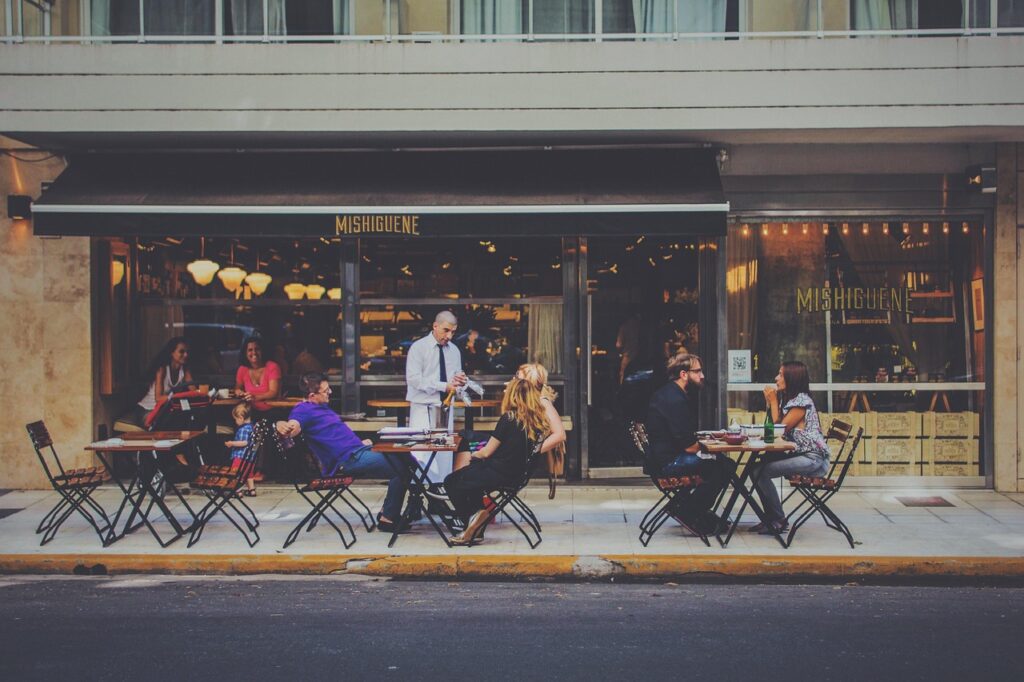
- Terraces and cafés: Dine at the Naschmarkt or at a heuriger (a traditional wine tavern on the city outskirts) — for example, the heurigers in Grinzing (Grinzing, 1190 Wien): meals €15–35.
- Museums to cool off: Kunsthistorisches Museum, Maria-Theresien-Platz, 1010 Wien. Opening hours: 10:00–18:00. Entry €16–18.
Practical advice: during heatwaves, stay hydrated, avoid long outings between 13:00 and 16:00, and seek shade in parks or air-conditioned malls and museums. Bring a hat, sunglasses and sunscreen (SPF 30+). For storms, carry a lightweight waterproof jacket and check local forecasts (ZAMG — Zentralanstalt für Meteorologie und Geodynamik). The Wiener Linien network runs efficiently: a 24-hour ticket is often the best value if you plan several trips in a day.
Autumn (September, October, November) — Mild Days, Colorful Foliage, and Cool Rains
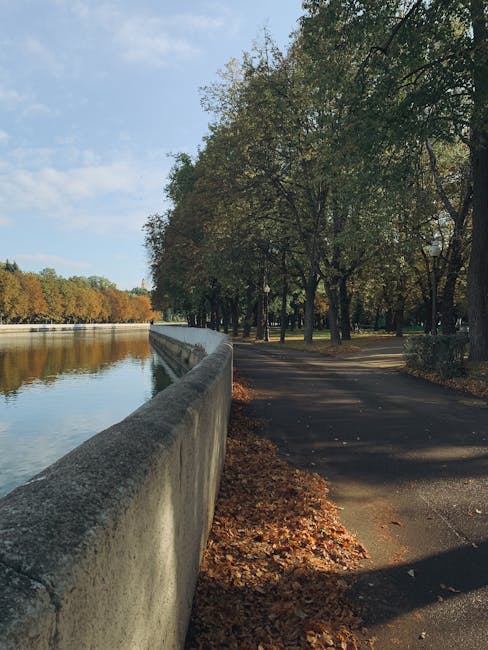
Autumn is a particularly pleasant season in Vienna: mild in September (around 12–22 °C), cooler in October (7–15 °C) and noticeably chillier in November (2–8 °C). Precipitation gradually increases, with October and November potentially wet: 40–70 mm per month. Leaves turn colors, creating striking scenes along the Danube, in Stadtpark and the Belvedere gardens. Days shorten, but the atmosphere is perfect for city walks, photography and museum visits without the summer crowds.
Recommended autumn activities
- Colorful walks: Stadtpark (Parkring, 1010 Wien) and the tree-lined paths of Schlosspark Schönbrunn to admire autumn foliage. Free access; hours generally from dawn to dusk.
- Cultural visits: The Staatsoper (Wiener Staatsoper, Opernring 2, 1010 Wien) offers tickets from around €10 (standing gallery) up to several hundred euros for boxes. Check the online box office.
- Seasonal cuisine: Try soups, stews and local wines at heurigers or restaurants like Plachutta (Wollzeile 38, 1010 Wien); main dishes €18–35.
Local tips: bring warm layers and a good waterproof jacket; autumn can be rainy and windy, especially along the avenues. Museums and cafés are great refuges during showers: Café Sacher (Philharmoniker Str. 4, 1010 Wien) is a culinary experience, with a Sacher slice costing around €6–8. Make reservations for Friday and Saturday evening dinners. For photographers, autumn light at sunrise and sunset offers exceptional shots, notably from the Upper Belvedere overlooking the gardens.
Practical Monthly Tips & Local Resources
To plan your trip precisely, here are month-by-month practical pointers and local resources to check regularly:
- Check local forecasts: ZAMG (Zentralanstalt für Meteorologie und Geodynamik) provides reliable weather bulletins for Vienna and Austria. The site is multilingual and often updated several times a day.
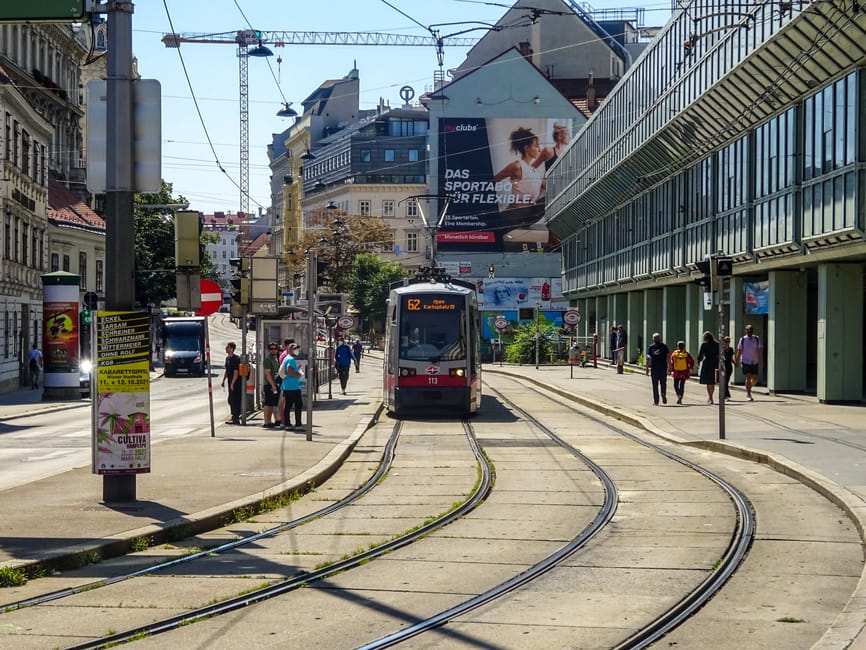
- Transport: Wiener Linien offers convenient public transport options: single ticket €2.60, 24h €8.00, 48h €14.10 (indicative fares). Main stations: Wien Hauptbahnhof (Südtiroler Platz 1, 1100 Wien) and Wien Mitte (Landstraßer Hauptstraße 1A, 1030 Wien).
- Health and comfort: Pharmacies (Apotheke) with 24-hour service are available around Hauptbahnhof and in the city center. In an emergency call 144; police 133. Bring basic cold remedies and blister plasters if you plan to walk a lot.
- Shops and gear: For umbrellas, boots and waterproof jackets, head to Mariahilfer Straße (Mariahilfer Straße, 1060 Wien) — major chains and specialist stores. Prices vary: umbrella €10–30, boots €40–120.
Finally, remember the natural variability of the climate: monthly averages give a general idea, but exceptional events (summer heatwaves, winter cold snaps) can happen. Allow flexibility in your plans and book essentials (accommodation, concerts, guided tours) in advance if you travel during high season.
Conclusion — Plan by Season: Final Recommendations
Vienna delivers a rich experience year-round, but the city feels very different depending on the season. This month-by-month weather calendar helps you pick the best time for your interests: December–February for a Christmas atmosphere, March–May for spring blooms and urban renewal, June–August for terrace life and summer festivals, and September–November for autumn colors and a more relaxed pace. The provided data — average temperatures and precipitation, plus packing tips — are designed to make your preparation easier and more practical.
In short: pack layers for spring and autumn, full cold-weather protection for winter, and light clothes plus sun and rain protection for summer. Book high-demand experiences (opera, tours of Schloss Schönbrunn and the Belvedere, top restaurants) ahead of time. Use the Wiener Linien network to get around efficiently — it’s affordable and reliable. And enjoy Vienna’s cultural wealth: an afternoon at the Kunsthistorisches Museum (Maria-Theresien-Platz, 1010 Wien) keeps you dry during a shower, while an evening on a Naschmarkt terrace or an outdoor concert makes for unforgettable summer memories.
Whether you’re planning a romantic December weekend, a spring photo trip, summer nights full of music, or a peaceful autumn stay, Vienna adapts and reveals itself in a thousand ways. Keep this guide handy to check typical month-by-month temperatures, assess precipitation risk and shape your days around the weather. Have a great trip and enjoy Vienna in every season!