






Introduction — Medical emergencies in Vienna: an essential guide for travelers
Vienna is known for its high quality of life, world-class museums, music scene and excellent food. Still, medical incidents can happen anywhere: a sprained ankle while walking the city, a food allergy, a sudden need for medication or an acute illness. This practical guide, written with travelers in mind, aims to give clear, actionable information you can use immediately if you face a medical emergency in Vienna. You’ll find emergency contacts, hospital and clinic details, night pharmacy info, likely costs, opening hours, and useful tips to simplify care and cut down on stressful admin when you’re sick abroad.
First off, know that Austria (like neighboring Germany) has a modern, responsive healthcare system. In Vienna, public hospitals run emergency departments (Notaufnahme / Notfallambulanz) 24/7, and most urgent calls go through 144 (Rettungsdienst). The European emergency number 112 also works and will route you to the right service. Language can be a barrier: many healthcare staff speak English, though fewer speak French. It helps to have key phrases in German or a written summary of your medical history in French/English/German. This guide also covers travel insurance tips, handling prescriptions, symptom translation and local tricks—like finding a night “Apotheke” (Nachtapotheke) or navigating Vienna’s emergency care network.
We’ll also cover financial aspects: how much a private ambulance or an ER visit might cost without insurance, typical charges for urgent care clinics, common test prices (x‑rays, blood work) and how to claim through your insurer. This guide is meant to help you anticipate, orient yourself and act fast—because being prepared lowers stress and improves outcomes when you’re far from home.
Emergency numbers, first steps and how local services are organized (250+ words)
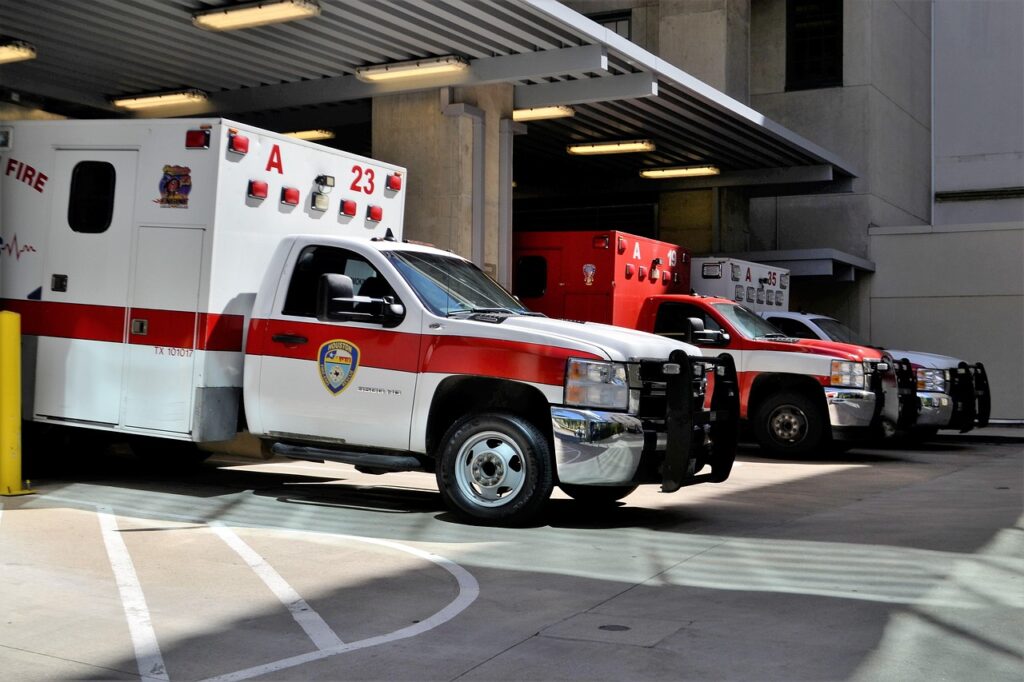
In a life‑threatening emergency in Vienna, call these numbers immediately: 144 for ambulance services (Rettungsdienst), 133 for police (Polizei) and 122 for fire brigade (Feuerwehr). The European emergency number 112 is also active and will connect you to the appropriate service. When you call, clearly state: your location (street name and number), the nature of the emergency, how many people are involved and the language you speak. If you only speak French, ask « Parlez‑vous français/anglais? »—many dispatch centers have English‑speaking operators, but French speakers are less common.
First steps we recommend: stay calm, secure the scene, provide first aid if you’re trained, and note the time of the incident. If the situation isn’t immediately life‑threatening (moderate pain, a sprain, fever), head to a walk‑in emergency clinic (Notfallambulanz) or call the medical advice line at 1450 (Austrian medical information number) for guidance and directions. The 1450 line can point you to the nearest open facility for non‑critical but necessary consultations.
Practical admin tips: always carry a copy of your passport, your health insurance card (European Health Insurance Card if you’re an EU citizen) and your private insurer’s contact info. Note any allergies, regular medications and chronic conditions. If you have to get to the hospital on your own, prefer a taxi over public transport if your condition is unstable—taxis are available on the street or via apps (Wiener Taxi, mytaxi/Free Now). Also keep a local contact (hotel host, tour guide) who can help with logistics and translation.

Recommended hospitals and emergency centers — addresses, hours and services (250+ words)
Vienna has several well‑established hospitals with 24/7 emergency departments. Here are the main places international travelers should know:
- Allgemeines Krankenhaus der Stadt Wien (AKH Wien) – Universitätskliniken
Address: Währinger Gürtel 18-20, 1090 Wien. Service: Notaufnahme (Emergency Department) open 24/7. Hours: 24 hours a day, 7 days a week. Services: general emergency medicine, trauma care, imaging (x‑ray, CT), intensive care. Indicative costs: an ER visit can start around €150–€300 for uninsured patients, with extra tests (x‑ray €60–€150, CT €200–€700) depending on complexity. - Krankenhaus Rudolfstiftung
Address: Laxenburger Straße 1, 1100 Wien. Service: Notaufnahme, 24/7. Hours: 24 hours a day. Services: general emergency care, surgery, pediatrics. Indicative costs: initial consultation €120–€250 without insurance; lab tests and imaging are additional. - SMZ Ost – Donauspital
Address: Langobardenstraße 122/124, 1220 Wien (SMZ Ost – Standort Donauspital). Service: Notfallambulanz open 24/7. Hours: 24 hours a day. Specialties: major trauma care, maternity services (when needed) and other specialized departments.
These hospitals are used to seeing international patients; however, interpreters for French are not always available. Many institutions offer international patient services or English‑language assistance. If your case is non‑urgent and you prefer a private consultation with shorter wait times and English‑speaking staff, look for a private practice (Ordination); prices typically range from €60 to €150 per visit.
Pharmacies, outpatient care and after‑hours options — addresses, opening hours, costs (250+ words)
Pharmacies (Apotheke) are central for travelers: they sell over‑the‑counter meds, provide advice and in some cases can contact a doctor. Major city pharmacies operate rotating on‑call services (Nachtapotheke) with changing hours. Practical examples:
- Nacht‑Apotheke Innere Stadt (on‑call pharmacy)
Address: rota changes — check via 1450 or the city information number; the nearest on‑call pharmacy is posted on the doors of large pharmacies (1st district). Costs: OTC meds €3–€20; specific remedies or antibiotics (prescription required) vary in price. - Apotheke beim AKH (Pharmacy near AKH Wien)
Address: Währinger Gürtel 18, 1090 Wien (near the main entrance). Hours: often open 24/7 in connection with the hospital. Services: fills hospital prescriptions, offers pharmaceutical advice.
If you need a non‑urgent doctor outside regular hours, call the medical on‑call line 1450. Walk‑in clinic consultations (non‑vital Notfallambulanz) typically cost between €60 and €150, depending on tests and prescriptions. For teleconsultations in English or French, several private services exist—prices range from €20 to €60 depending on length and specialty.
Local tips: keep a small first‑aid kit (bandages, disinfectant, plasters, pain relievers like ibuprofen/paracetamol) and a paper copy of your prescriptions. Austrian pharmacies are well stocked, but some specialty medicines may require a European or local prescription.

Insurance, costs and money‑saving tips if hospitalized (250+ words)
Getting the right travel insurance is one of the best ways to avoid unexpected bills. If you’re an EU citizen, the European Health Insurance Card (EHIC) helps cover necessary care but doesn’t replace private insurance for repatriation or supplemental coverage. Non‑EU travelers should have international travel insurance that includes medical, hospital and repatriation coverage. Costs can add up fast: a multi‑day hospital stay, tests and surgery can run into thousands of euros without coverage.
Estimated costs (approximate):
- Ambulance (medical transport): €150–€600, depending on distance and interventions. Costs may be higher for specialized personnel or inter‑hospital transfers.
- Emergency consultation (no admission): €120–€400 depending on tests.
- Simple x‑ray: €50–€150; CT scan: €200–€700; MRI: €300–€900.
- Hospital stay: €400–€1,500 per night in a public hospital for an uninsured patient, more in private clinics.
Practical tips: contact your insurer immediately to report the claim—many require prior authorization for transfers or repatriation. Keep all receipts and medical reports. If you pay out‑of‑pocket, ask for detailed invoices in English (invoice) to speed up reimbursement. For minor emergencies, a private clinic may save waiting time but often costs more; weigh that against your medical condition and coverage.
Practical tips, useful phrases and pre‑departure preparation (250+ words)
Good preparation prevents a lot of stress while traveling. Here’s a checklist and useful phrases in German and English to help with medical communication:
- Documents to carry: photocopy of your passport, European Health Insurance Card (if applicable), private insurance policy number, list of medications and allergies written in German/English.
- Minimal kit: plasters, antiseptic, paracetamol (500 mg), ibuprofen (200–400 mg), oral antihistamine (for allergies), anti‑diarrheal (loperamide), thermometer.
- Useful phrases (German / English): « Ich habe starke Schmerzen » / « I have severe pain »; « Ich bin allergisch gegen… » / « I am allergic to… »; « Können Sie Englisch/Français sprechen? » / « Can you speak English/French? »
- If you have a food allergy at a restaurant, show an allergy card in German: « Ich habe eine schwere Allergie gegen [nuts/seafood/dairy] » or use translation apps to quickly show the staff.
Other local tips: Vienna has an excellent public transport network and reliable taxis (Wiener Taxi, central tel. 01/40100 or apps). For a minor issue at night, look for the on‑call pharmacy posted on the door of major city pharmacies. Also save your accommodation address in both German and English to give to emergency services—this noticeably speeds up ambulance arrival if you need one.

Conclusion — Stay calm and well prepared in Vienna
Traveling in Vienna is generally safe and healthcare standards are high, but good preparation is key to handling a medical emergency efficiently. This guide covered essential emergency numbers (144, 112, 133, 122), main hospitals with 24/7 emergency services (Allgemeines Krankenhaus der Stadt Wien – AKH, Krankenhaus Rudolfstiftung, SMZ Ost – Donauspital), advice on on‑call pharmacies, approximate costs and insurance steps. Always keep copies of your medical documents, your insurance card and insurer contacts; learn a few key phrases to communicate quickly if needed.
In short, if an emergency happens: assess severity, call 144 for life‑threatening situations or 1450 for medical guidance in non‑vital cases; go to a 24/7 emergency department if required; keep all receipts and medical reports for insurance; and if possible, have someone who can help with language and paperwork accompany you. Prevention is your best ally—bring a first‑aid kit, copies of prescriptions and know the local numbers to reduce stress and improve care. Enjoy your trip to Vienna—and take care of your health so you can make the most of this beautiful city.